
Last updated November 21, 2026
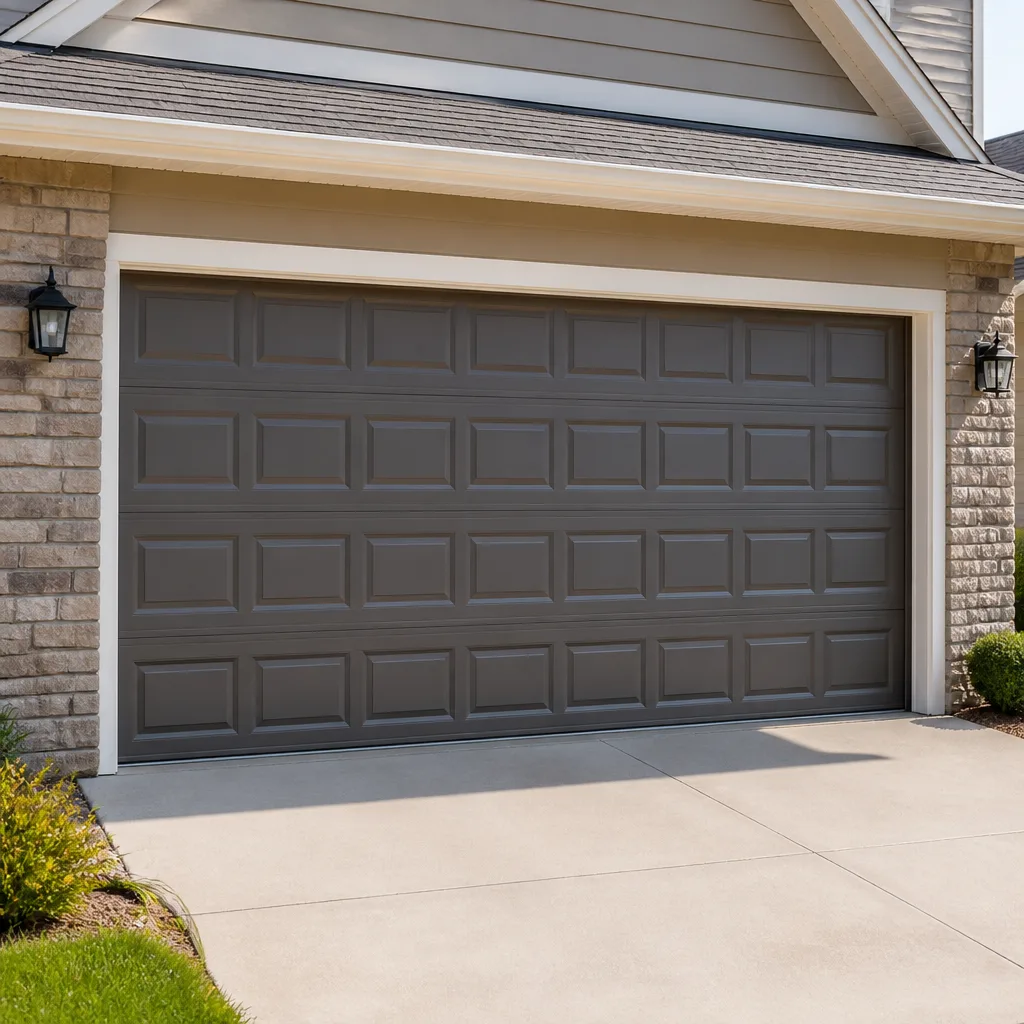 Raised-panel steel
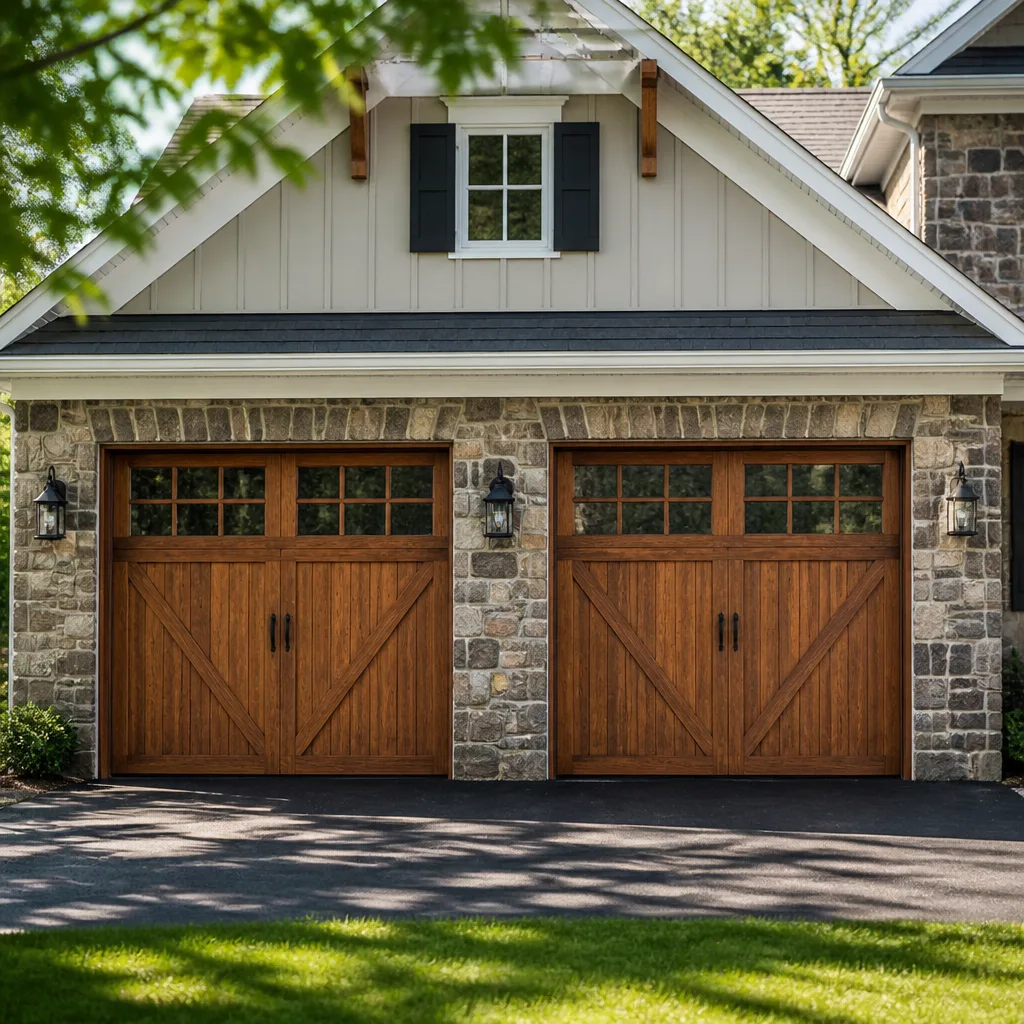 Carriage house
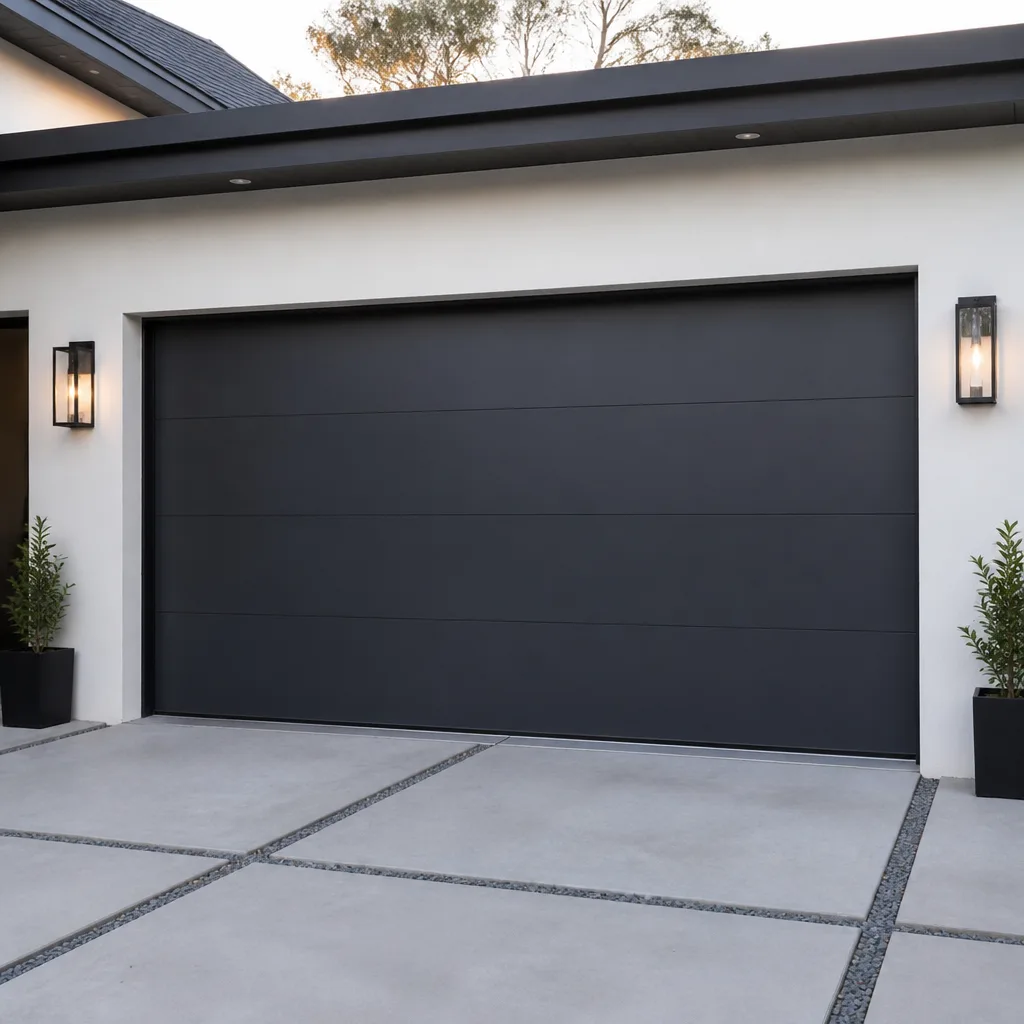 Modern flush
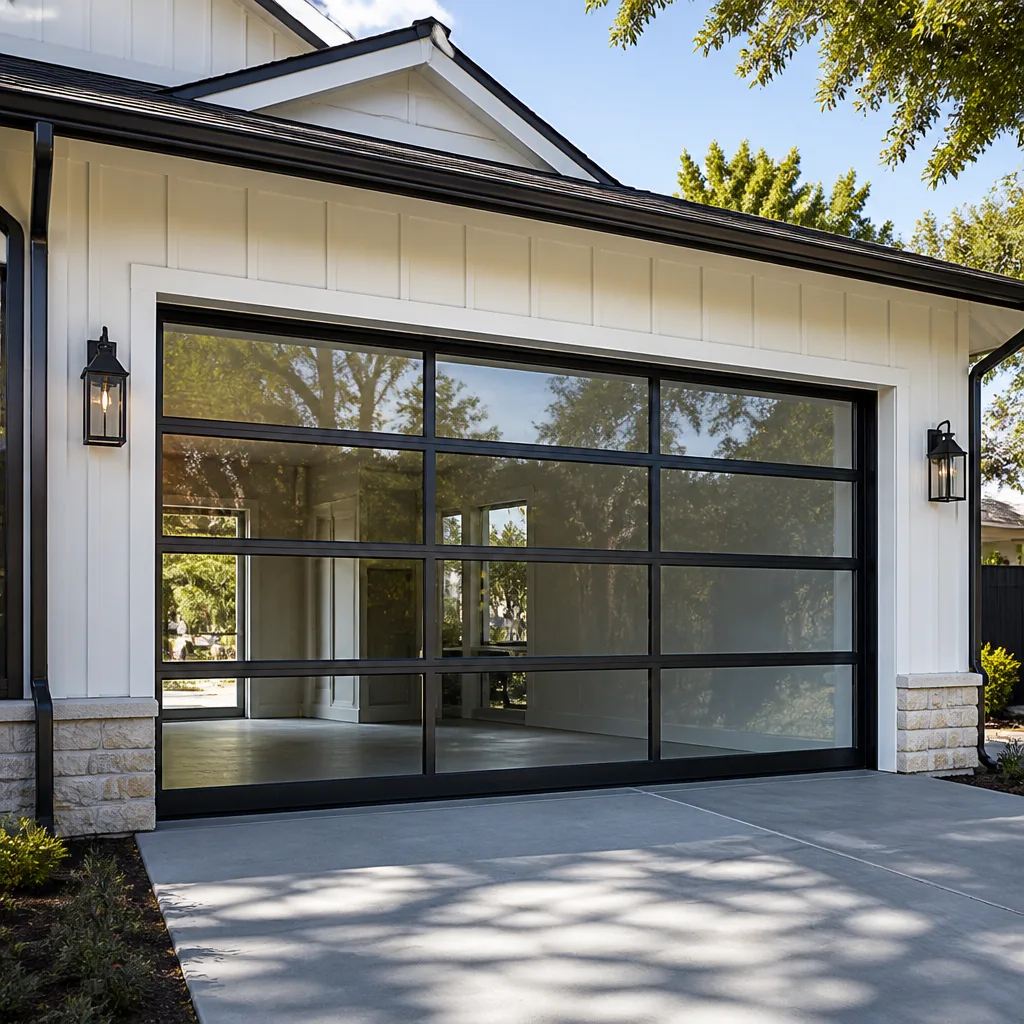 Full-view glass
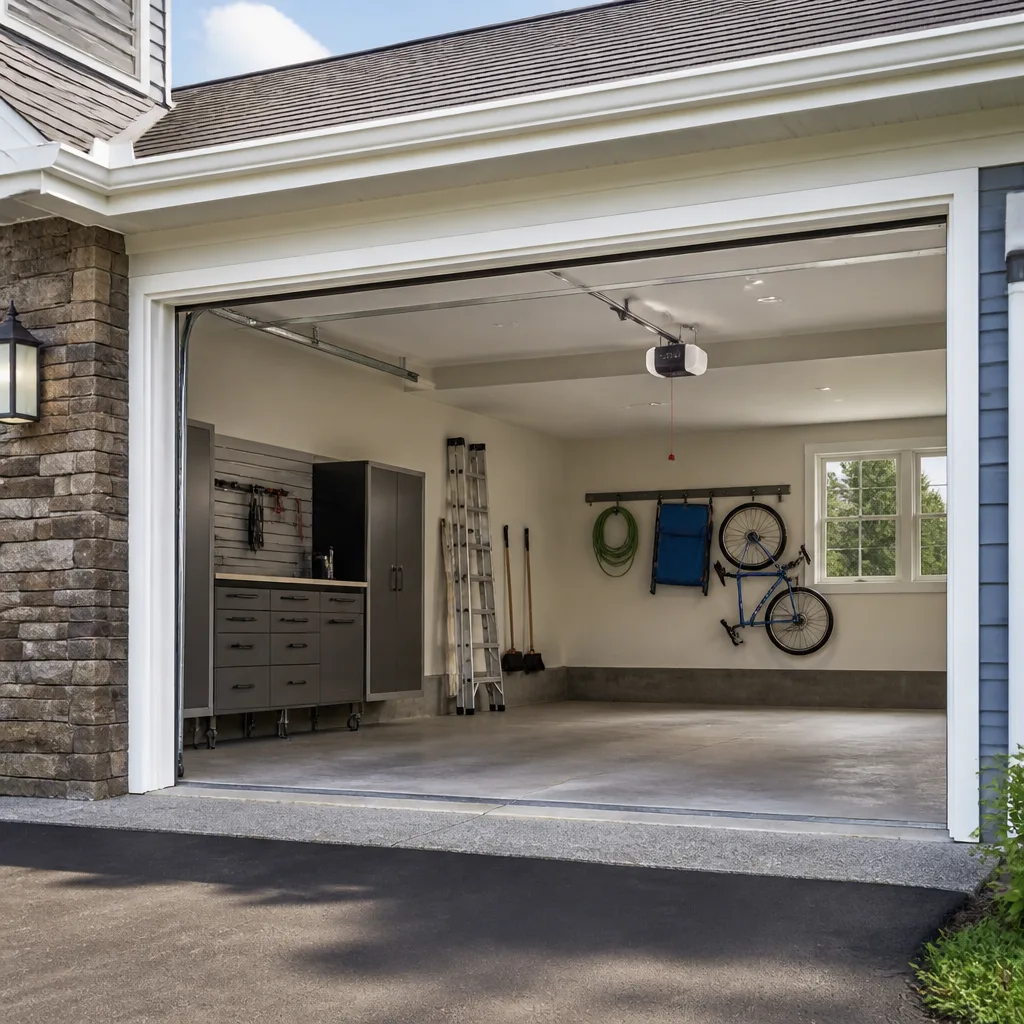 LiftMaster openers
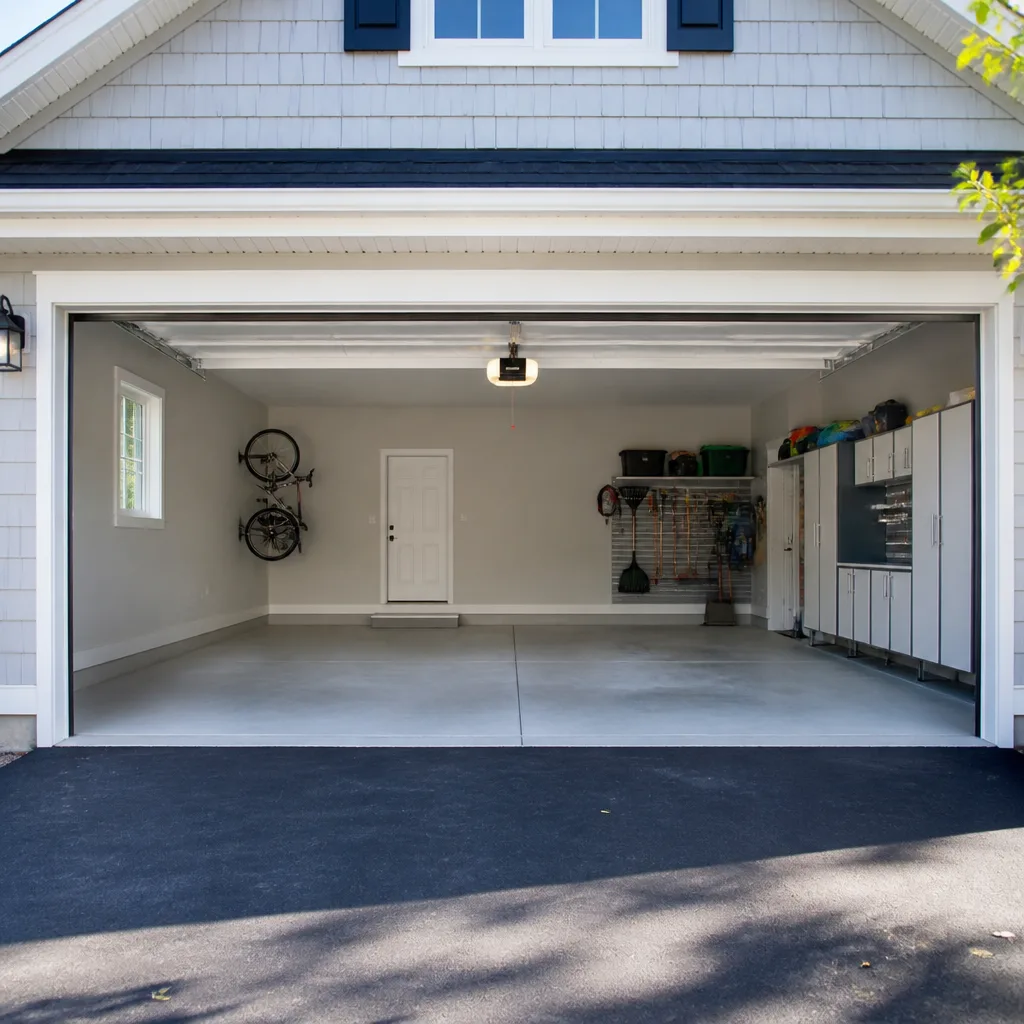 Chamberlain openers
Full 25-point door and opener safety check with every visit - springs, cables, rollers, tracks, and your LiftMaster or Chamberlain opener included
You get a price before we start. It does not change when the pro arrives.
Get your free estimateSeasonal Garage Door Care for Mount Washington: Year-Round Homeowner’s Guide
Most homeowners think a garage door breaks because something wore out. It usually breaks because something was ignored at the wrong time of year. A torsion spring doesn’t fail in July because July is hard on springs; it fails in January because fall’s temperature swings quietly worked the metal loose, and the first hard freeze finished the job. The same logic runs through every season here in Mount Washington, where summer humidity swells wood panels and winter cold stiffens every moving part. This guide walks through a full year of care, tied to the actual weather calendar rather than a generic checklist, so you’re replacing a worn seal in October instead of paying for a snapped spring in February.
Quick Answer
The short version: lubricate springs, rollers and hinges before the first freeze, check and adjust your opener’s down-force limit as cold weather stiffens the door, inspect bottom seals after every freeze-thaw cycle, watch wood panels for humidity swelling in summer, and keep the area in front of the safety sensors clear all year. A door that gets these checks at the right points in Mount Washington’s weather calendar usually fails on a schedule you can see coming, not on a random morning when you’re already late for work.
Styles & brands we work with
- Raised-panel steel
- Carriage house
- Modern flush
- Full-view glass
- LiftMaster openers
- Chamberlain openers
Table of Contents
- Fall Prep: Lubricating Before the First Freeze
- Winter: Why Doors Bind in Cold Weather
- Spring: Inspecting Bottom Seals After Freeze-Thaw
- Summer: Humidity, Wood Panels and Track Alignment
- Year-Round Sensor and Alley Clearance Care
- A Month-by-Month Maintenance Calendar
- Common Mistakes to Avoid
- When to Call a Professional
Fall Prep: Lubricating Before the First Freeze
Fall is the single most valuable maintenance window on the Mount Washington calendar, and it’s the one most homeowners skip. Once temperatures drop, metal contracts, grease thickens, and every moving part in the door system has to work harder for the same result. A door that ran cleanly in September can feel heavy and jerky by December, and that added strain is what shortens spring life. The fix is simple: get lubrication done before the cold arrives, not after the door starts complaining.
Here’s what a proper fall lubrication pass involves:
- Clear and inspect first. Wipe each roller, hinge and spring coil with a dry cloth to remove grit and old grease buildup. Fresh lubricant over grit just grinds it deeper into the bearing surfaces.
- Use the right product. A white lithium grease or a silicone-based lubricant rated for low temperatures is what you want going into winter. Standard household oil and generic WD-40 are too thin for cold-weather duty; they attract dust and thin out further in the cold instead of staying put.
- Hit the springs. Torsion springs and their coils need a light coat. Spray lightly and let it settle into the coils rather than soaking the assembly.
- Lubricate rollers and hinges. Every hinge knuckle and roller bearing gets a small amount. Nylon rollers need less than steel rollers, but neither should run dry through a Maryland winter.
- Lubricate the tracks sparingly. A thin film along the inside of the track is enough. Too much grease in the tracks collects debris and works against you.
- Test the balance. Disconnect the opener and lift the door halfway by hand. A balanced door should stay put. If it drifts down, the spring tension is off and needs professional attention before the cold makes it worse.
One safety note that matters more than any lubrication tip: garage door springs are under extreme tension and can cause serious injury if handled wrong. This is not a DIY repair. Lubricating visible spring coils from a distance is fine; adjusting tension, replacing a spring or trying to tighten anything connected to the torsion bar is work for a trained technician.
If you’re not sure whether your door is ready for winter, a free estimate from a technician who knows your brand is a cheap way to find out. Our technicians have up to 14 years of experience with systems from LiftMaster, Chamberlain, Genie and Clopay, among others, and fall is when we get the most requests for pre-winter checks. If your door uses older hardware, a garage door repair visit in the fall often catches small issues before they become January emergencies.
Winter: Why Doors Bind in Cold Weather
When a garage door feels stiff or stops reversing cleanly in January, the cause is usually cold-weather physics rather than a broken part. Metal tracks contract in cold weather. Grease thickens. The door itself gets slightly heavier as every component stiffens up. The opener, which was tuned for mild-weather operation, is now working against all of that and can trip its safety reverse more aggressively than usual. Homeowners often assume the opener is failing when it’s actually just being asked to move a door that needs adjustment.
What actually happens as the temperature drops:
- Tracks contract. Cold metal shrinks slightly, and the rollers run tighter in the track. This is why doors that worked fine in October start scraping or binding in December.
- Lubricant stiffens. Grease that was fine at 60°F gets thick and tacky below freezing. This is exactly why fall lubrication matters.
- Springs lose some tension. Torsion springs were calibrated at a warmer temperature. In the cold they lift the door slightly less effectively, which puts more strain on the opener.
- Weatherstripping hardens. Bottom seals become brittle and can freeze to the floor, so the door pulls harder on its first lift of the morning.
Adjusting the opener’s down-force limit without disabling safety
Your opener has two force settings: one for lifting the door and one for closing it. In cold weather, the closing force sometimes needs a small increase so the door reaches the floor without reversing prematurely. Here’s how to handle this carefully:
- Locate the force adjustment screws. On most openers, including LiftMaster and Chamberlain units, these are on the back or side of the motor housing, marked “up force” and “down force.”
- Make a tiny adjustment. Turn the down-force screw only a quarter turn at a time. Test the door after each adjustment.
- Never disable the safety reverse. The auto-reverse feature is what stops the door if something is in the way. Reduce force only to where the door closes reliably, then re-test the auto-reverse by placing a 2×4 flat on the ground under the door and confirming it reverses on contact.
- Treat this as a temporary fix. If the door needs force adjustment every winter, the underlying issue is balance, track alignment or worn rollers. A technician should look at it rather than you continuing to nudge the limits.
Winter is also when opener problems surface. If your Genie or Chamberlain unit is flashing error codes or acting erratic, garage door opener repair is the right call. We usually diagnose and resolve most opener issues in a single visit, which is a real advantage when a cold door won’t lift and you need it working today. And if a door fails outright, emergency service is available for stuck doors, broken springs and any failure that traps a vehicle or leaves the house unsecured. We answer 24/7, with fast dispatch from 7am to 7pm, Sunday through Friday.
Spring: Inspecting Bottom Seals After Freeze-Thaw Cycles
By the time March and April arrive, your bottom seal has been through a full winter of freeze-thaw cycles, and this is where most weatherstripping damage shows up. Water seeps into small cracks in the rubber, freezes overnight, expands, and opens the crack wider. It repeats the cycle for weeks. By spring the seal that looked fine in December is curling at the edges, cracked through the middle, or sitting unevenly so the door doesn’t close flat against the ground. That gap isn’t just a draft issue; it’s how water gets in under the door during spring rain and how small animals and debris find their way into the garage.
What to check on the bottom seal in spring:
- Cracks and splits. Run your hand along the seal gently. Any brittle feeling or visible cracks means replacement is coming up.
- Curls at the corners. Fasteners and end caps can pull free as the seal contracts and expands. A curling corner is a sign the whole strip is near the end of its life.
- Gaps against the floor. Close the door and look from outside with a flashlight. Any light visible under the door means the seal is no longer making contact.
- Compression set. Over years of compression against the floor, the rubber flattens. When the profile is no longer thick enough to fill the gap, the seal needs replacing even if it isn’t cracked.
Replacing a bottom seal is one of the easier garage door maintenance tasks and one of the most effective for keeping rain out. But if your door has a wood bottom section or the seal is integrated into the panel itself, replacement can get more involved and often needs a technician. A door with a worn seal also puts extra strain on the opener, since the door pulls against the freezing seal on every cycle.
Spring is also the right time for a full inspection of springs, cables and rollers, since winter has just spent three months working on them. Torsion springs in particular have a finite number of cycles, and if a technician can see the wear patterns in April, they can often replace a failing spring on a scheduled visit rather than at 7 AM on the coldest morning of the next winter. That’s the entire point of seasonal care: moving repairs from emergency calls to planned appointments.
If your seals and springs are due for attention, or you’d rather have a professional walk the door with you once a year, a service call in Mount Washington takes care of the whole system in one visit. Call (855) 525-7051 for a free estimate.
Summer: Humidity, Wood Panels and Track Alignment
Mount Washington summers are humid, and humidity is quietly one of the more damaging conditions for a custom wood garage door. Wood absorbs moisture from the air, swells, and pushes against the frame, the panels and the tracks. Some of the movement is invisible; what you notice as a homeowner is a door that starts scraping on one side, or a panel that looks like it’s shifted a quarter-inch out of line. Left alone across a full summer, that swelling can warp the panel permanently and put the whole door out of alignment.
What humidity does to a wood door over a summer:
- Panels swell and can bind. Wood panels expand into each other, and the door becomes hard to lift or won’t seat flush when closed.
- Tracks shift out of alignment. If the door has swelled, it can push the horizontal track out of true, which is what causes the door to run rough on one side.
- Paint and finish blister. Wood that takes on moisture under its finish can blister or peel, which then exposes the wood to more moisture next season.
- Hinges loosen under expansion pressure. Swelling wood works against the screws that hold the hinges, and over the summer you may find some backing out.
What you can do about it:
- Keep the door painted or sealed. Check the interior and exterior faces once a summer, especially on south- and west-facing doors that take more sun and heat. A fresh coat before summer is better than a repair after.
- Watch the tracks for alignment drift. If the door is rubbing on one side, don’t just force it. Have the track checked; a professional can adjust it without you guessing at the right alignment.
- Check hinges for loose screws. Tighten slowly and don’t over-tighten, since swollen wood will shrink again in fall and loose screws will tighten themselves if you leave them just snug.
- Lubricate again mid-summer. Heat thins lubricant and drives off some of what you applied in spring. A light mid-summer pass keeps rollers and hinges working smoothly through the hottest stretch.
Modern Clopay steel-backed doors handle humidity better than older wood, but any door with wood framing or wood panels still needs attention in a Mount Washington summer. If you’re not sure whether your door is due for a panel replacement or a full door replacement, a professional assessment is a much better spend than guessing. For doors that are genuinely beyond repair, garage door installation is worth considering before another summer of swelling, but many older doors simply need adjustment rather than replacement.
Year-Round Sensor and Alley Clearance Care
Safety sensors and alley clearance are easy to overlook because they’re invisible until something goes wrong. The sensor pair at the bottom of the tracks is what triggers the door to reverse if a child, pet or object is in the way. A sensor that’s drifted out of alignment, or that’s had a piece of debris pushed in front of it, doesn’t announce itself; it just stops working reliably. And alley-facing doors in Mount Washington collect a lot more debris than doors set back from the street: leaves, twigs, gravel and runoff all pile up in the sensor zone and the door threshold through the year.
A basic year-round check to run once a month:
- Wipe the sensor lenses. Dust, spiderwebs and pollen film on the lens dim the beam. A dry cloth once a month fixes most intermittent sensor issues.
- Verify alignment. The two small lights on the sensor pair should be steady, not blinking. Blinking means the beam is being interrupted or the sensors are out of alignment.
- Test the auto-reverse. With the door open, wave an object through the sensor beam. The door should stop and reverse. If it doesn’t, don’t use the door until it’s fixed.
- Clear the threshold regularly. Sweep or blow out the strip of floor in front of the door every few weeks, especially in fall when leaves collect there. This keeps debris from blocking the beam.
- Position the sensors correctly. They should be about six inches off the ground, aimed at each other, and tight against their brackets. If age has loosened a bracket, a quick re-tightening keeps the alignment steady.
The trick with alley-facing doors is to never disable the safety sensor to “fix” a nuisance reversal. If the door reverses constantly because debris keeps triggering the sensor, the answer is clearing the debris and re-aiming the sensors, not defeating the safety feature. If your sensor assembly has actual damage, we can help. A quick call to (855) 525-7051. We answer 24/7. Fast dispatch from 7am to 7pm, Sunday through Friday.
A Month-by-Month Maintenance Calendar
Here’s the full year laid out as a simple calendar. Print it out, stick it next to the door opener, and use it as a reminder for what actually needs attention in Mount Washington’s climate at each point in the year.
- January: Watch for the door reversing prematurely on cold mornings. If the force adjustment you made in December isn’t holding, schedule a professional balance check.
- February: Clear snow and ice from the door threshold so the bottom seal isn’t sitting in standing water. Check that the door still closes flat against the ground.
- March: Inspect the bottom seal for cracks and curling left by freeze-thaw cycles. If it’s cracked or sitting unevenly, replace it.
- April: Lubricate rollers, hinges and springs again after winter. Clean the tracks thoroughly so spring pollen and grit don’t accumulate.
- May: Test the safety sensor reverse. Check the balance of the door by disconnecting the opener and lifting it halfway.
- June: Check wood panels for swelling or finish issues before summer heat peaks. Retighten hinge screws so summer swelling doesn’t loosen them further.
- July: Mid-summer lubrication pass. Look at track alignment if the door is starting to rub on one side.
- August: Inspect the finish on wood doors again, especially if the door faces west or south and takes the strongest sun.
- September: Pre-fall inspection. Test the balance, check the seals, look for rusted hinges or worn rollers.
- October: Do the full fall lubrication with low-temperature grease. This is the single most valuable maintenance task of the year.
- November: Clear gutters and alley drainage so water doesn’t pool around the door threshold before the first freeze.
- December: Check that the door still runs smoothly on cold mornings. If the force limit needs a small adjustment, do it carefully and re-test the auto-reverse.
Fitting this calendar into a busy household is easier if you schedule just two professional visits a year: a fall pre-winter inspection and a spring post-winter inspection. Those two checkpoints cover the highest-risk transitions and let a technician catch issues you can’t see from the ground.
Common Mistakes to Avoid
- Using standard WD-40 on springs and rollers in fall. It’s too thin for cold-weather duty, attracts dust and evaporates before winter. Use a low-temperature grease or silicone lubricant before the cold sets in.
- Adjusting the down-force limit to compensate for a real problem. If your door needs more force every winter, the actual issue is balance, rollers or tracks. Increasing force without fixing the cause wears out the opener faster.
- Disabling safety sensors to stop nuisance reversals. Alley-facing Mount Washington doors collect debris near the sensor zone, and the fix is cleaning, not disconnecting. A door without working sensors is a real hazard.
- Skipping the spring inspection because the door “still works.” Torsion springs fail after a predictable number of cycles. A professional look in April or October catches a spring that’s about to fail before it fails on a January morning.
- Ignoring wood panel swelling in summer. By the time you notice the door rubbing, the track may already be out of alignment. Check the panels and finish once mid-summer, not just at the end.
- Letting the bottom seal go through a second winter. A cracked seal from March will be a much worse seal by November. Replace it once, at the right time, instead of watching it degrade for another whole year.
- Attempting spring repairs yourself. Springs and torsion bars are the most dangerous components on the whole door system. Lubricating exposed coils is fine; adjusting tension or replacing a spring is not a homeowner job.
When to Call a Professional
Some garage door care is genuinely DIY: lubricating visible rollers, wiping sensor lenses, sweeping the threshold. But a few situations always need a trained technician, no matter how handy you are. A door that’s out of balance, a spring that’s broken or sagging, a torsion bar that’s slipped, a door that won’t stay down or won’t stay up, or a track that’s visibly bent are all professional territory. Springs in particular are under extreme tension, and a mistake there can cause serious injury. If the door is trapping a vehicle or leaving the house unsecured, emergency service exists specifically for that moment. Mount Washington Garage Door Repair offers free estimates in Mount Washington. Call (855) 525-7051.
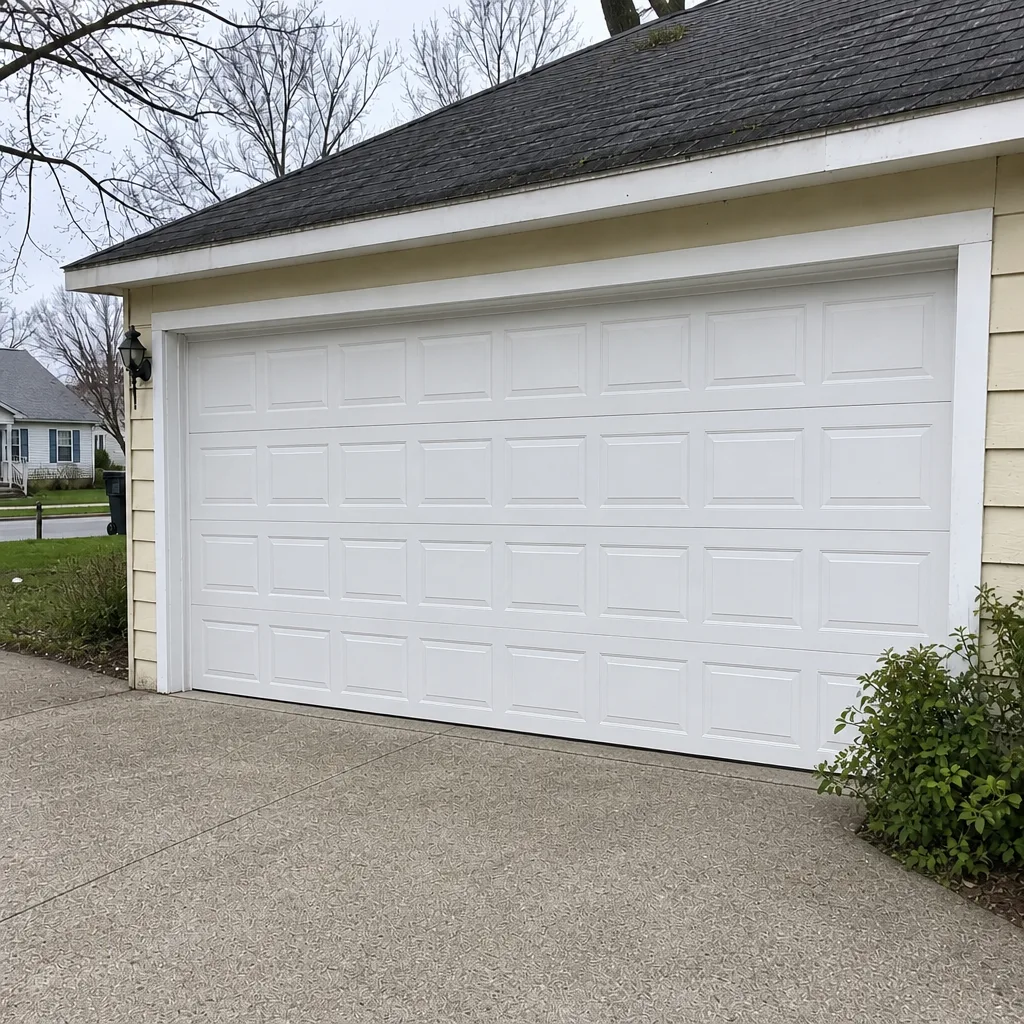
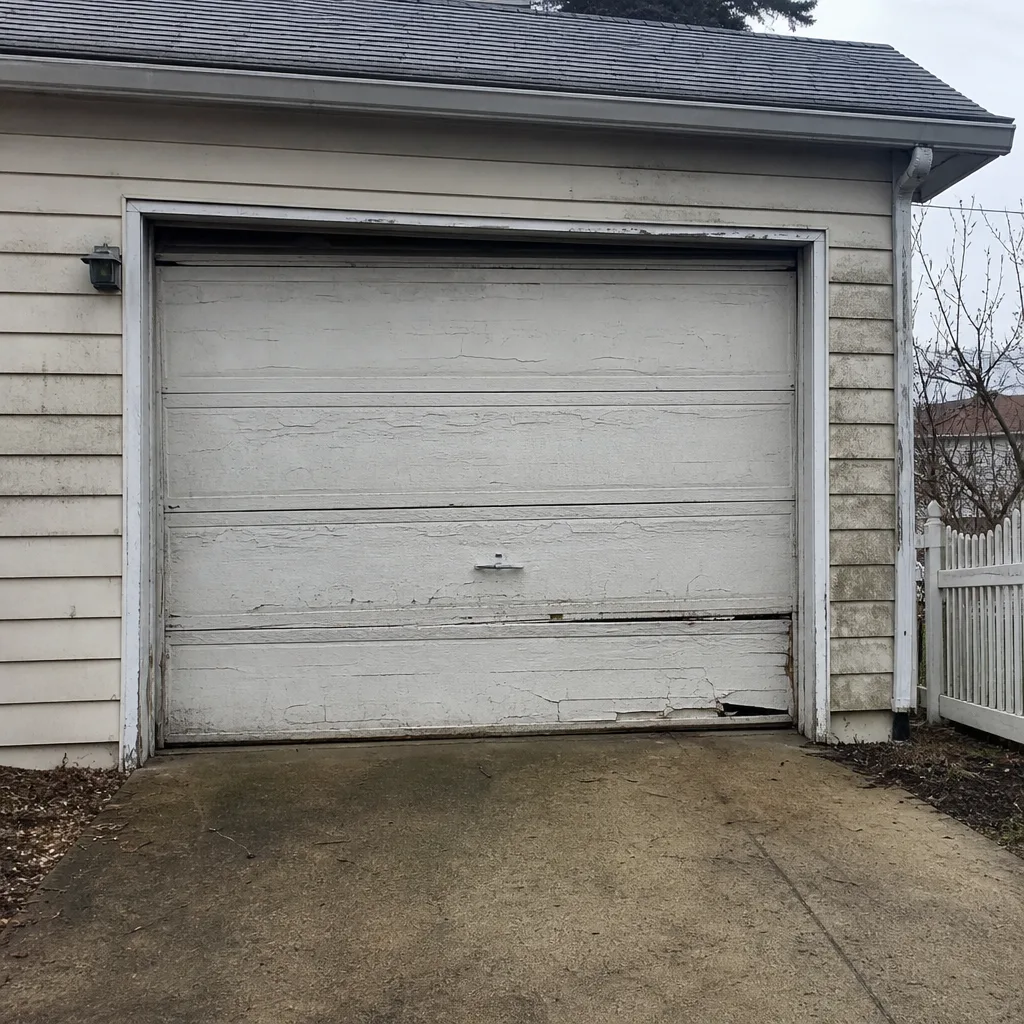
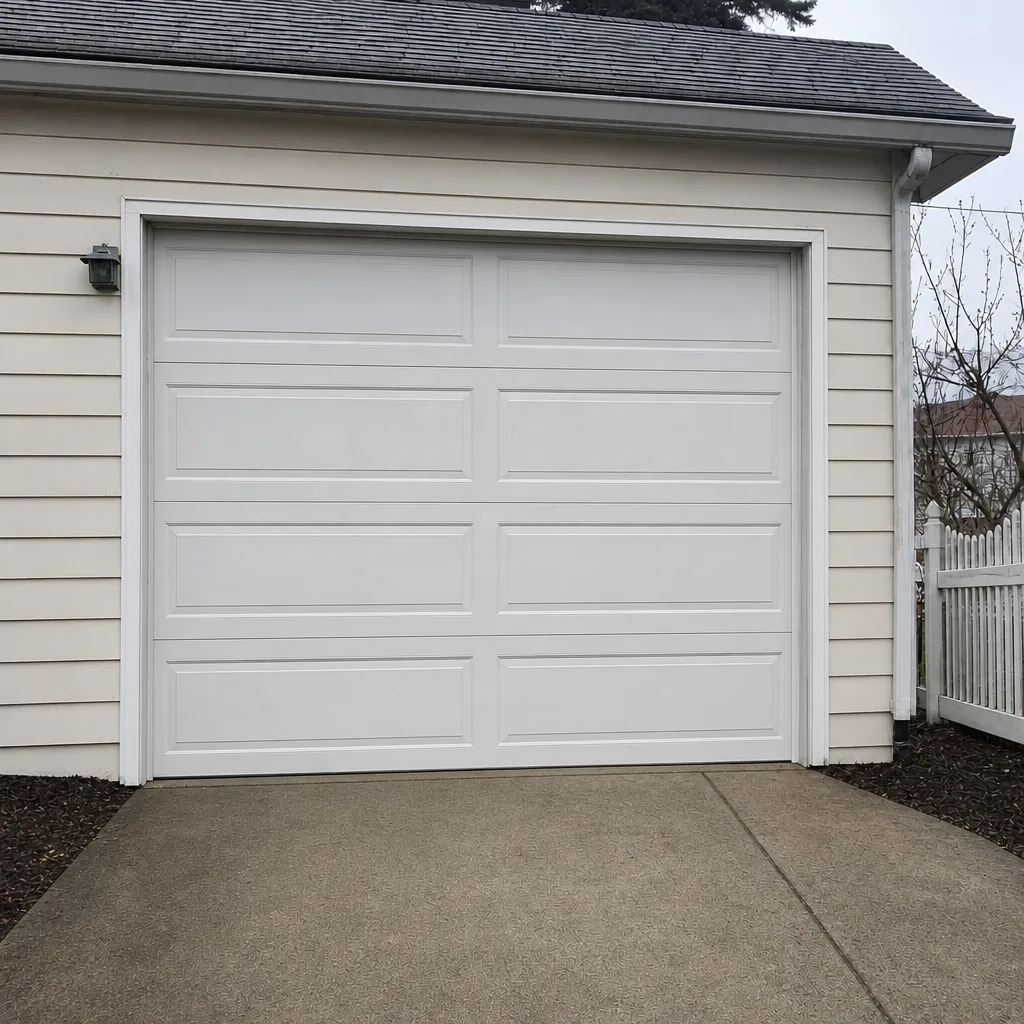
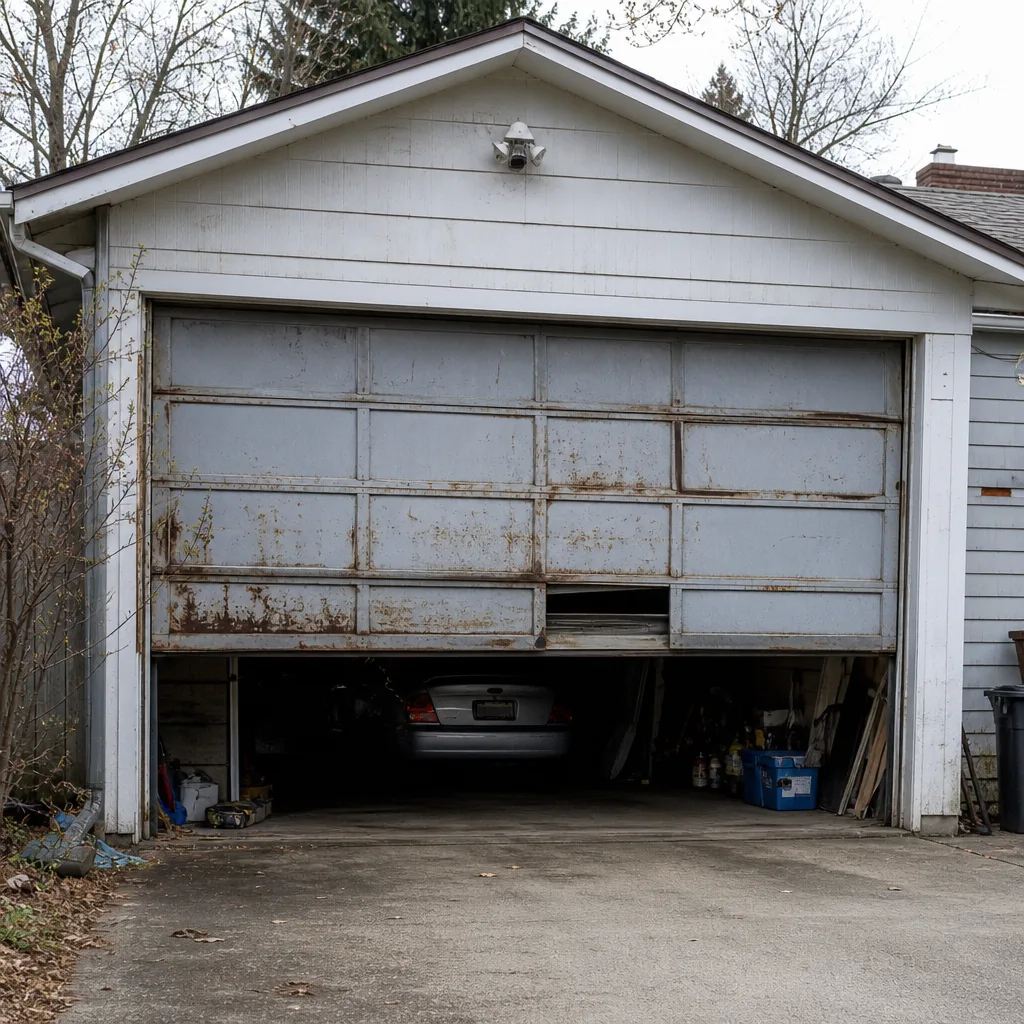
See the difference
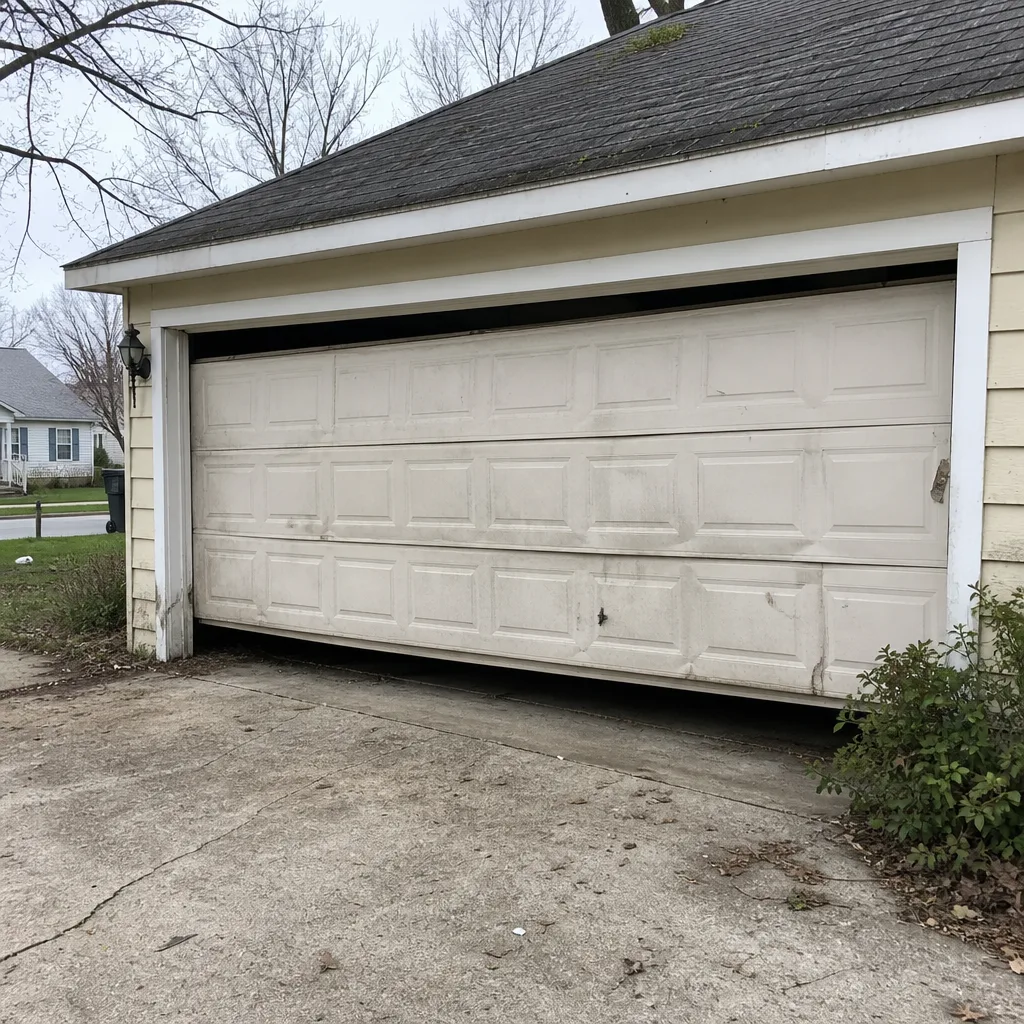 Before
 After
 Before
 After
 Before
 After
Frequently Asked Questions
Twice a year is the working rule here: once in October before the first freeze, and once in early summer when heat has thinned the last application. Mount Washington’s temperature swings are harsher on lubricant than a mild climate, so the two-visit schedule works better than a single annual pass. If you have a busy household and can only do one, do the fall one.
Cold weather causes metal tracks to contract, thickens lubricant and stiffens the weatherstripping, all of which make the door heavier to lift. The binding is usually a symptom of falling temperatures rather than a failing part. If the door needs more force every winter, though, the underlying cause is worth a professional look.
On a standard steel door with a slide-in or nail-on seal, yes. On a wood door or one where the seal is integrated into the panel, it’s easier and safer to have a technician handle it. Either way, replace the seal as soon as cracks or curls appear, before the next set of rainstorms pushes water under the door.
Start by checking the finish for peeling or blistering and repaint if needed. Don’t force the door if it’s binding; that can bend the track. If the door has swelled enough that it’s scraping on one side, a professional can realign the track and assess whether the panel needs repair or replacement.
Yes, late fall is the worst season for sensor interruptions because leaves and debris pile up in the alley-facing sensor zone. Spring is next because melting snow and runoff carry grit into the threshold. Monthly wiping and clearing is the fix; never disable the sensors to stop nuisance reversals.
We connect you with local professionals who are licensed and insured as their state requires. Our technicians have up to 14 years of experience and are factory-familiar with brands including LiftMaster, Chamberlain, Genie, Clopay, Amarr, Wayne Dalton, Craftsman and Raynor. Call (855) 525-7051 for an exact quote. Estimates are free.
The Bottom Line
Seasonal care beats emergency repair every time. In Mount Washington’s climate, that means doing the right task at the right point in the year: fall lubrication before the first freeze, winter attention to force settings and door binding, spring checks on bottom seals and springs, summer attention to humidity and wood panels, and a year-round habit of clearing the sensor zone and testing the auto-reverse. A door that gets these checkpoints doesn’t fail on the coldest morning of January; it fails on a schedule you already saw coming. If you’ve got a door that’s due for one of these seasonal checks, or one that’s already past due, the first step is simple. Call (855) 525-7051 for a free estimate, and we’ll look at the whole system in one visit. Ready to get your door back in line? Reach out to Mount Washington Garage Door Repair and let’s get it on a maintenance schedule that fits your home.
Written by the team at Mount Washington Garage Door Repair.