
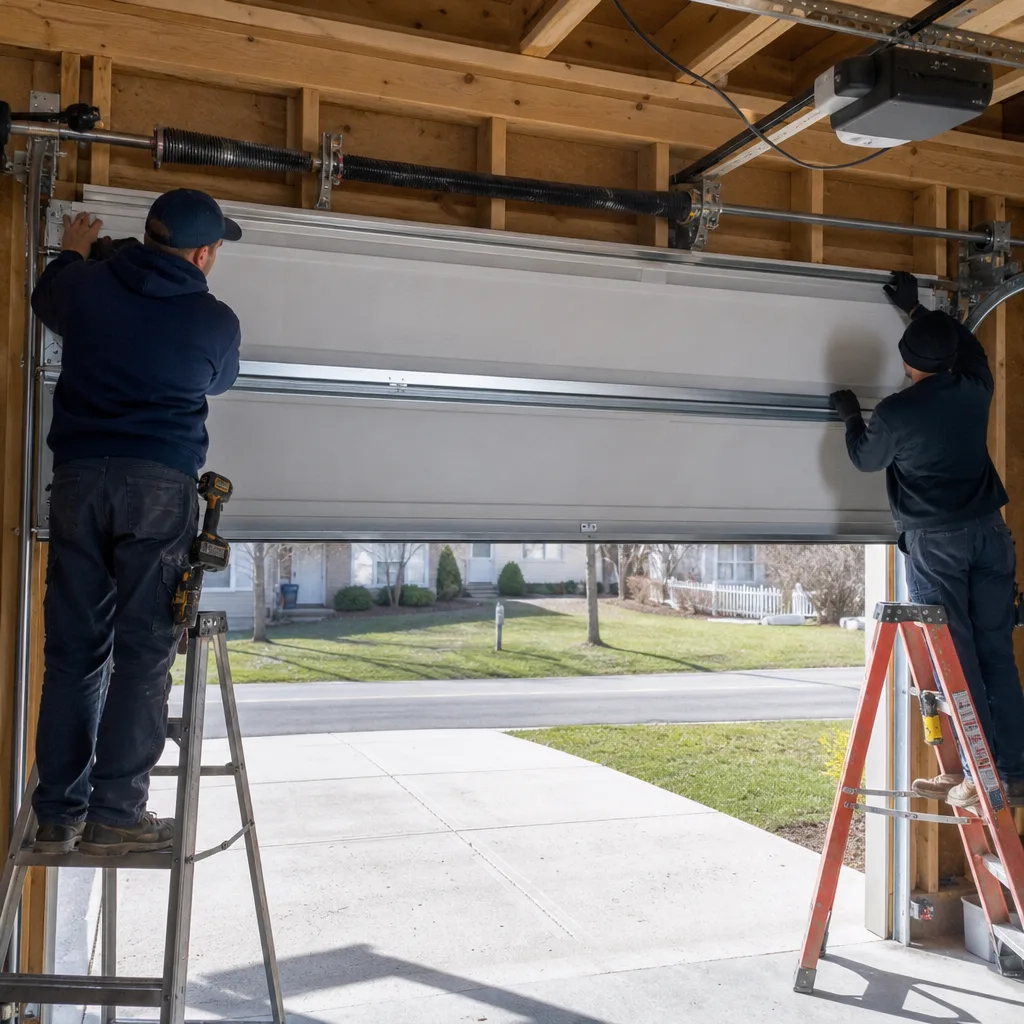
Last updated November 21, 2026
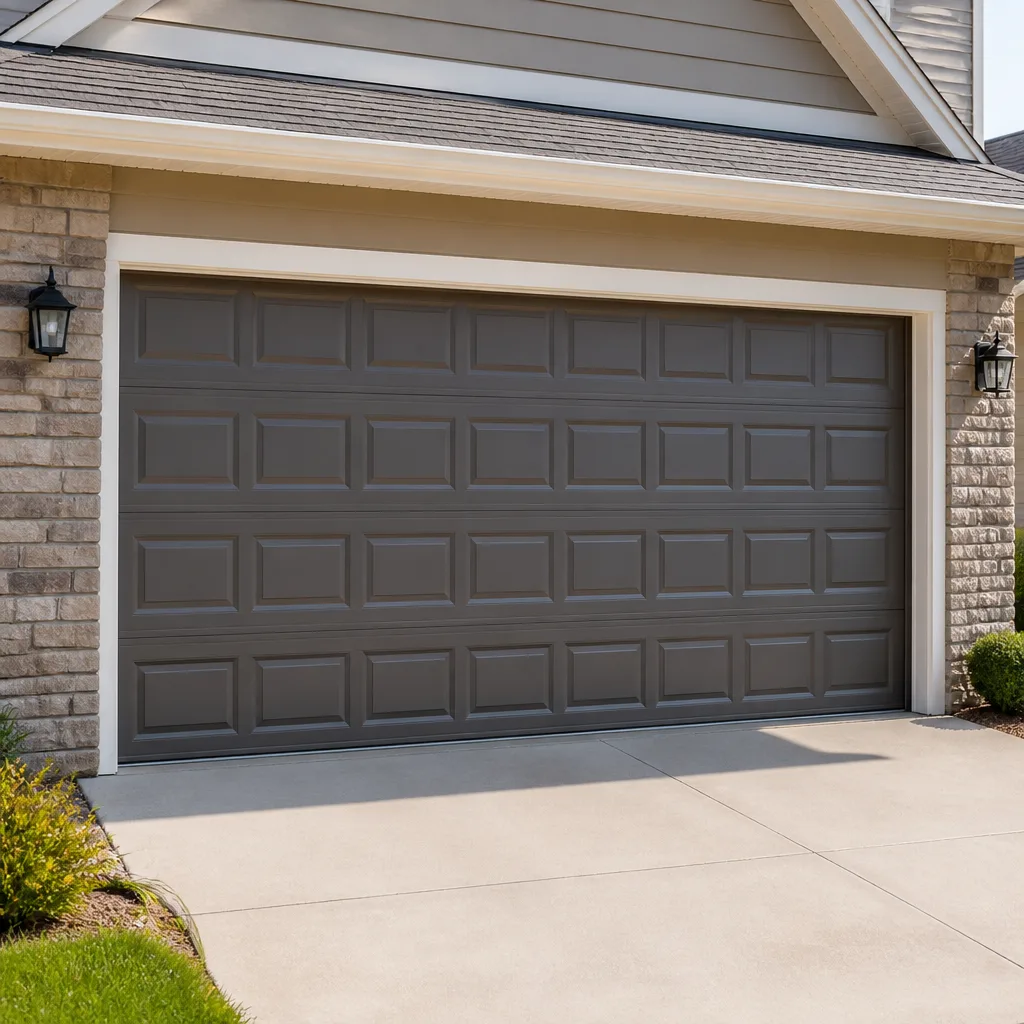 Raised-panel steel
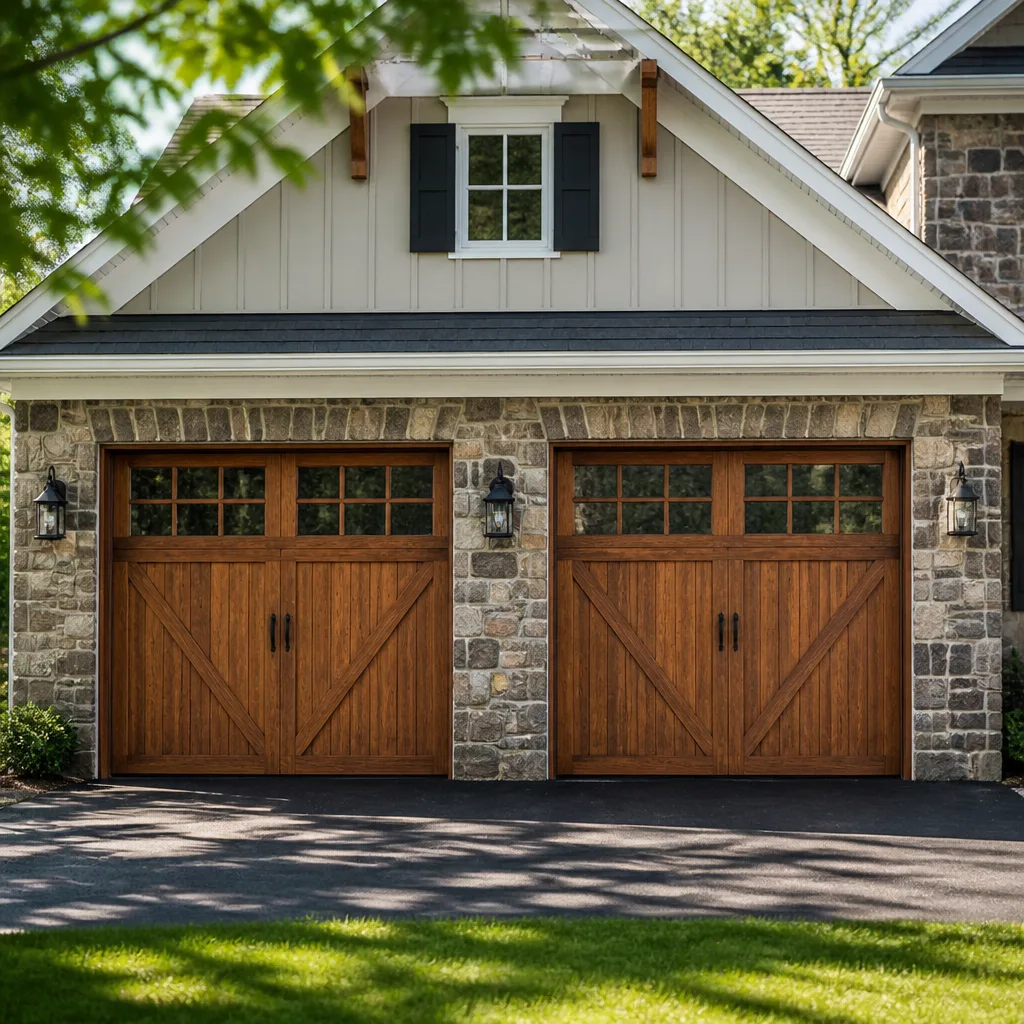 Carriage house
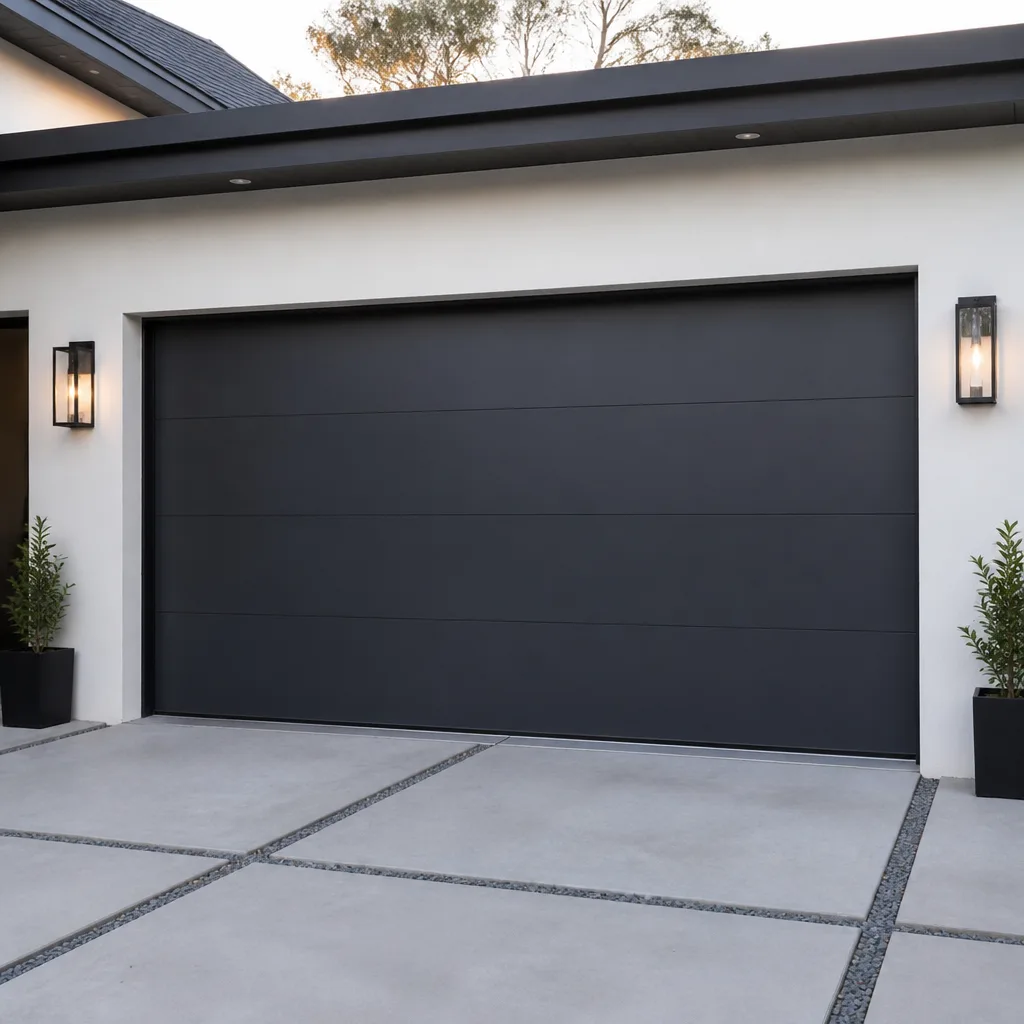 Modern flush
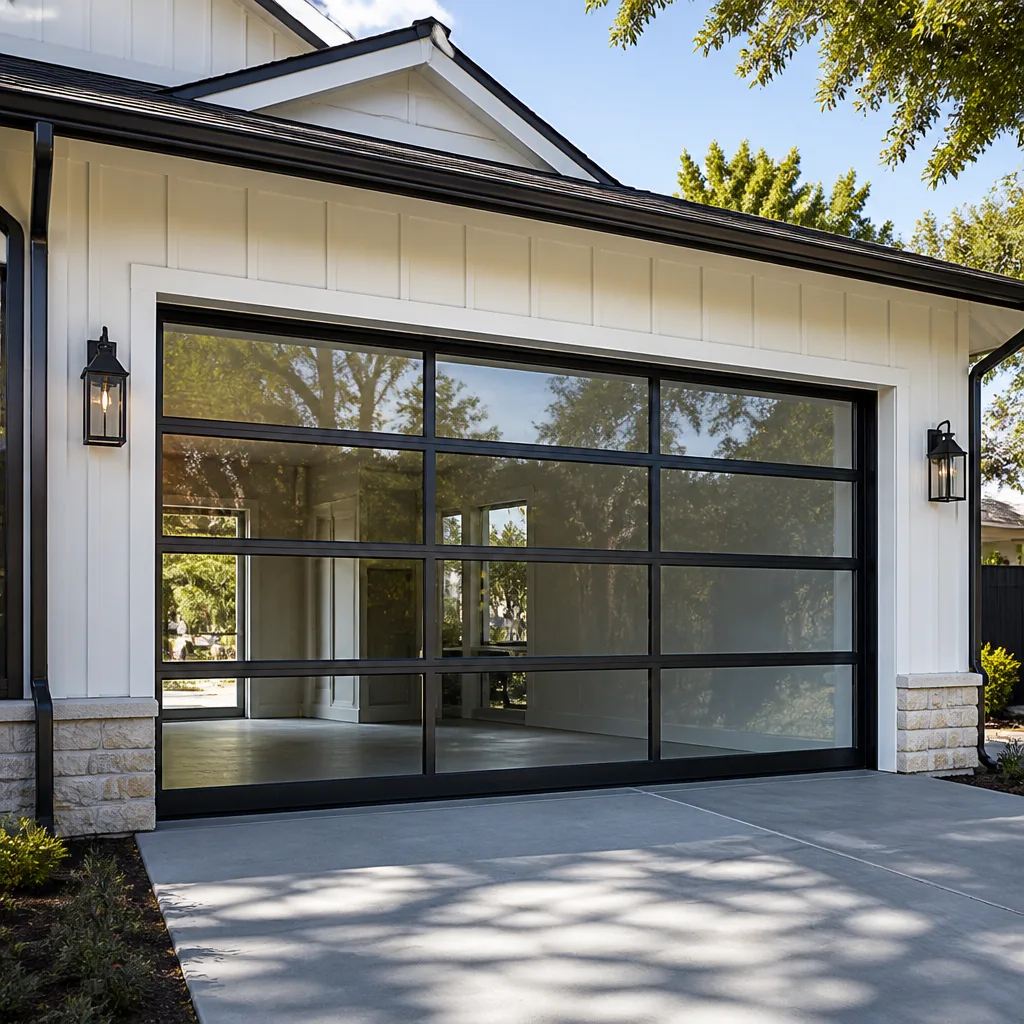 Full-view glass
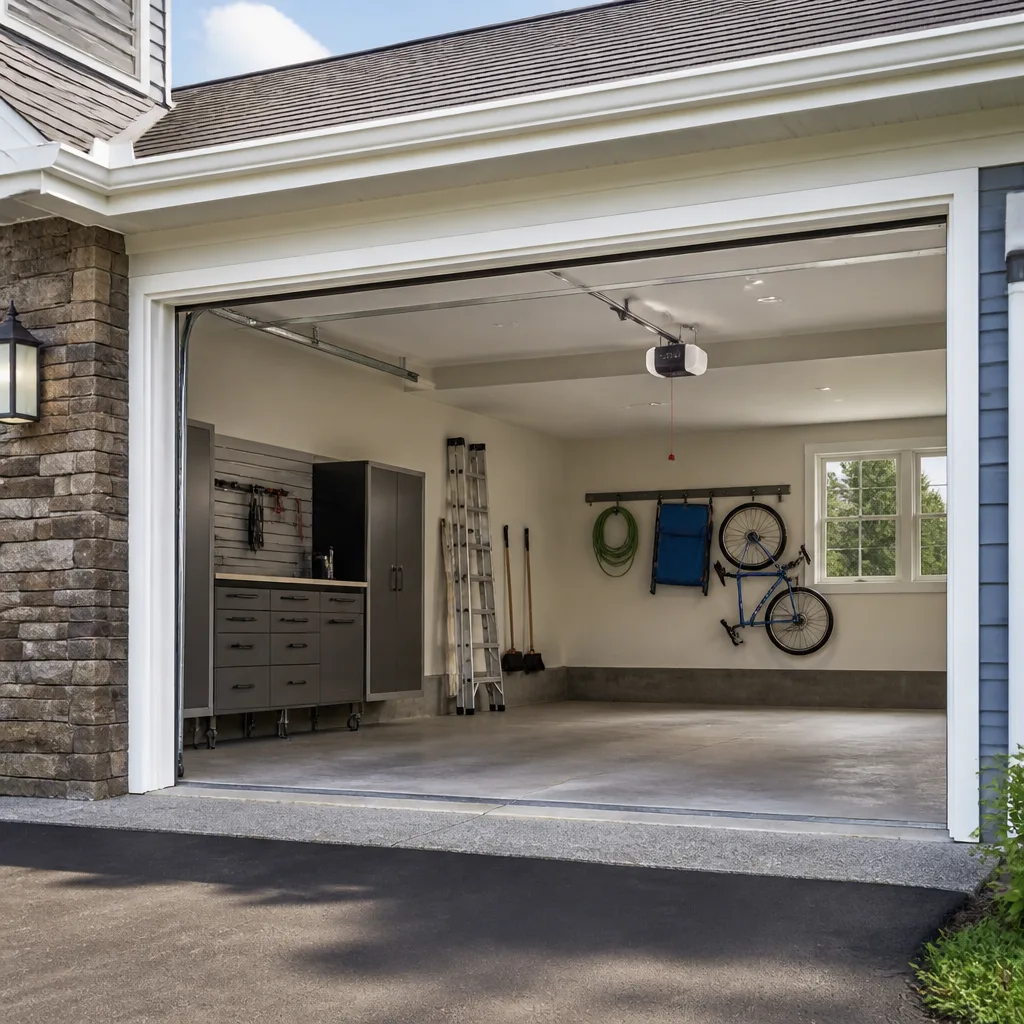 LiftMaster openers
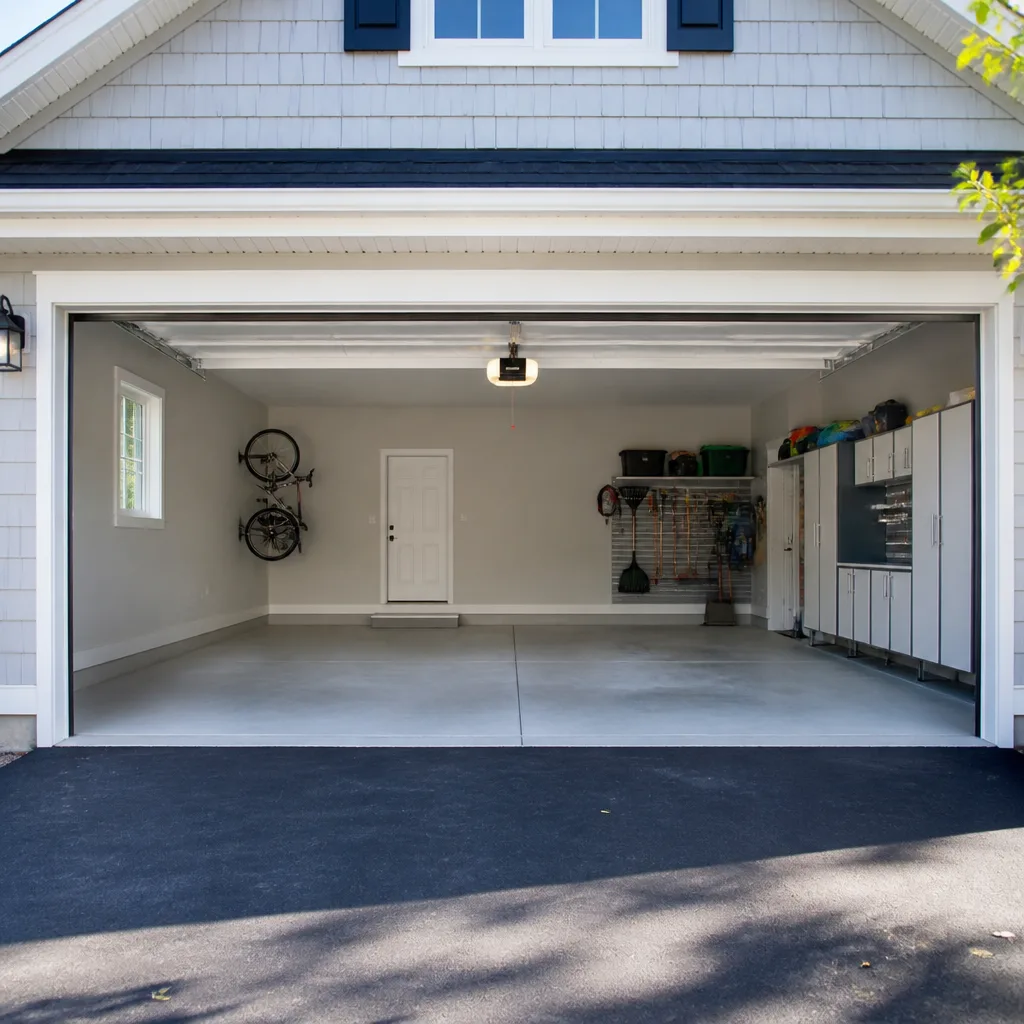 Chamberlain openers
Full 25-point door and opener safety check with every visit - springs, cables, rollers, tracks, and your LiftMaster or Chamberlain opener included
You get a price before we start. It does not change when the pro arrives.
Get your free estimateThe Complete Guide to Garage Doors in Mount Washington
Most garage door mistakes in Mount Washington start before anyone picks up a tool. They start at the tape measure. A 9-foot-wide carriage-house opening on a 1940s colonial won’t accept a standard 8-foot door, and that mismatch is one of the most common ordering errors we hear about when a homeowner buys online without measuring the opening correctly. The right door, the right opener, and even the right torsion hardware all depend on what your specific structure can support – and the housing stock here runs from 1920s rowhomes to hillside colonials to brand-new infill. This guide walks through measuring, materials, opener fit, brand quirks, and the repair-versus-replace decision, so the next choice you make about your garage door in Mount Washington is an informed one.
Quick Answer
The right garage door for a Mount Washington home depends on three things: the actual measured opening (not the nominal size), the headroom and framing your garage was built with, and which door and opener brands are already installed. Measure the rough opening yourself before ordering anything, match new hardware to your existing structure, and treat a failing torsion spring or a bent track as a repair first rather than an automatic replacement. From a snapped spring to a full new door installation, the work almost always follows what the building can support.
Styles & brands we work with
- Raised-panel steel
- Carriage house
- Modern flush
- Full-view glass
- LiftMaster openers
- Chamberlain openers
Table of Contents
- How do you measure a garage door opening in Mount Washington before buying?
- Which door materials hold up against Baltimore-area humidity and temperature swings?
- How do openers and older framing work together?
- Brand notes for the systems common in Mount Washington
- When is a cosmetic upgrade worth it versus fixing the structure?
- Repair or replace: how to decide
- Springs, cables, and what to leave to a trained technician
- Seasonal checks for a Mount Washington garage door
How do you measure a garage door opening in Mount Washington before buying?
You measure the finished opening in four places: width at the top, middle, and bottom, then height at the left, center, and right. Use the smallest width and the smallest height – never the average, and never the size printed on the old door or the packaging. Pre-1970 homes in Mount Washington frequently have openings that don’t land on a standard foot, and a door cut to the wrong size is not returnable once it’s built.
The reason this matters here is the housing stock. Rowhomes from the 1920s through the 1960s often have a single-car opening that was framed to whatever the lot allowed, not to a catalog dimension. Hillside colonials from the 1940s and 1950s can have a two-car opening whose header sits lower than modern standard, because the garage was tucked under the house grade. And infill construction from the last couple of decades tends to be closer to standard, but not always.
Measure in this order, and write each number down:
- Width at the top of the opening, at the middle, and at the sill. The narrowest reading is your width.
- Height at the left jamb, at the center, and at the right jamb. The shortest reading is your height.
- Headroom – the distance from the top of the opening to the ceiling, straight up. This decides whether a standard torsion setup fits or you need a low-headroom kit.
- Backroom – how far back the door can travel along the ceiling. A short garage needs a different track configuration.
- Sideroom – the space between the opening edge and the nearest wall or obstruction. Too little sideroom rules out some torsion hardware.
Write the numbers on paper and keep them. Every question you ask after this – to a door supplier, to an opener manufacturer, to us – starts with those measurements. A 9-foot opening is not an 8-foot opening with slack; it needs a door built to 9 feet, and the tracks, springs, and opener rail all follow that dimension.
Which door materials hold up against Baltimore-area humidity and temperature swings?
Steel is the practical default for most Mount Washington homes, wood composite handles the humidity swings well when it’s properly sealed, and aluminum is light and rust-proof but dents easily. The reason material choice matters more here than in a dry climate is the seasonal swing: Maryland summers run humid and hot, winters drop below freezing, and that cycle works on any material that absorbs or traps moisture.
Here’s how the three main options behave in this climate:
- Steel – the most common choice for a reason. It’s stable through humidity swings, holds paint well, and comes in insulated and non-insulated versions. The failure mode is dents and rust at the bottom edge where road splash reaches it. A steel door with a factory finish and a sealed bottom edge handles Baltimore-area weather well. Insulated steel costs more but slows heat loss through an attached garage.
- Wood composite – a good fit for a Mount Washington home where the garage faces the street and the door is part of the facade. Composite resists the swelling and warping that solid wood shows in humid summers, but the finish still needs re-sealing every few years. If the finish is neglected, moisture gets in at the joints.
- Aluminum – light, rust-proof, and easy on the opener because it weighs so little. It dents easily and offers less insulation. It’s a reasonable choice for a detached garage where appearance and warmth matter less than weight and rot resistance.
The material question ties directly to the structure. A heavier wood or insulated steel door puts more load on the springs and the header, so the door you pick has to make sense for the framing that’s already there. If you’re deciding between a lighter door that fits the existing hardware and a heavier one that needs new springs and possibly header work, that trade-off belongs in the quote, not the surprise.
How do openers and older framing work together?
Opener compatibility in older Mount Washington garages comes down to headroom, not brand. A standard chain-drive or belt-drive opener needs enough space above the door for the rail and the torsion assembly, and a lot of pre-1970 garages were framed tight. That’s where low-headroom lift kits come in: they let a standard opener work in a garage that would otherwise have no room for the rail to travel.
In our experience, most opener issues are diagnosed and resolved in a single visit. The common problems aren’t exotic – they’re a worn drive gear, a failing logic board, a misaligned safety sensor, or a remote that’s lost its pairing. But the diagnosis depends on knowing the specific opener, because a Craftsman unit from 2005 and a modern LiftMaster with smart-home integration don’t share the same troubleshooting path.
If your opener is on its way out, here’s how we walk through the decision:
- Identify the existing opener and its age. Model number on the back panel or under the light cover. The brand and model determine parts availability.
- Check the framing and headroom. A replacement opener has to fit the space you have. A low-headroom kit solves a tight garage; a standard rail won’t.
- Match the drive type to the door. A heavy insulated door needs a stronger opener than a light aluminum one. Belt drive is quieter; chain drive handles heavier loads.
- Decide on smart-home features. Modern openers from LiftMaster and Chamberlain include app control and battery backup. If you want that capability, it changes the model shortlist.
When an opener is failing and a vehicle is trapped inside, that’s the moment for emergency garage door service – a dead opener or one stuck in the wrong position is a security problem as much as an inconvenience. The same visit can usually cover the mechanical door and the opener system together, which is often what a legacy system actually needs.
Brand notes for the systems common in Mount Washington
The brand already on your door dictates how a repair goes, so we work on the brand you already have rather than pushing a swap. Over the years, the systems that show up most in Mount Washington are Clopay, Amarr, Wayne Dalton, Raynor, LiftMaster, Chamberlain, Genie, and Craftsman. Knowing the quirks of each saves the guesswork a generalist handyman does on the spot.
A few notes worth knowing before you call anyone:
- Wayne Dalton – torquemaster-style torsion systems on some models are adjusted differently from a standard spring setup, and replacements need the specific assembly rather than a universal spring. A technician unfamiliar with them can create more problems than they fix.
- Clopay – common on both older and newer homes here. Their panel profiles and finish options vary by model line, so a cosmetic replacement panel has to match the exact series, not just the color.
- Amarr – their insulated steel doors hold up well in this climate, and their hardware is standardized enough that a spring replacement follows a familiar path.
- Raynor – solid, older systems that are often still in service. Parts availability is the one thing to check before committing to a repair over a replacement.
- LiftMaster and Chamberlain – the two openers we see most. Shared engineering means a diagnosis on one often translates directly to the other. Both support modern smart-home features if you’re upgrading.
- Craftsman – legacy units are everywhere, and some parts are discontinued. A failed logic board on an old Craftsman sometimes points toward replacement rather than repair.
- Genie – reliable openers with a shorter common-issues list. Safety sensor alignment and drive gear wear are the typical culprits.
The point is compatibility, not brand loyalty. We’re certified to service all eight of these, which means when you describe a Wayne Dalton door or a Genie opener, the person on the phone already knows what you’re describing. For a deeper look at the repair side, our garage door repair page covers the specific failure points, or you can read about garage door opener repair for the electronics side of a failing unit.
When is a cosmetic upgrade worth it versus fixing the structure?
A cosmetic upgrade is worth it when the door itself is sound and the frame, header, and opening are in good condition. When the header is sagging, the opening is racked, or water is getting in at the sill, the cosmetic upgrade has to wait – a new door hung on a failing structure just hides the problem until the door stops working too.
Mount Washington’s housing stock makes this a real question. A 1940s colonial with a sagging header looks like it needs a new door. It might. But if the header is soft or the opening has gone out of square, installing a heavier door on top of that just loads a weak structure. The order of operations matters.
Here’s how we think about it:
- Cosmetic upgrade makes sense when the door opens smoothly, the frame is square, the header is solid, and the only complaint is appearance. New panels, a different finish, or a full replacement door is a clean project.
- Structure comes first when the opening is out of square, the header shows sag or rot, the tracks are pulling away from the frame, or the sill allows water in. Those get fixed before any new door goes on, or the new door inherits the problem.
- Both at once happens more than you’d expect – a homeowner planning a cosmetic upgrade finds out during measurement that the opening isn’t what it should be. Getting a proper measurement and frame check first prevents ordering a door that won’t fit what’s actually there.
- Repair is the honest answer when the door itself is fine and only the hardware has failed. A snapped spring or a bent track on an otherwise solid door is a repair, not a replacement conversation.
Our garage door installation page walks through what a full replacement involves. If the door is only failing on the hardware side, the repair route is where we start – replacing a sound door because a spring broke is a decision we’d steer you away from.
Repair or replace: how to decide
Repair wins when the door itself is structurally sound and the failure is in the springs, the opener, the tracks, or the rollers. Replace wins when the door has structural damage or its parts are no longer available. The line between the two is usually the door panel and the frame, not the hardware.
Run through these questions when you’re deciding:
- Is the door panel itself sound? Rusted-through panels, rotten edges, or cracked wood mean the door’s done. Dents in the middle of a steel panel are cosmetic.
- Are the springs broken, and are replacements available? A failed torsion spring is a repair, full stop. The door is fine. The spring is not.
- Is the opener the problem? An opener that’s failing after a long service life can be replaced on its own. The door doesn’t need to go with it.
- Are the tracks and rollers still in good condition? Bent tracks are a repair. Worn rollers are cheap to swap. These don’t wear out the door.
- Is the structural frame sound? This is the one question that pushes toward a bigger project. If the header, jamb, or opening is compromised, the fix starts there.
The honest answer is that most garage door calls end in a repair. Homeowners worry that calling a technician means a replacement pitch – it doesn’t have to. The scope should be set by what the door needs, and the price should be quoted and agreed before any work starts, so there’s no surprise when the job is done.
Springs, cables, and what to leave to a trained technician
Garage door springs are under extreme tension – this is not a DIY repair. A torsion spring holds the full weight of the door in balance, and a spring that lets go while someone is working on it can cause serious injury. The cables that run alongside it are wound tight as well. If you’re hearing a pop, seeing a gap in the spring, or the door feels heavy when you lift it by hand, stop using the door and let a trained technician look at it.
What to watch for, from a safe distance:
- A visible gap in the torsion spring above the door – the spring has broken, and the door is being held by cables only.
- The door comes down hard or slams when you try to lower it. That’s the spring not balancing the weight.
- A loud bang from the garage – usually a spring letting go. Don’t try to raise the door afterward.
- Cables that look slack, frayed, or off the drum. Stay clear; those are loaded.
Our technicians have up to 14 years of experience with these systems, and spring repair is a dedicated service here rather than a reluctant add-on. That’s because it’s the repair most often attempted badly by someone who doesn’t do it every day. Leave the springs and cables to a trained technician. The rest of the maintenance – visual checks, lubrication, testing the safety reverse – is something you can do yourself.
Seasonal checks for a Mount Washington garage door
A quick visual check each season catches most garage door problems before they strand you. The humidity swings this area sees are what wear out the moving parts first, so a spring and fall check makes the most sense.
What to do yourself:
- Test the safety reverse by placing an object in the door’s path and confirming the door reverses. Do this monthly; it’s the one safety feature you can verify without tools.
- Look at the springs and cables from the ground. Any gap, fray, or slack means stop and call.
- Listen for a change in the door’s sound as it opens and closes. A grinding or popping noise is new wear somewhere.
- Wipe the tracks clean and check that the rollers haven’t shed their bearings or cracked.
- Check the weatherstripping along the bottom edge. It’s the first thing a humid summer finds, and it’s cheap to replace before water gets in.
The door itself doesn’t need much attention. The hardware does. A door that’s been opening smoothly for years and suddenly feels stiff is telling you the springs, rollers, or opener are reaching the end of their service life. Getting it looked at before it fails is cheaper than waiting for it to fail.
Common Mistakes to Avoid
- Buying a door without measuring the actual opening. A 9-foot opening is common on Mount Washington colonials, and an 8-foot door won’t fit. Measure all four places and use the smallest number, or you’ll be stuck with a non-returnable door that doesn’t close.
- Assuming a standard headroom. Older garages here were often framed tight, and a standard opener won’t fit without a low-headroom kit. Check the headroom before ordering anything.
- Replacing the door when the springs failed. A broken torsion spring is a repair. The door is sound. Replacing it is a much bigger project than the problem calls for.
- Ignoring the header while planning a cosmetic upgrade. If the header is sagging or the opening is out of square, fix that first. A new door on a failing frame just delays the problem.
- Hiring someone who doesn’t know the brand. Wayne Dalton torquemaster systems and legacy Craftsman openers need someone who’s worked on them. A generalist handyman guesses; we arrive knowing the quirks.
- Assuming a heavier door is always better. An insulated steel door is great, but it adds load the existing springs and framing may not handle. Match the door to the structure, not the brochure.
- Attempting a spring repair yourself. The springs are under extreme tension. A gap in the spring means call a technician, not a YouTube video. This is the one repair where the wrong approach is genuinely dangerous.
See the difference
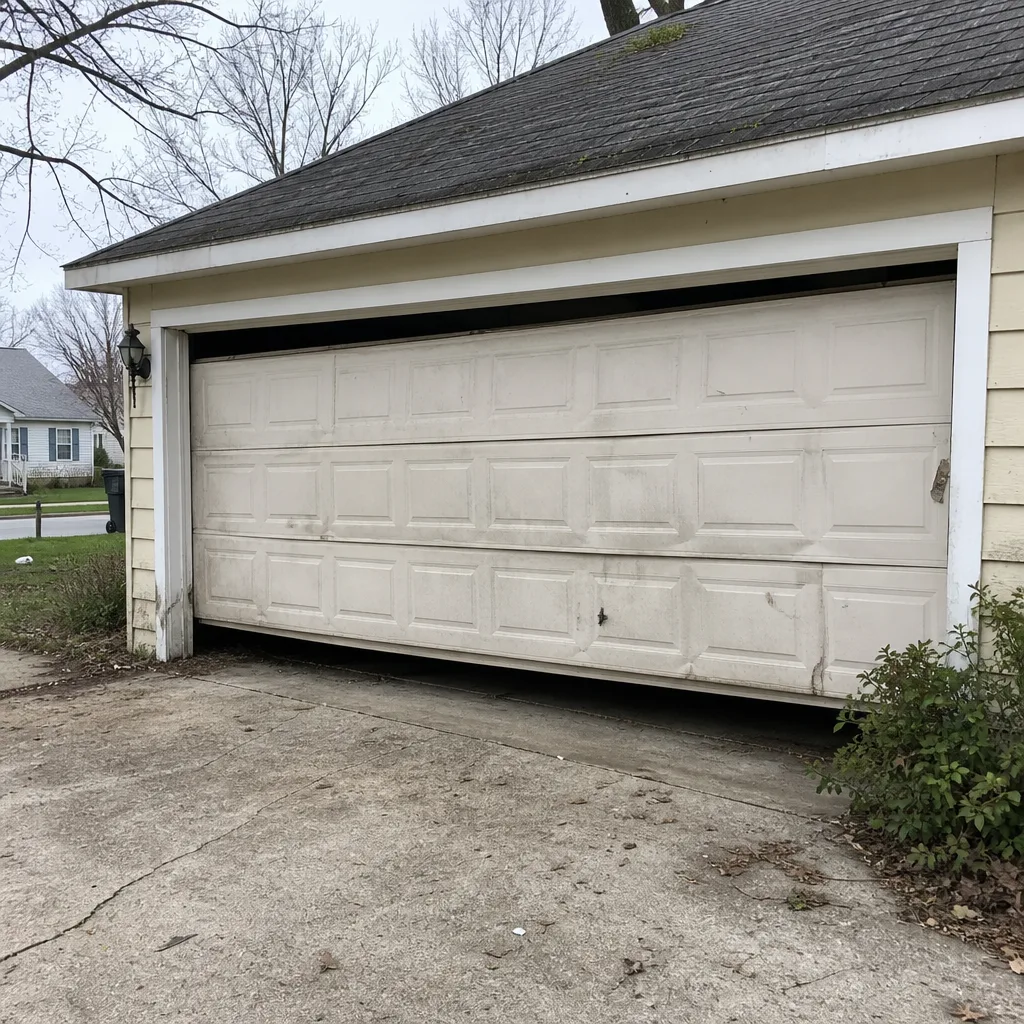 Before
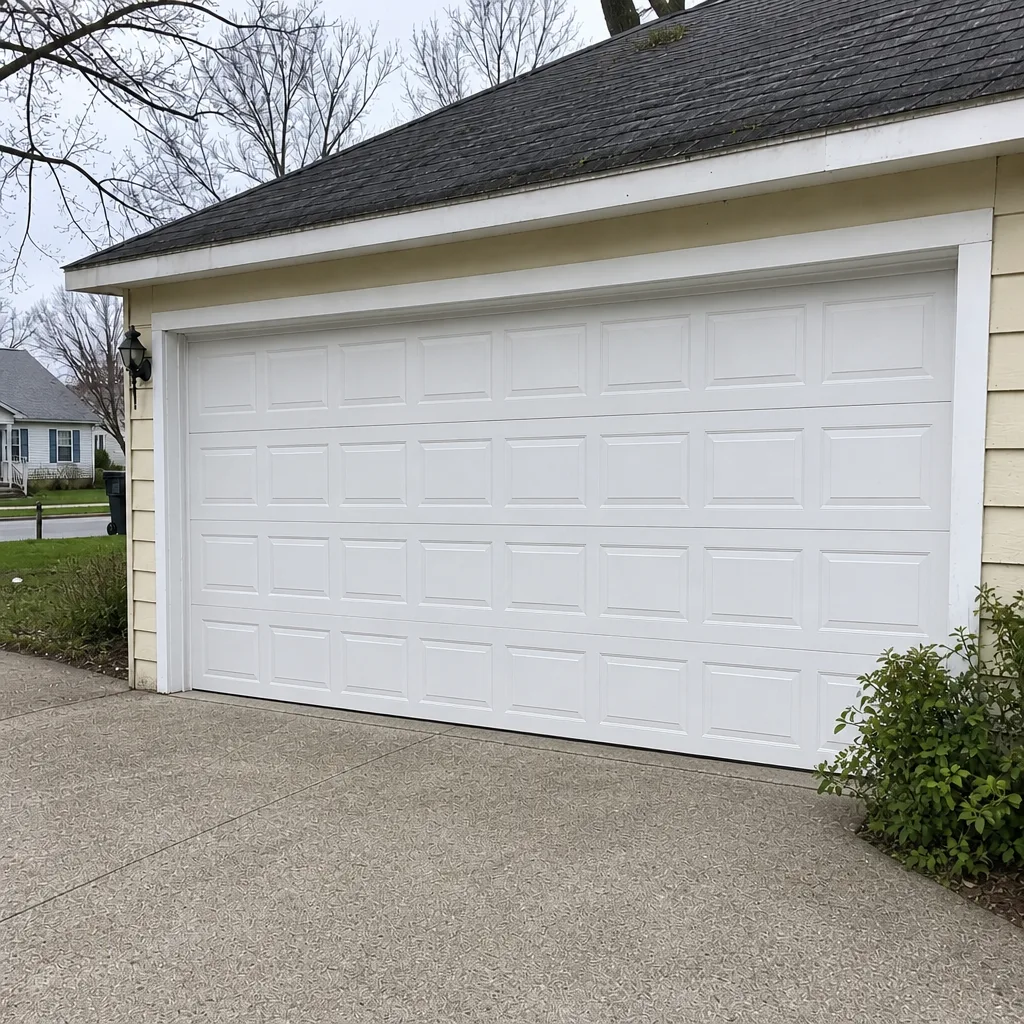 After
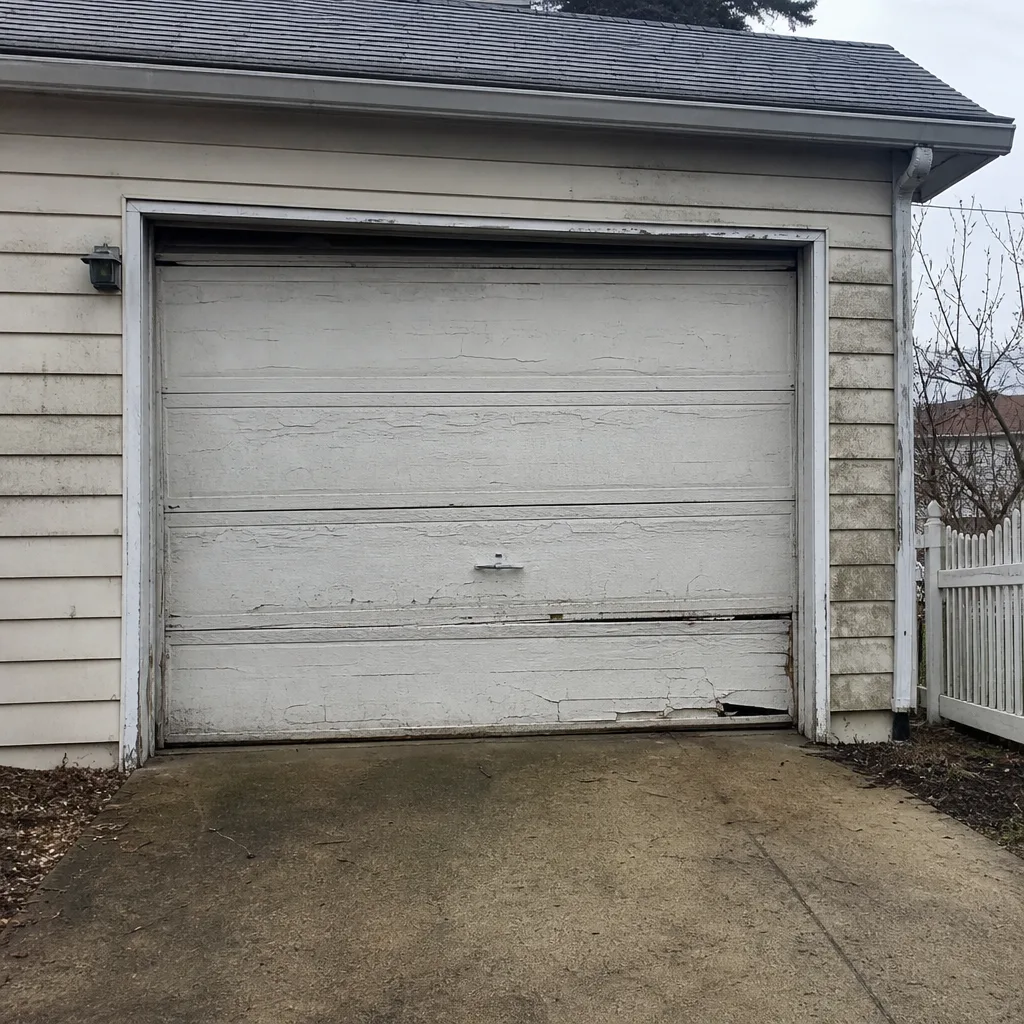 Before
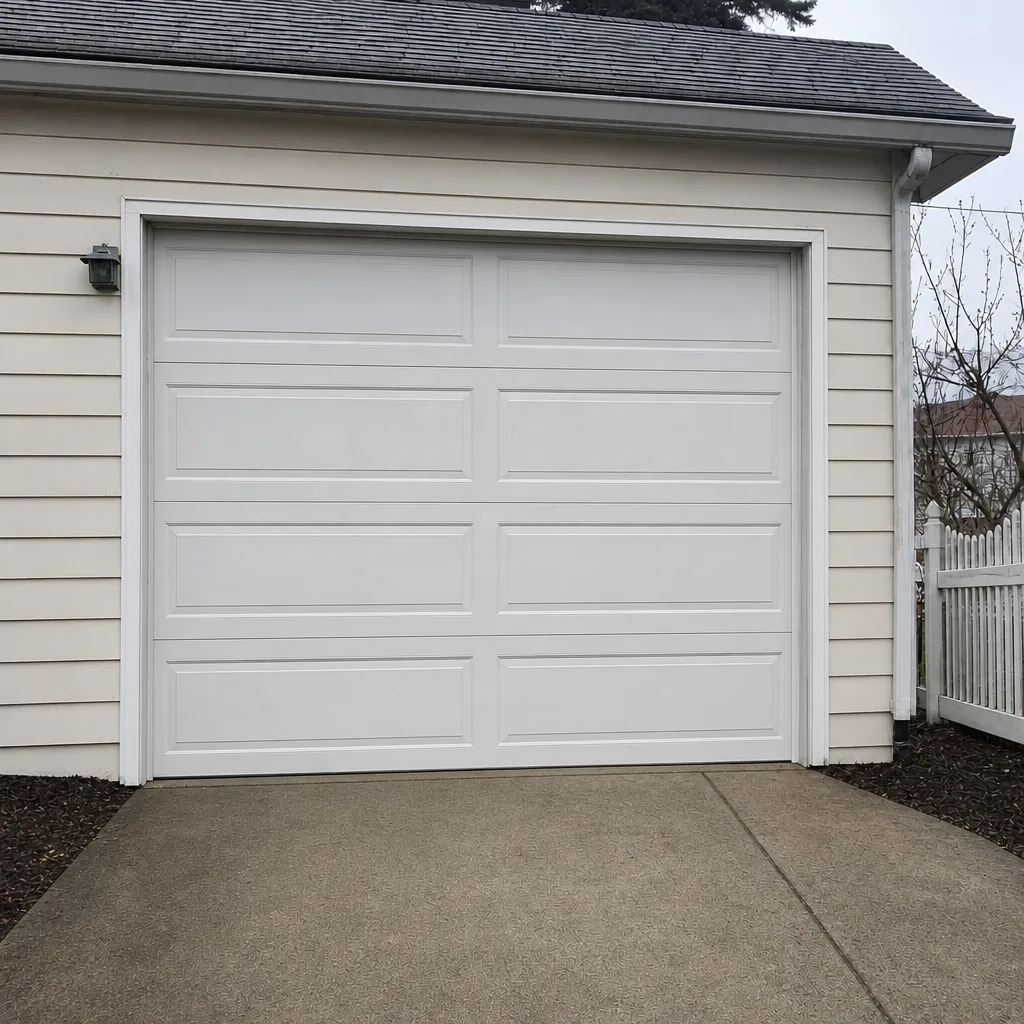 After
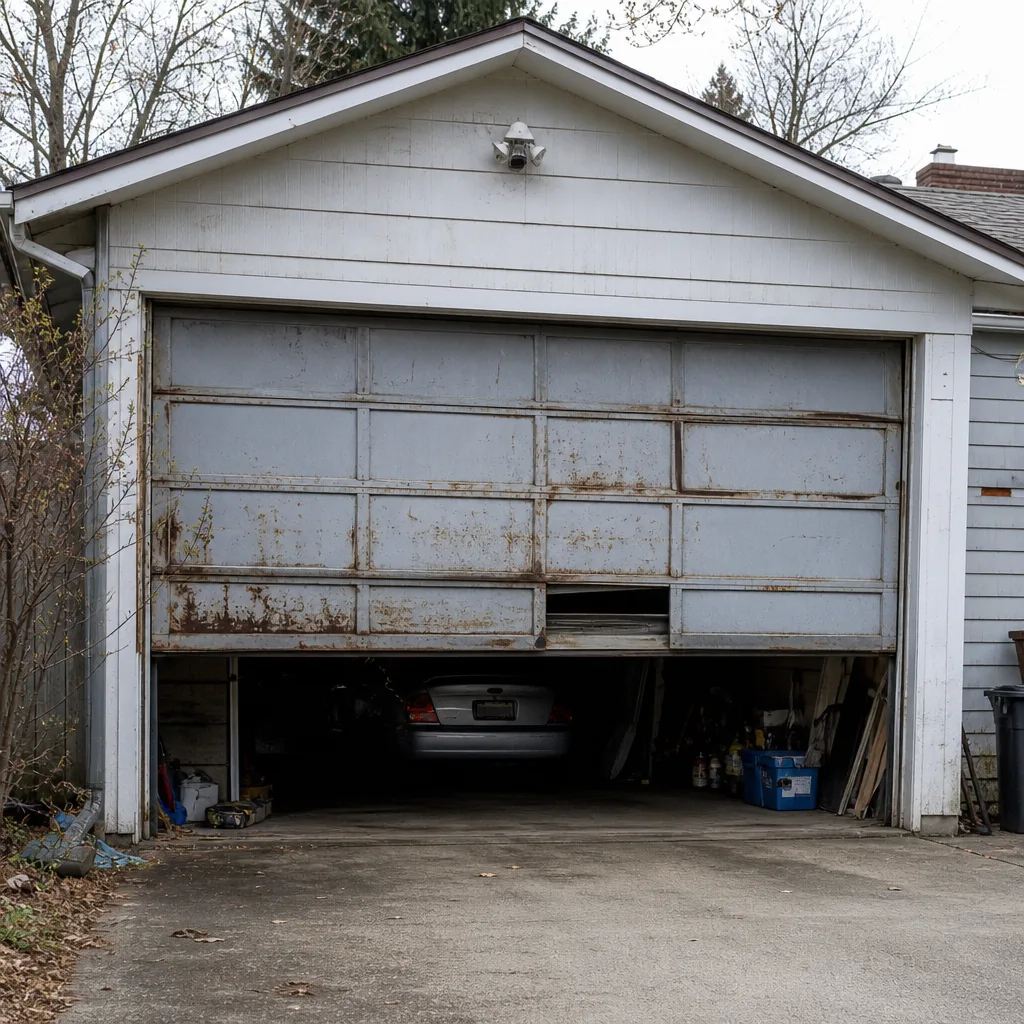 Before
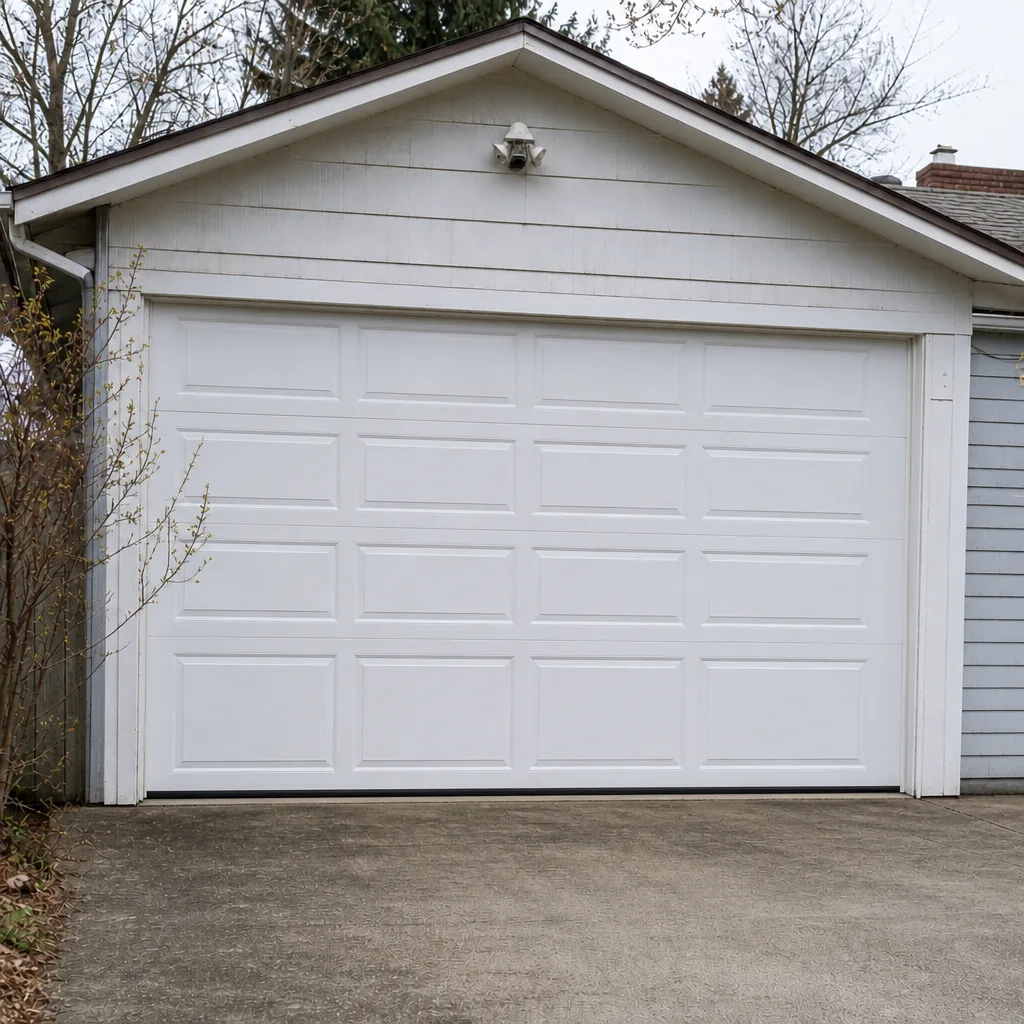 After
When to Call a Professional
Call a professional when the door won’t close, when a spring has visibly broken, when the door is stuck in the wrong position with a vehicle trapped inside, or when the tracks have come loose from the frame. Those are the situations where a trained technician with the right tools saves time and risk. It’s also worth a call if you’re planning a replacement and want to know whether the structure supports the door you’ve picked – a measurement and frame check before ordering is a lot cheaper than discovering the problem after delivery.
Mount Washington Garage Door Repair offers free estimates in Mount Washington – call (855) 525-7051. We answer 24/7. Fast dispatch from 7am to 7pm, Sunday through Friday. For a broader look at the services behind this guide, start at Mount Washington Garage Door Repair, and from there you can dive into the specific repair, opener, or installation pages.
Frequently Asked Questions
Measure the opening in three places for width and three for height, and use the smallest number from each. A standard opening in Mount Washington is often 8 feet or 9 feet wide for a single car and 16 feet for a double, but pre-1970 homes frequently land off those numbers. If your measurement doesn’t land on a standard size, the door has to be built to the opening, so measure before ordering anything.
Yes, in most cases. A broken torsion spring is the most common same-day repair we handle, and it’s a dedicated service rather than an add-on. Call (855) 525-7051 and we’ll set up a dispatch – fast dispatch from 7am to 7pm, Sunday through Friday, and the price is quoted and agreed before any work starts.
No. The written estimate sets the price, and the quote is agreed before any work begins. If we find something during the job that wasn’t visible on the call – a bent track, a worn roller – we’ll tell you before doing the work, not after. The number we quote is the number you approve, and the estimate is free.
The local pro who comes to your home is licensed and insured as their state requires. We connect you with independent local professionals who have up to 14 years of experience, and they’re vetted to work on the eight brands we service: LiftMaster, Chamberlain, Genie, Clopay, Amarr, Wayne Dalton, Craftsman, and Raynor.
Steel is the practical default for most homes here, with wood composite a good fit where the garage faces the street and the door is part of the facade. Aluminum is light and rust-proof but dents easily. The Baltimore-area humidity and temperature swings are what wear on any material, so proper sealing and a sealed bottom edge matter more than the material itself.
Yes. We’re factory-familiar with Wayne Dalton and Raynor, along with the other six majors, so a technician arrives knowing the specific hardware and its quirks rather than feeling it out on arrival. If you’re not sure what you have, tell us the brand and model on the phone and we’ll confirm what’s involved before the visit.
The Bottom Line
The right garage door for your Mount Washington home comes down to what the structure can support, not what a catalog says. Measure the opening in six places and use the smallest numbers. Match the door material to the humidity swings this area sees. Check the headroom before committing to an opener. Treat a broken spring or a failing opener as a repair, not an automatic replacement. And when the header or framing is the real problem, fix that first before a new door goes on. The door you have is usually worth repairing – we work on the brand you already have.
Call (855) 525-7051 for a free estimate in Mount Washington. We answer 24/7. Fast dispatch from 7am to 7pm, Sunday through Friday.
Written by the team at Mount Washington Garage Door Repair.