
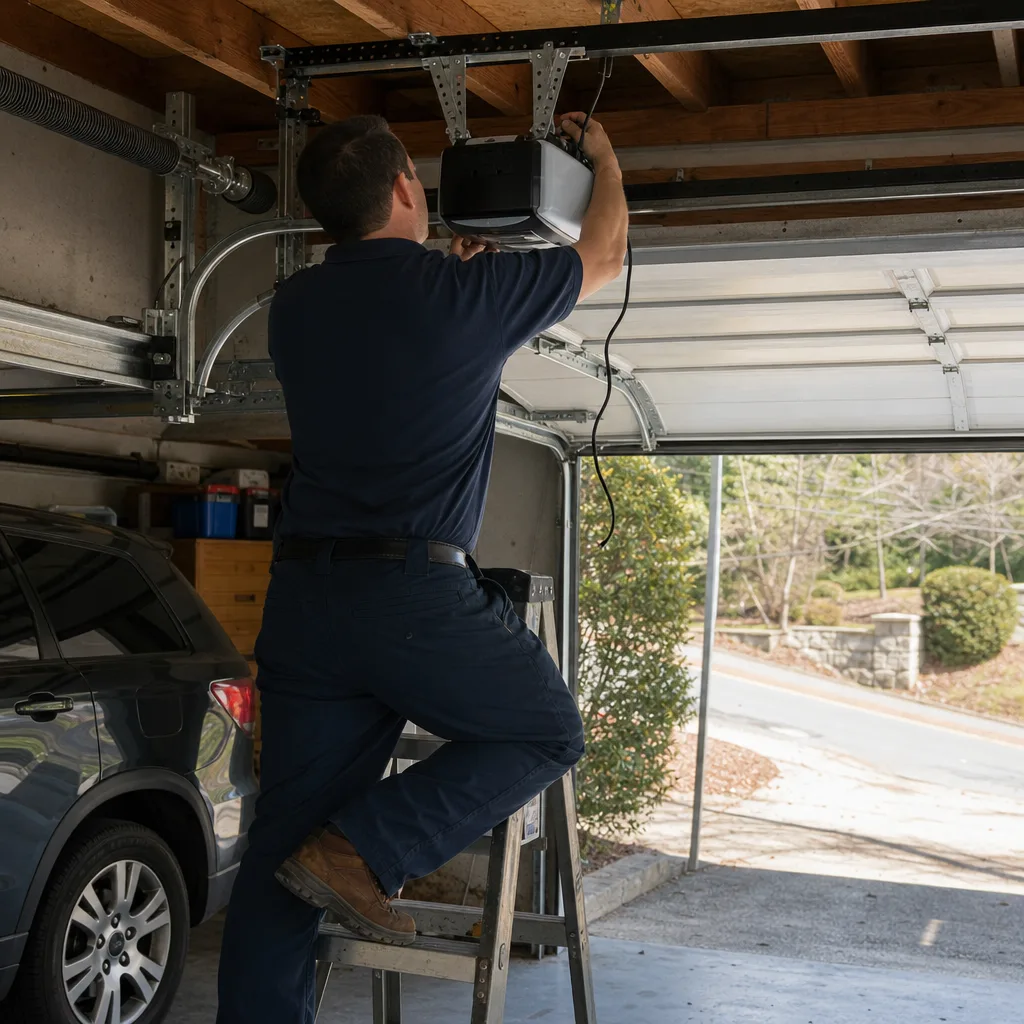
Last updated November 21, 2026
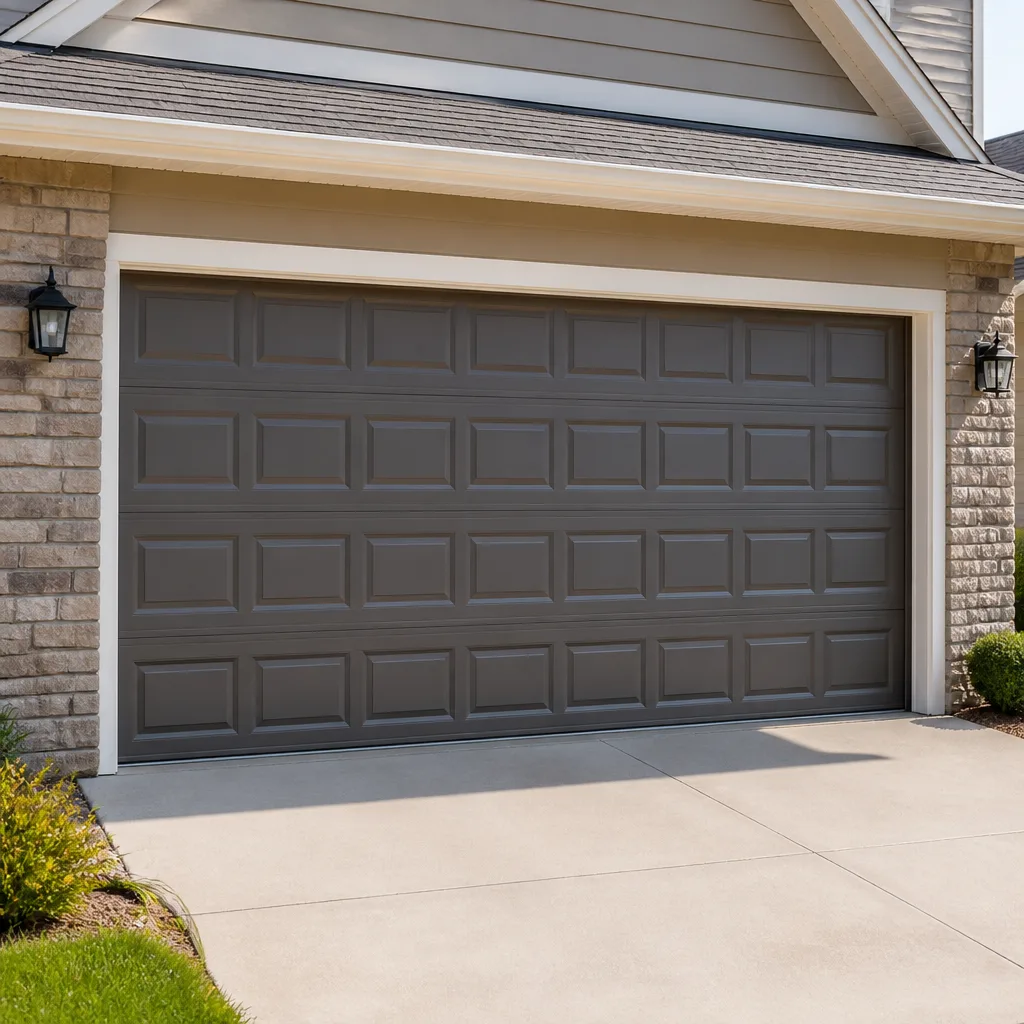 Raised-panel steel
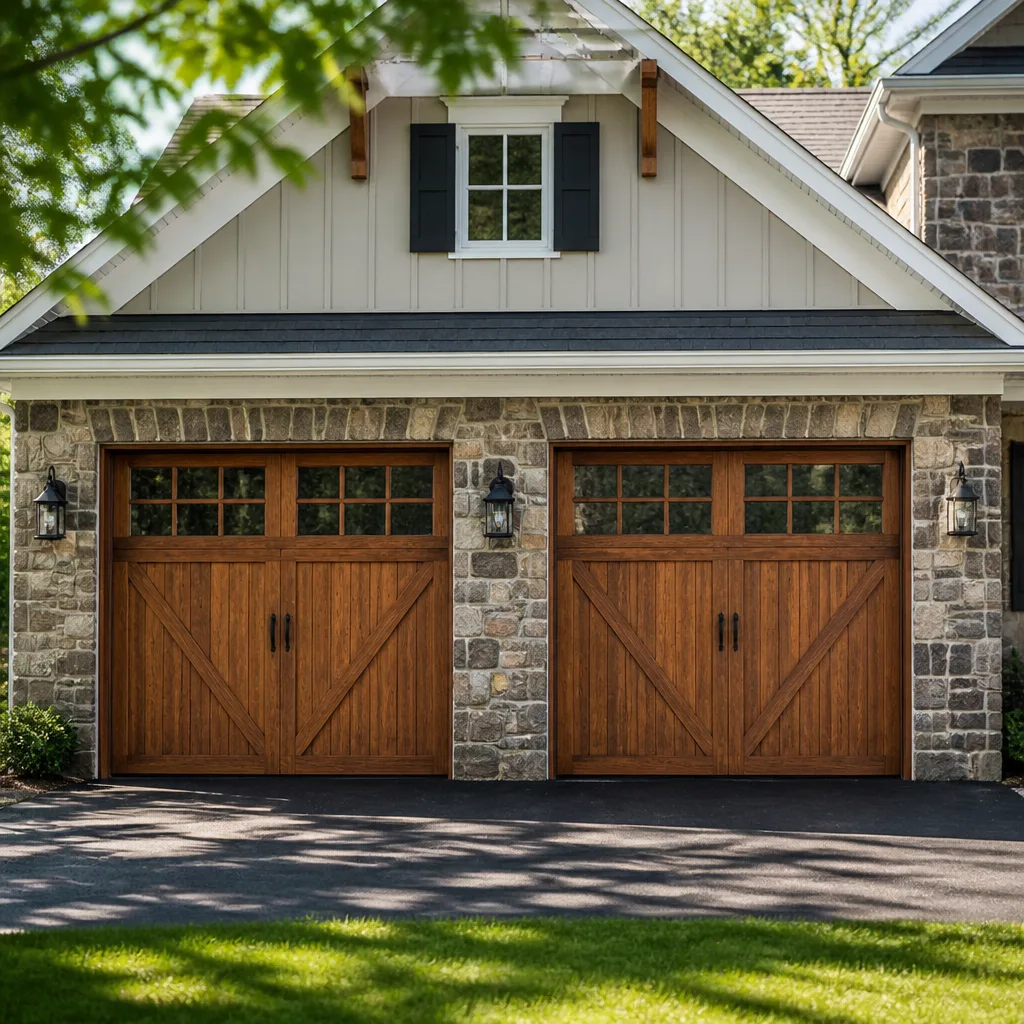 Carriage house
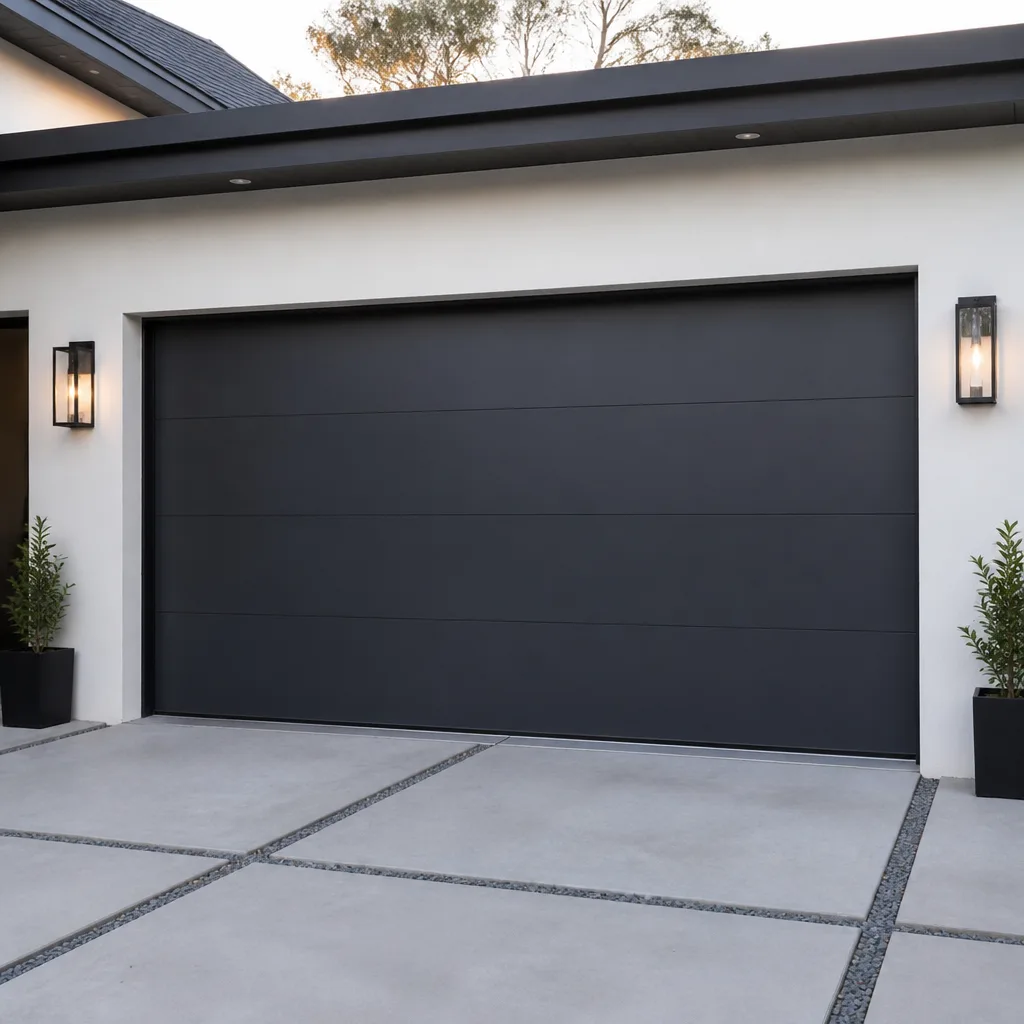 Modern flush
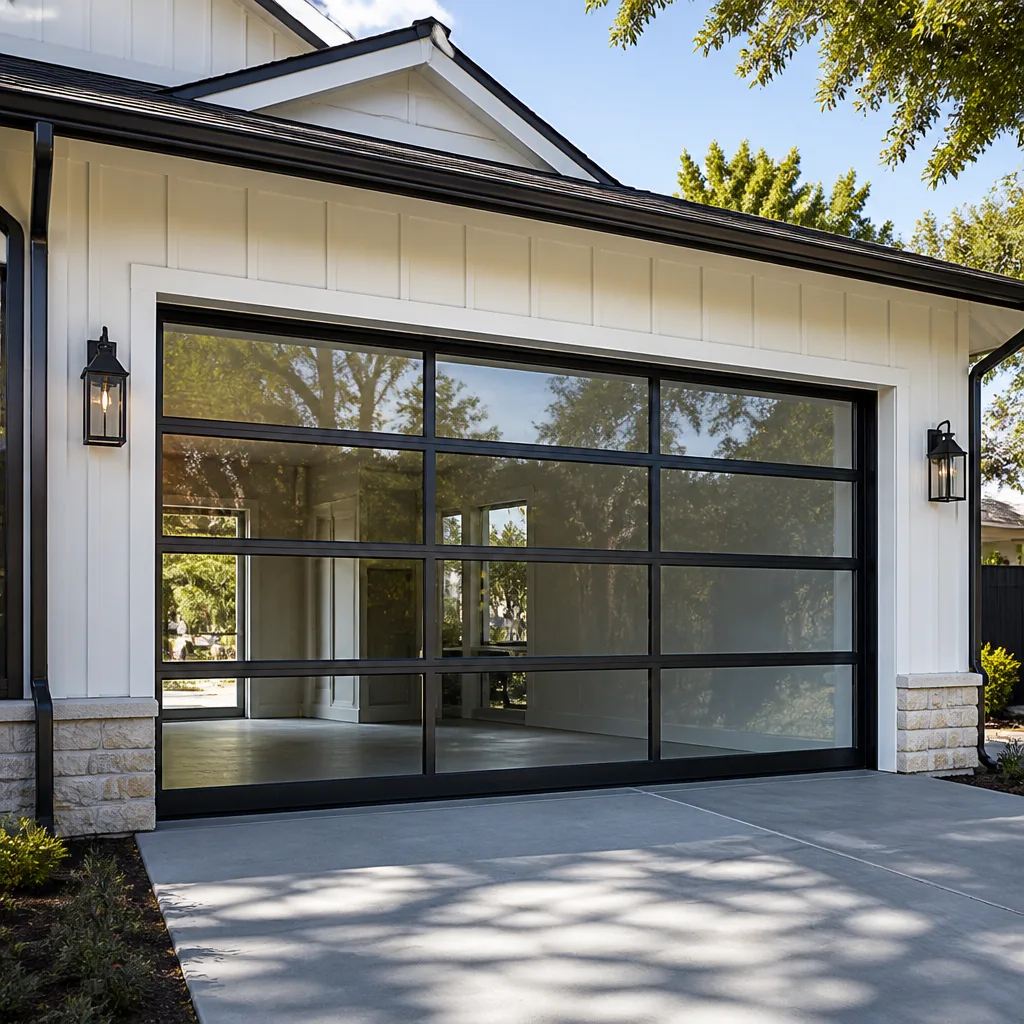 Full-view glass
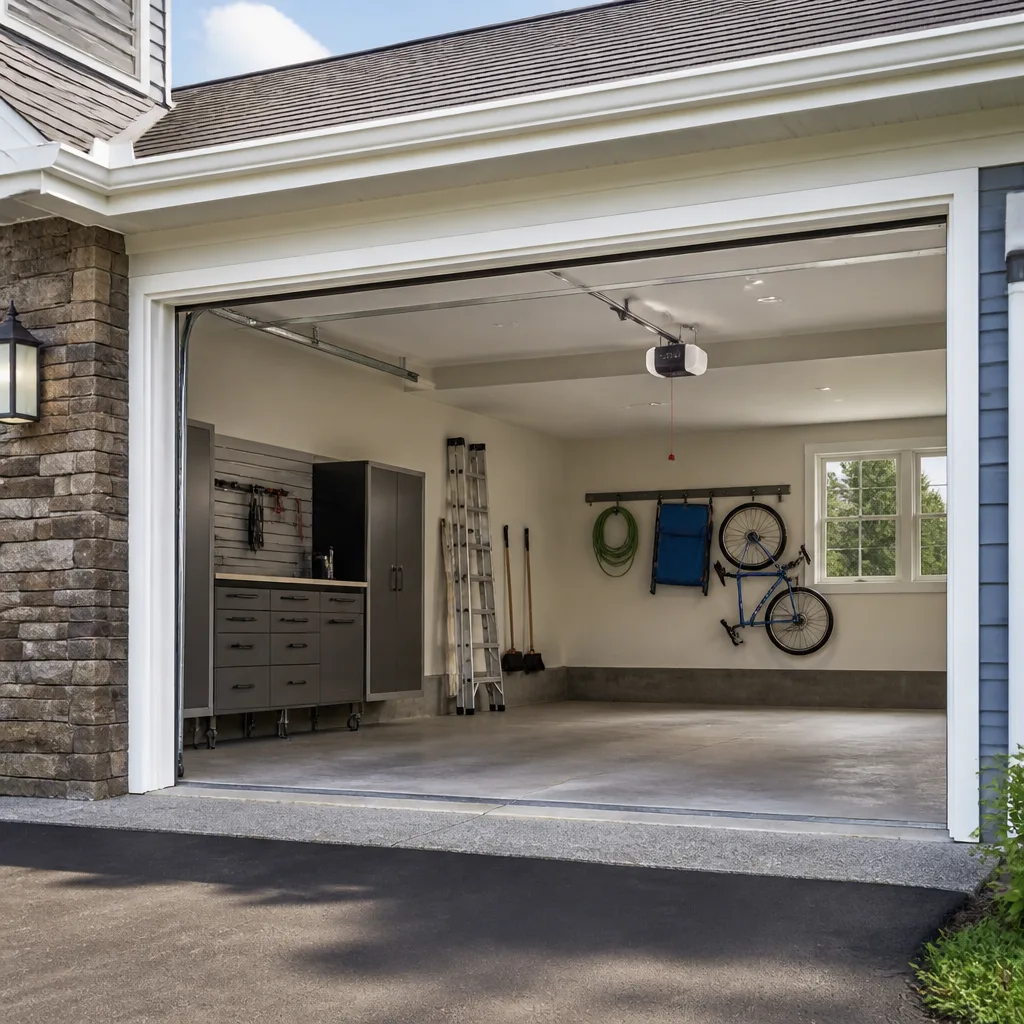 LiftMaster openers
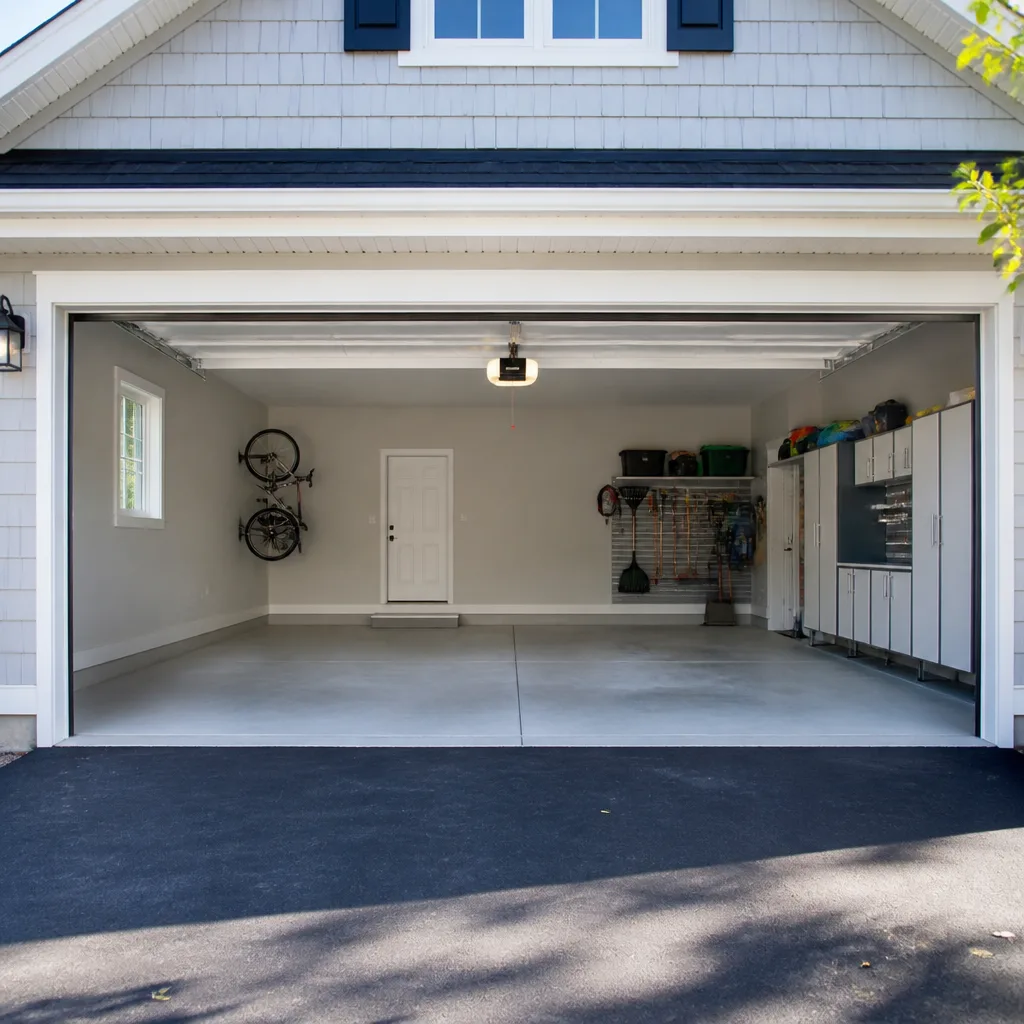 Chamberlain openers
Full 25-point door and opener safety check with every visit - springs, cables, rollers, tracks, and your LiftMaster or Chamberlain opener included
You get a price before we start. It does not change when the pro arrives.
Get your free estimateGarage Door Emergency Preparedness Guide for Mount Washington Homes
The manual release cord on your garage door opener is one of the most important safety features in your home, and a good number of homeowners have never pulled it. That matters more in Mount Washington than in most places, because on many streets here the garage is the front door. It’s how groceries come in, how kids get to the car, how you leave for work. When the power drops or a spring lets go, a door that won’t move can leave you locked inside the house or locked out of it. This guide is about preparing your system before that happens: testing the release, understanding your opener’s backup, documenting what you own, and knowing exactly what to do when a spring snaps.
Quick Answer
To prepare a Mount Washington garage door for emergencies, test the manual release cord now while the power is on, confirm whether your opener has a battery backup, write down your opener model and spring wire size so a technician can bring the right parts, and never attempt to lift a door with a broken spring by hand. Most opener problems and spring failures can be diagnosed and resolved in a single visit, and a written price is agreed before any work begins.
Styles & brands we work with
- Raised-panel steel
- Carriage house
- Modern flush
- Full-view glass
- LiftMaster openers
- Chamberlain openers
Table of Contents
- How the Manual Release Cord Works, and How to Test It Before You Need It
- Power Outages and Battery Backup: What LiftMaster and Chamberlain Openers Actually Include
- When a Spring Snaps: Door Stuck Closed or Stuck Open
- If the Door Won’t Fully Close: Temporary Security Options
- Documenting Your System So the Right Parts Arrive the First Time
- Snow, Ice and Cold-Weather Failures in Mount Washington
- Seasonal Preparedness Checklist
- What Happens When You Call
How the Manual Release Cord Works, and How to Test It Before You Need It
The red cord hanging from your opener’s trolley is a mechanical disconnect, not a lock. Pulling it separates the trolley from the carriage that rides the rail, so the door can be lifted by hand while the opener stays where it is. If you’ve never pulled it, the carriage can seize from old grease and disuse, and the cord that’s supposed to free your door in a blackout does nothing. A frozen trolley in a Mount Washington home during a January power outage is a real problem, because there’s no other way to get the door up short of a technician.
Here’s how to test it while the power is still on:
- Close the door completely and make sure no one is standing under it.
- Pull the red release cord down and toward the door. You should hear a distinct click as the trolley disengages.
- Lift the door by hand from the bottom center. A properly balanced door should rise with steady, moderate effort.
- Lower the door slowly until it’s fully closed. Don’t let it drop.
- Pull the cord again to re-engage the carriage, then run the opener through one full open and close cycle to confirm it reconnected.
If the cord won’t move, or the door is difficult to lift by hand, stop there. A door that’s hard to raise manually usually has a spring or balance problem, and forcing it puts stress on the panels and the track. Our technicians have up to 14 years of experience with these mechanisms, and we can check the balance and trolley in the same visit as any other repair. Garage door springs are under extreme tension, and this is not a DIY repair.
Power Outages and Battery Backup: What LiftMaster and Chamberlain Openers Actually Include
A battery backup is the single most useful upgrade for a Mount Washington home where the garage is the main entry. It keeps the opener working for a limited number of cycles when the power drops, so you’re not stranded in the driveway trying to remember where you left the house key. Not every opener has one, and the ones that do vary in what’s included. Here’s the practical split:
- Openers that ship with a battery built in: LiftMaster and Chamberlain both offer models with an integrated battery backup, typically the ones branded for quiet belt-drive operation. On these, the battery is a serviceable part. It’s a sealed pack that sits inside the unit and needs replacing every few years, and it’s the first thing to check when the door won’t move during a blackout.
- Openers that need an add-on: Older Genie units, many legacy Raynor openers, and basic chain-drive models from most brands have no battery compartment at all. If the power goes, they’re dead until it comes back. For these, the release cord is your only option.
- Openers that work with a separate battery unit: Some LiftMaster models accept an external backup battery that mounts near the head of the opener. If you have one of these, the wiring is straightforward but it’s not something to improvise.
If you’re not sure which category your opener falls into, read the label on the back of the motor housing and note the model number. Bring that to us and we’ll tell you whether a backup exists for it. We service LiftMaster, Chamberlain, Genie, Clopay, Amarr, Wayne Dalton, Craftsman, and Raynor, so we work on the brand you already have rather than steering you toward a replacement. If the opener itself is failing, garage door opener repair covers the electronics and the mechanical side together.
When a Spring Snaps: Door Stuck Closed or Stuck Open
A torsion spring that fails usually does so with a loud bang, and the door becomes very heavy. The spring is what counterbalances the door’s weight, so without it you’re lifting a 150-pound panel assembly or more. The door may stay closed, or if it broke mid-cycle it may hang partway open. Neither position is safe to force. The correct response is to leave the door exactly where it is and call for a spring repair.
If the door is stuck closed
- Don’t try to lift it. The openers on most doors will strain or strip if you run them against a broken spring.
- Unplug the opener if the motor is running or humming.
- If you can’t get a vehicle out, tell us when you call. That’s an urgent situation, and garage door repair for a broken spring is something we handle as a dedicated service.
If the door is stuck open
- Don’t leave the house with the door open if you can avoid it.
- If the door is stuck overhead, don’t force it down. The spring tension is wrong and the door can come down uncontrolled.
- Block the opening from the inside if you need to secure the house overnight. Moving boxes or a car parked across the opening is fine.
Spring replacement is typically done as a matched pair, even when only one spring has broken. The two carry the load together, and the surviving spring is usually the same age and close to the same fatigue point. We’ll explain that when we quote it. A spring price is for one spring; a pair costs roughly twice that. The written estimate sets the final number, and it’s agreed before we start.
Springs come in two arrangements: torsion springs mounted on a shaft above the door, and extension springs running along the tracks on either side. Both are under tension. Don’t cut, loosen, or unwind them. This is one of the most safety-critical parts of the whole system.
If the Door Won’t Fully Close: Temporary Security Options
A door that won’t close all the way after a storm or a mechanical failure is a security concern, and in Mount Washington a lot of houses have the garage attached directly to the living space. You don’t want to leave the house open. Temporary fixes are okay for a night, but they need to not make things worse.
- Close the door as far as it will go without forcing it. If a panel is bent or the track is out of line, the door may stop a few inches short. Let it rest there.
- If the door won’t move at all, park a car against the opening from inside the garage. That gives you a physical block even if the door is partially open.
- Check the safety sensors at the bottom of the tracks. A misaligned photo eye, or one that got knocked during a storm, will stop the door from closing even when everything else works. Look for a blinking light on the sensor housing. If the sensors are lined up and lit steadily, the problem is elsewhere.
- Don’t disable the safety reverse. It’s tempting to bypass the sensors to get the door down, but that removes the protection that stops the door on a person or a pet. It’s not worth it for a night.
- Don’t prop a partially open door with a board under the panel. That puts pressure on the panel edge and can bend the section, which turns a repair into a replacement.
Once the immediate problem is stabilized, call for an estimate. A track that’s out of alignment, a bent panel, or a sensor issue is usually fixable in a single visit. If the damage is severe, we can also talk through a full replacement.
Documenting Your System So the Right Parts Arrive the First Time
The most useful five minutes you can spend on your garage door is writing down what you have. A technician who knows your opener model and your spring wire size arrives with the right parts. A technician who doesn’t has to come back with a second visit, or substitute a part that fits but isn’t ideal. On a Mount Washington home with an older door, the difference is real.
What to record:
- Opener brand and model number. Look for a label on the back or underside of the motor housing. LiftMaster and Chamberlain both print the model clearly; Raynor openers sometimes have it inside the light lens cover.
- Opener serial number. Useful for warranty questions and for confirming which generation of the unit you have.
- Spring type and wire size. Torsion springs are marked on the coil with a color code. Extension springs often aren’t marked at all, so measure the inside diameter and length, and count the coils. A photo of the spring, taken from a safe distance with the door closed, is the easiest record.
- Door width and height. Measure the inside frame, not the door panel. Standard single doors are around 8 or 9 feet wide; double doors are around 16 feet.
- Door material and panel style. Steel, aluminum, wood, or composite. This matters if you ever need a matching replacement panel.
- Whether the opener has a battery backup. Note the model number of the battery if it’s on a label.
Photograph everything and keep the notes on your phone. The next time you need garage door repair, you can share the details when you call and we’ll know what to bring. If your opener is a Genie or a Craftsman, the model number is the most important item on the list, because both brands have a wide range of compatible accessories that don’t interchange across generations.
Snow, Ice and Cold-Weather Failures in Mount Washington
Winter weather puts specific strains on a garage door that warmer months don’t. The metal contracts, lubricants thicken, and the bottom seal can freeze to the concrete. If the opener is asked to lift a door that’s frozen to the ground, the stress goes into the springs, the trolley, and the opener’s gear assembly. Most of the winter failures we see in Mount Washington come from a door being forced when it was stuck.
A few things to watch for when the temperature drops:
- A door that’s frozen to the floor. Before you hit the button, look at the bottom seal. If it looks bonded to the concrete, break the seal loose gently with a plastic scraper or a broom handle from the side. Never force the opener.
- Sluggish operation. A door that moves slowly or hesitates in cold weather is usually telling you the lubricant on the rollers and hinges has thickened. A lithium grease or silicone spray on the rollers, hinges, and spring bearing plates helps, but don’t spray the tracks themselves.
- A spring that was already near the end of its life. Cold weather makes metal more brittle. A spring that’s been noisy or uneven for months is more likely to snap in a cold snap.
- Snow piled against the door. Shovel the drift back before you open the door. The bottom panel isn’t built to push through it.
If the door does freeze and won’t open, don’t cycle the opener repeatedly. That’s how a gear or a trolley fails. Call us and we’ll look at it. garage door installation is an option if the door itself is at the end of its life, and for a lot of Mount Washington homes with older single-panel doors, a modern insulated door is a substantial improvement on the winter problem.
Seasonal Preparedness Checklist
Running through this twice a year, once in the fall and once in the spring, catches most of the failures before they happen.
- Test the manual release cord and confirm the trolley re-engages cleanly.
- Test the safety reverse by placing a box or a piece of wood in the door’s path and confirming the door reverses on contact.
- Check the safety sensors: they should be aligned and showing a steady light, not blinking.
- Look at the springs for any visible gap, rust, or uneven coil spacing.
- Lubricate the rollers, hinges, and spring bearing plates. Leave the tracks alone.
- Check the weather seal along the bottom and sides for cracks or missing sections.
- Confirm the opener’s battery backup, if you have one, still holds a charge. Most units have a test button.
- Look at the door balance: disconnect the opener and lift the door halfway. It should stay there without drifting.
Any item that fails a check is worth a call. A balance problem today is a spring failure later, and a sensor that’s blinking is a door that will stop mid-close when you’re trying to leave.
What Happens When You Call
When you call us, we’ll ask what the door is doing, what brand the opener is, and whether the door is stuck open or closed. If you’ve documented the model and spring details, we can confirm parts before we arrive. Emergency garage door service is part of what we do; a door that won’t close, a spring that’s snapped, or a car trapped inside the garage are all situations we handle. We answer 24/7. Fast dispatch from 7am to 7pm, Sunday through Friday.
For a non-emergency call, like a scheduled opener replacement or a new door, we’ll book a measure. That work is measured, ordered, and scheduled, so we won’t promise same-day service. What we will do is give you a written estimate with a clear price, agreed before any work starts. We don’t quote a range and then hand you an invoice that’s higher because a part was harder to get than expected. The written estimate sets the final number.
If you’re not sure whether your situation counts as urgent, call and describe it. That’s free, and so is the estimate. Mount Washington Garage Door Repair works on the door and the opener you have, whatever the brand, so you’re not starting over with a new company if the problem turns out to be more involved than expected.
Common Mistakes to Avoid
- Never testing the manual release until the power is already out. The cord is the only way to open your door in a blackout. Test it once a year with the power on, while a stuck trolley is still fixable.
- Forcing a door with a broken spring. The spring is what counterbalances the door’s weight. Lifting a door with a broken spring puts the full weight of the door on the panels and the track, and it can fail under the strain.
- Disabling the safety sensors to get the door closed. A bypassed safety reverse is a serious hazard for anyone standing in the door’s path, including pets and children, and it doesn’t solve the underlying problem.
- Replacing one spring when the pair is the same age. The surviving spring is usually near its own fatigue point. Replacing one and coming back for the other a few months later costs more in the long run.
- Calling a general handyman for a spring or opener repair. A handyman can hang a door, but spring tension and opener electronics are their own specialty. A generalist is more likely to guess, and the wrong spring rating or the wrong opener adjustment is a problem you’ll find out about the next time the door cycles.
- Not documenting the opener model and spring size. Without that, the first visit is a diagnosis and the second visit is the repair. With it, one visit often does the job.
- Ignoring a noisy or slow door through the winter. In Mount Washington, cold weather turns a marginal spring into a snapped spring. A creeping problem through December is a failure in January.
- Panic-replacing the whole door when a repair would do. A bent panel, a noisy opener, or a single failed spring is usually a repair. A full replacement makes sense when the door is genuinely at the end of its life, not when a technician wants to sell one.
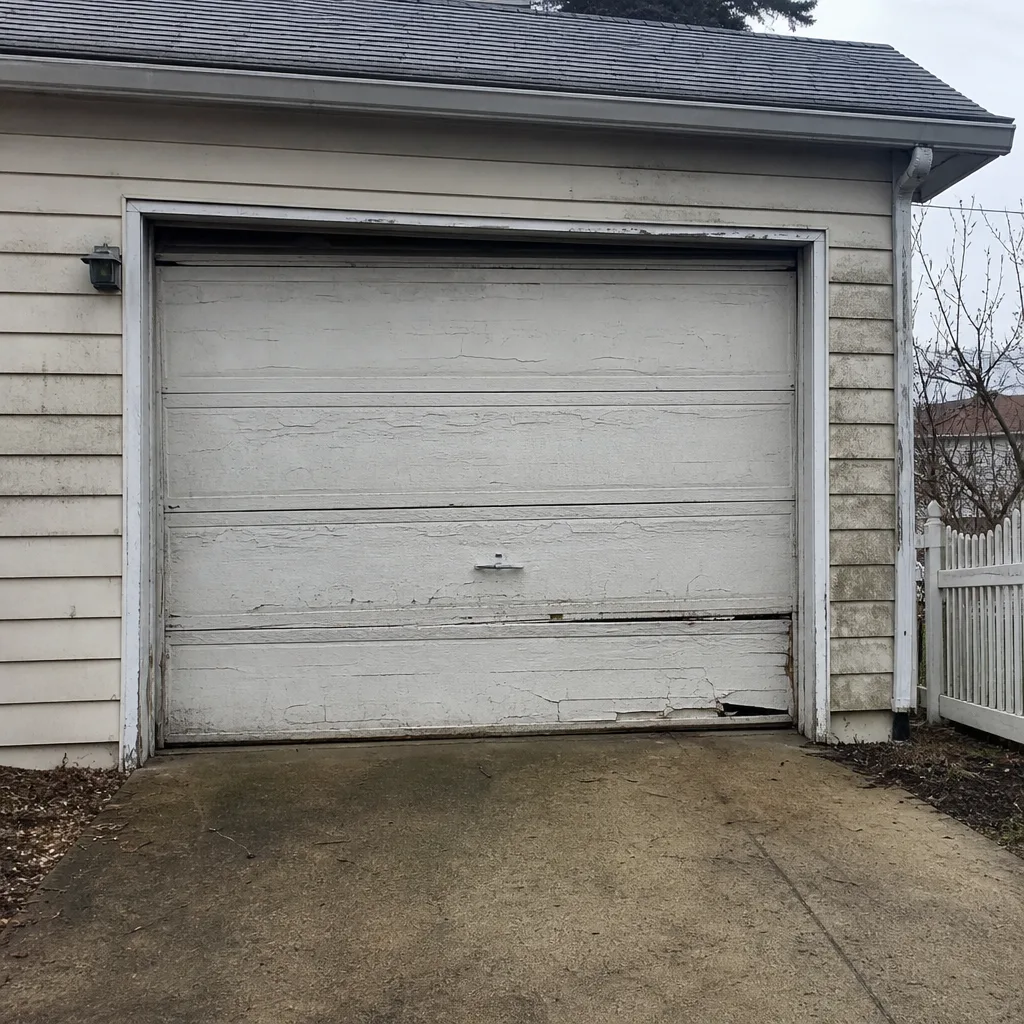
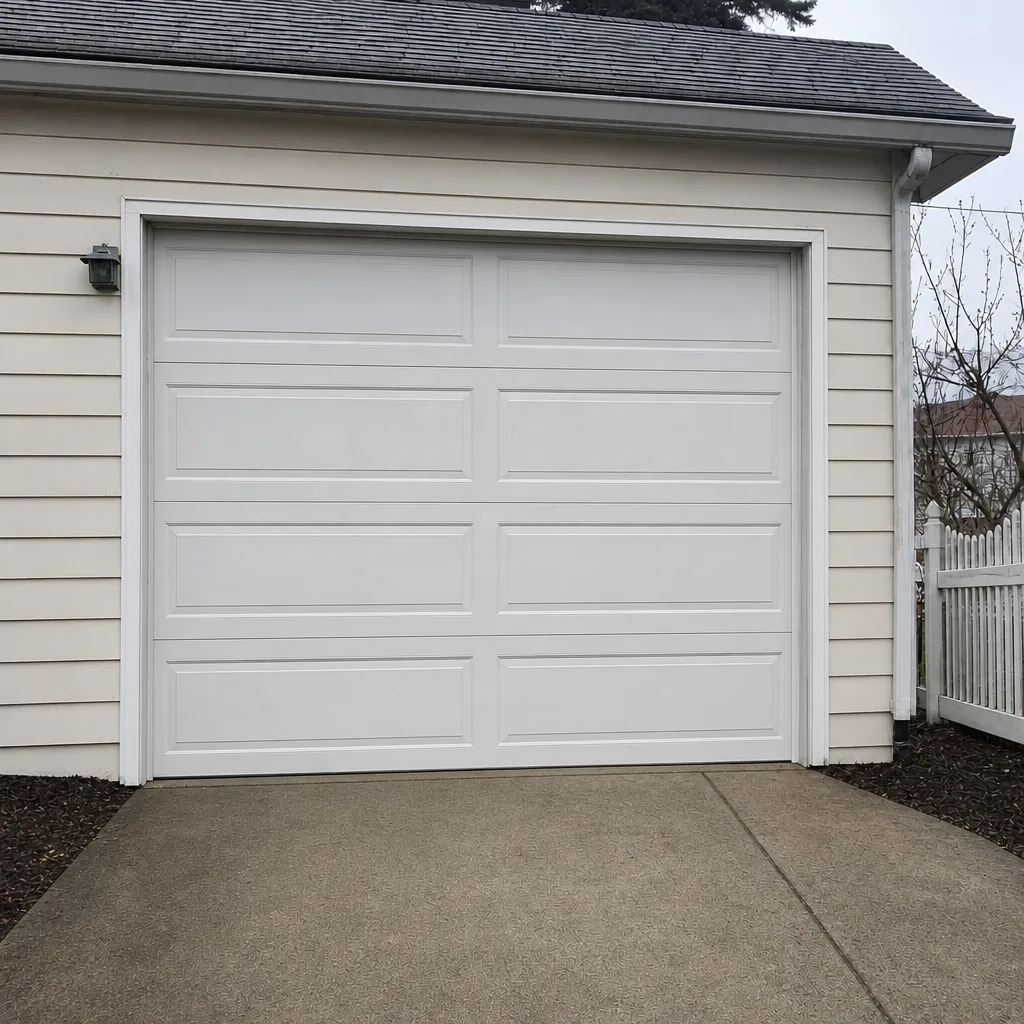
See the difference
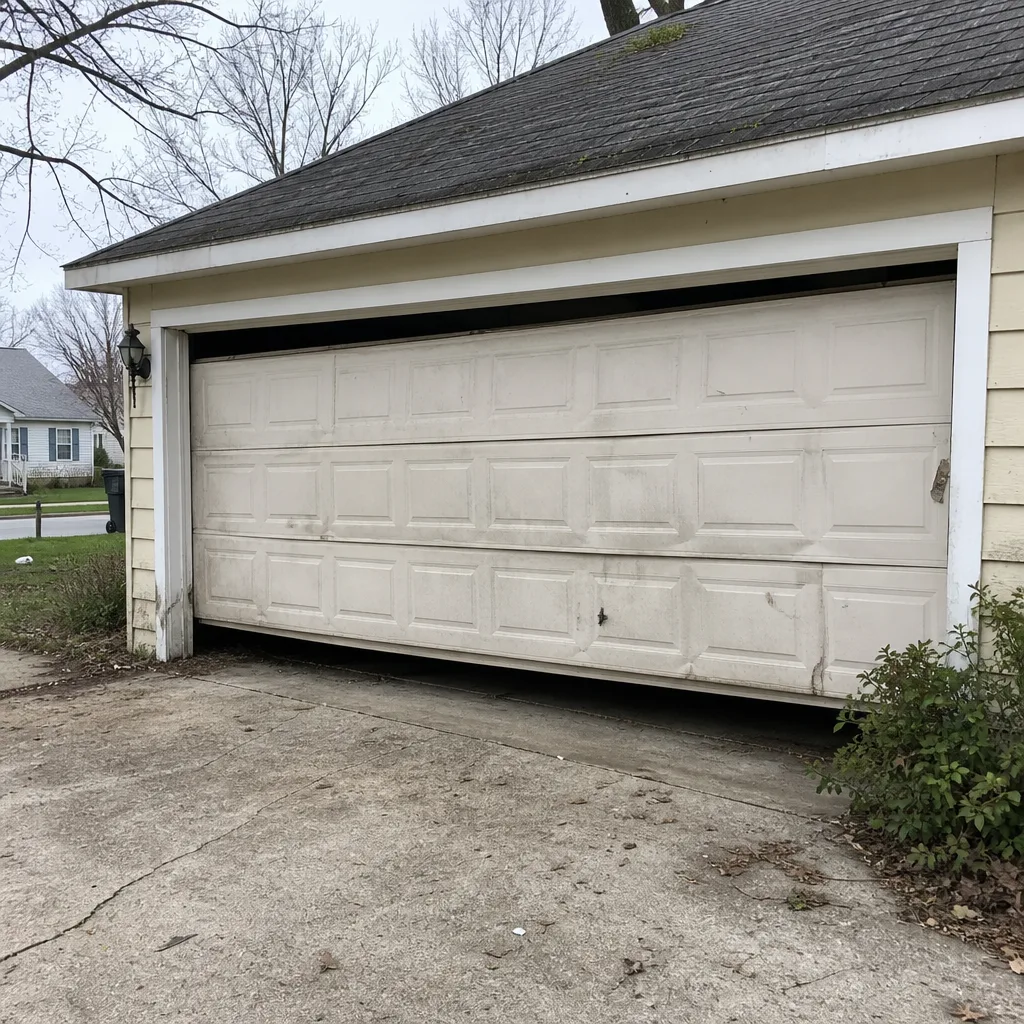 Before
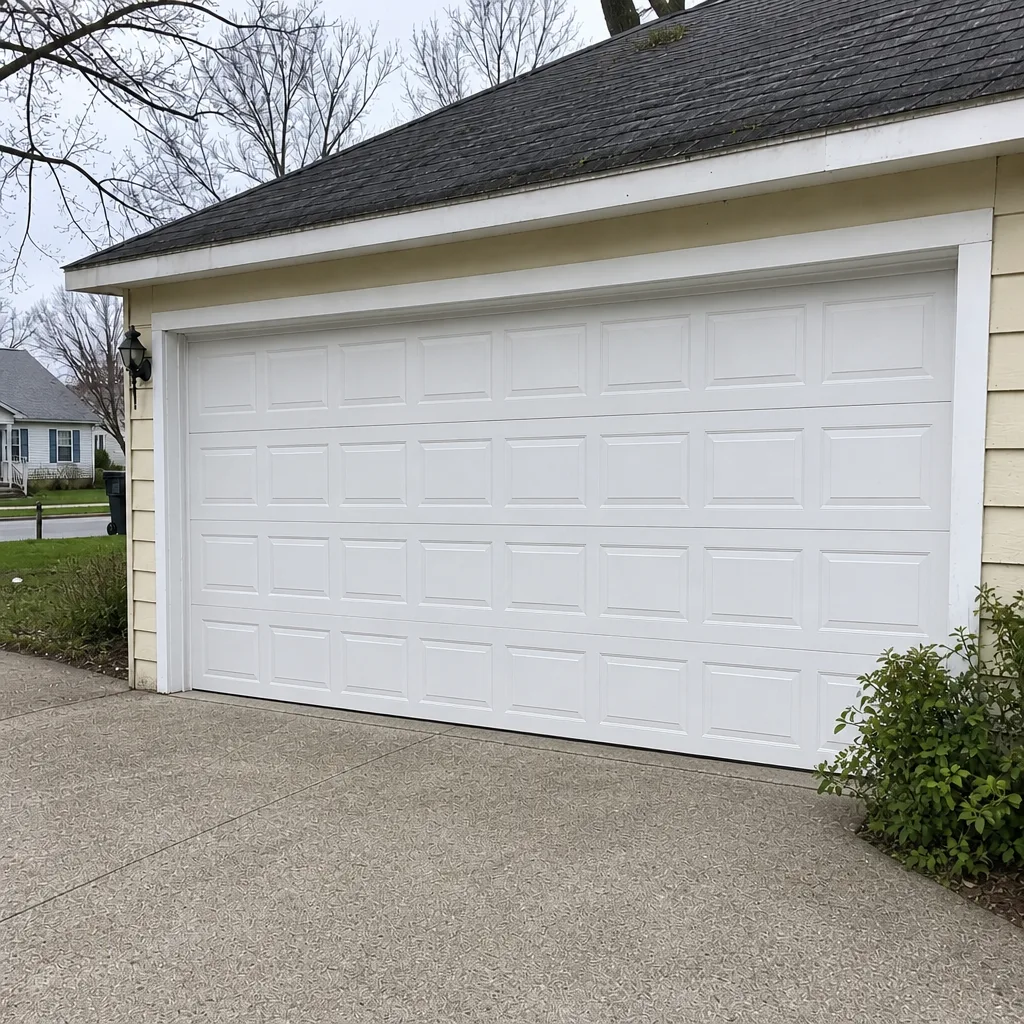 After
 Before
 After
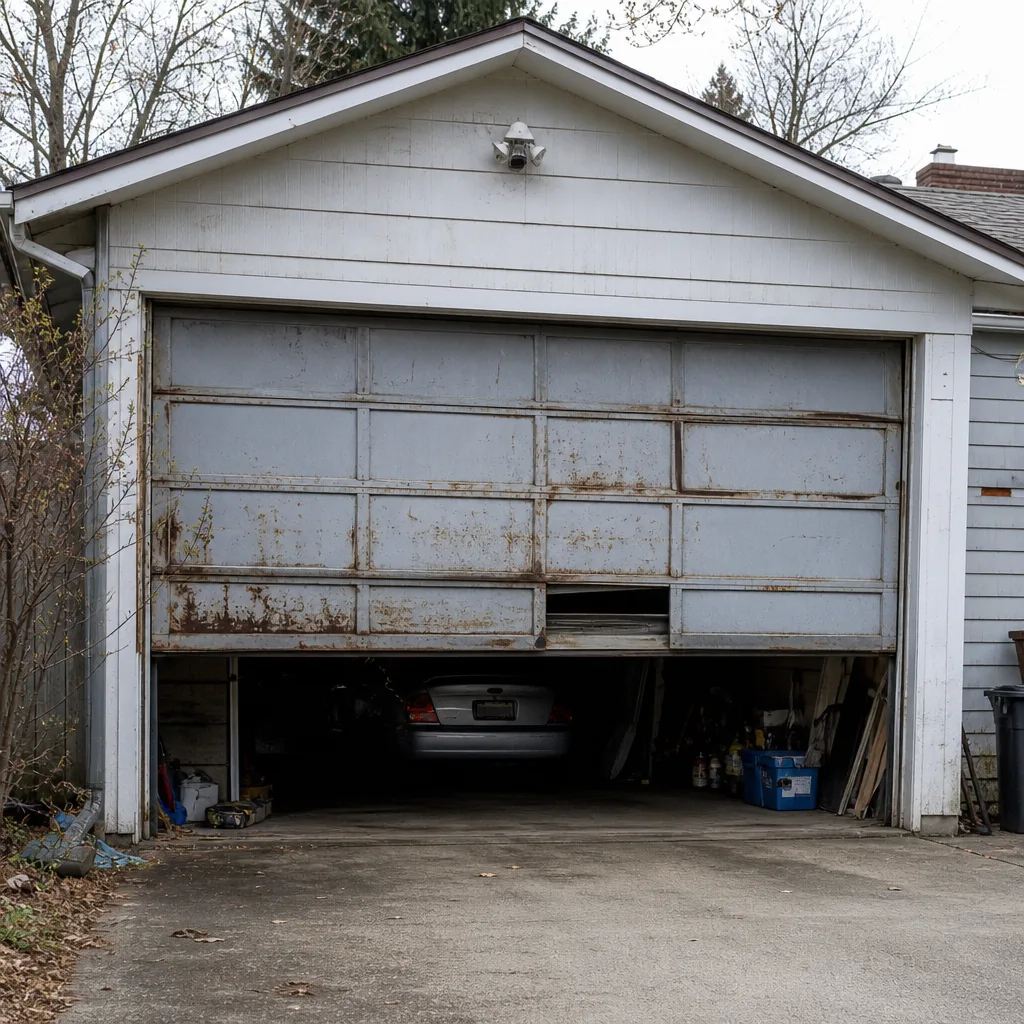 Before
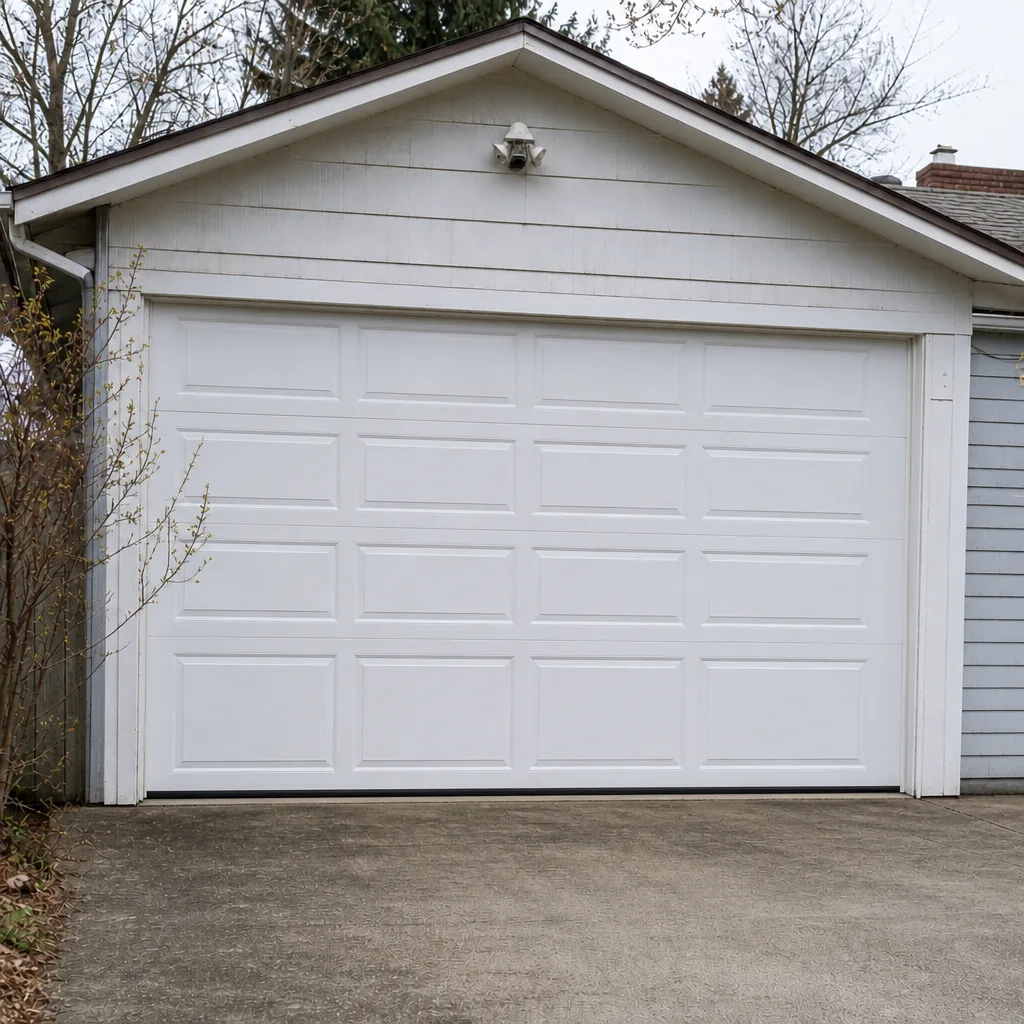 After
When to Call a Professional
Call a professional for anything involving spring tension, opener electronics, track alignment, or a door that’s stuck open or closed. Those are the situations where an amateur attempt tends to make the repair bigger. A noisy door, a door that’s slow to close, and a sensor that’s blinking are all worth a call too, because they’re early warnings rather than emergencies. Mount Washington Garage Door Repair offers free estimates in Mount Washington, and we service LiftMaster, Chamberlain, Genie, Clopay, Amarr, Wayne Dalton, Craftsman, and Raynor. We handle the spring, the opener, and the door in a single visit when the problem is mechanical and electrical at the same time. Call (855) 525-7051. We answer 24/7. Fast dispatch from 7am to 7pm, Sunday through Friday.
Frequently Asked Questions
Pull the red manual release cord hanging from the opener’s trolley to disconnect the door from the motor, then lift the door by hand from the bottom center. If your opener has a battery backup, the door may still operate normally for a limited number of cycles. If pulling the cord doesn’t free the door, the trolley is likely seized and needs a technician.
Spring replacement is quoted per job after we see the door, and a written estimate is agreed before any work starts. Spring pricing depends on whether you have torsion or extension springs, the wire size, and whether one or both springs are being replaced. A matched pair is usually replaced together, so the pair costs roughly twice a single spring. Call (855) 525-7051 for an exact quote. Estimates are free.
Yes, for emergency situations like a door that won’t close, a spring that’s snapped, or a car trapped inside the garage, we can typically dispatch the same day. We answer 24/7, and dispatch runs from 7am to 7pm, Sunday through Friday. Call (855) 525-7051 and tell us what the door is doing.
Some models do, and some don’t. Belt-drive LiftMaster and Chamberlain models with the battery built in are the most common ones that ship with a backup; chain-drive and older models often don’t. Check the label on the motor housing for the model number and we can tell you. The battery itself is a sealed pack that needs replacing every few years.
No. We quote a price and agree on it before any work starts, and that’s the number on the invoice. If we find something unexpected during the repair, we stop and tell you before going further. Call (855) 525-7051 for an exact quote. Estimates are free.
The local professionals we connect you with are licensed and insured as their state requires. We can work with your insurer if a repair is part of a claim. Call (855) 525-7051 if you have questions about the work or the coverage.
Check the safety sensors at the bottom of the tracks first; a blinking light means they’re misaligned or blocked, and that will stop the door from closing. If the sensors are fine and the door still stops short, don’t force it and don’t bypass the sensors. Call us and we’ll diagnose it. We answer 24/7.
The Bottom Line
Preparedness comes down to a few things done before the emergency. Test the manual release cord while the power is on. Know whether your opener has a battery backup and what it takes to replace it. Document your opener model, spring size, and door dimensions so a technician arrives with the right parts. Never force a door with a broken spring, and never disable the safety reverse. In Mount Washington, where the garage is often the main entry, those habits are the difference between a quick repair and a day spent locked out of the house. Our technicians have up to 14 years of experience with the brands on your door and the opener above it.
Contact Us
Mount Washington Garage Door Repair handles spring repair, opener repair, full door installation, and emergency garage door service in Mount Washington. Call (855) 525-7051 for a free estimate. We answer 24/7. Fast dispatch from 7am to 7pm, Sunday through Friday. The price is quoted and agreed before any work starts, so you know the number before anything gets touched.
Written by the team at Mount Washington Garage Door Repair.