
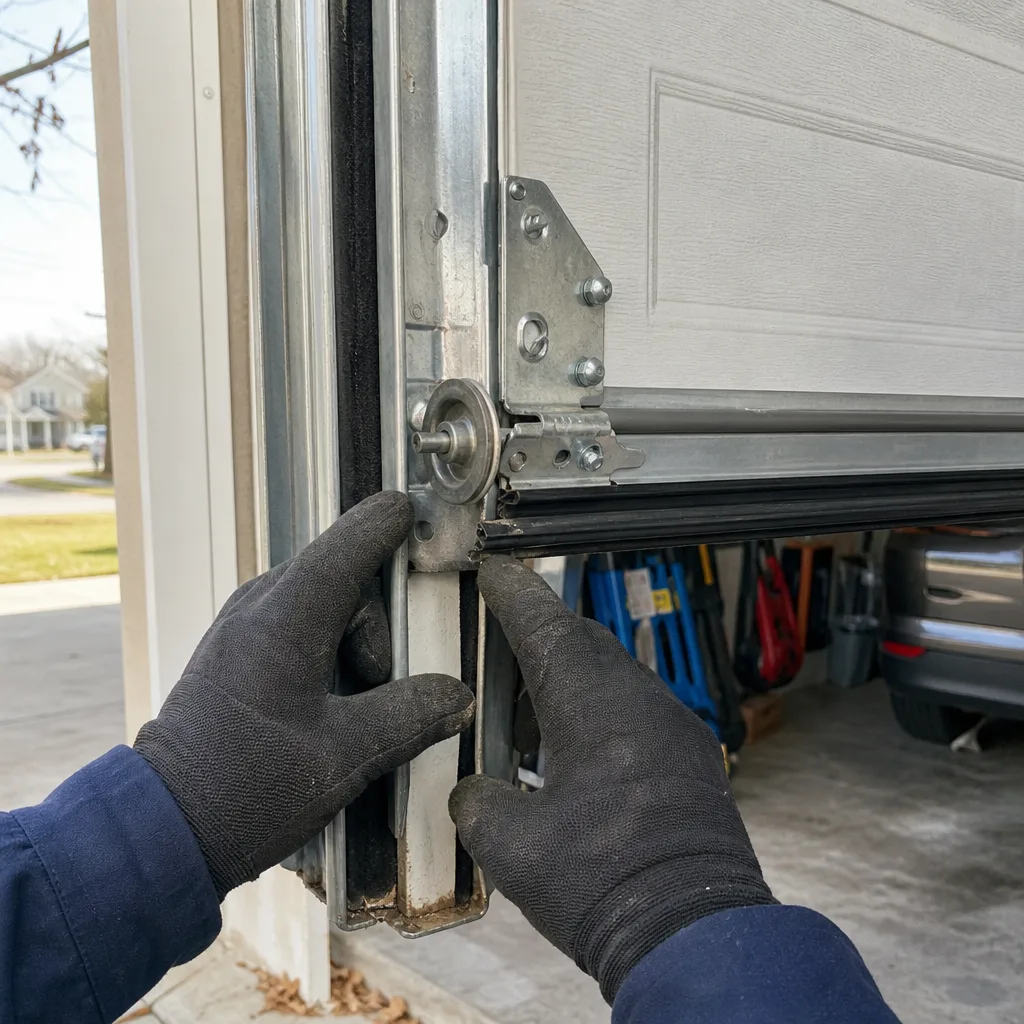
Last updated November 21, 2026
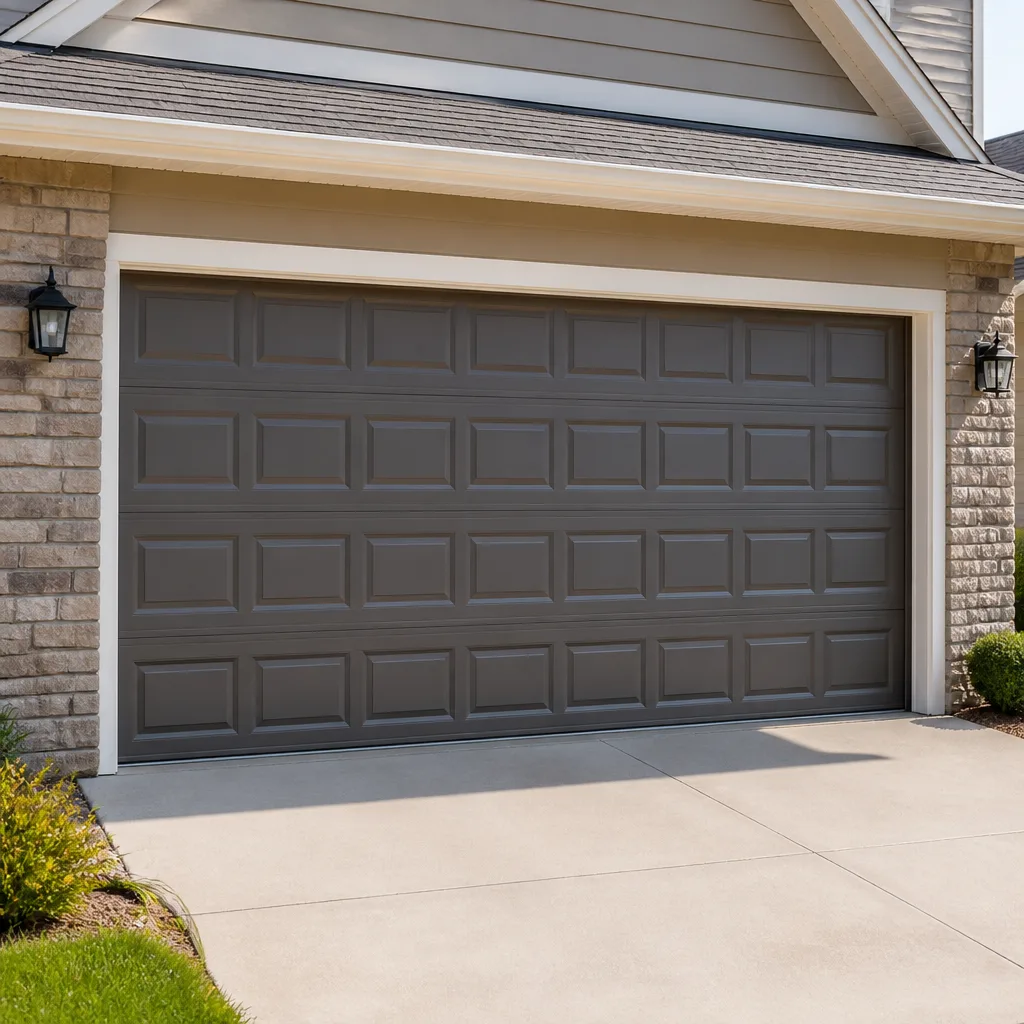 Raised-panel steel
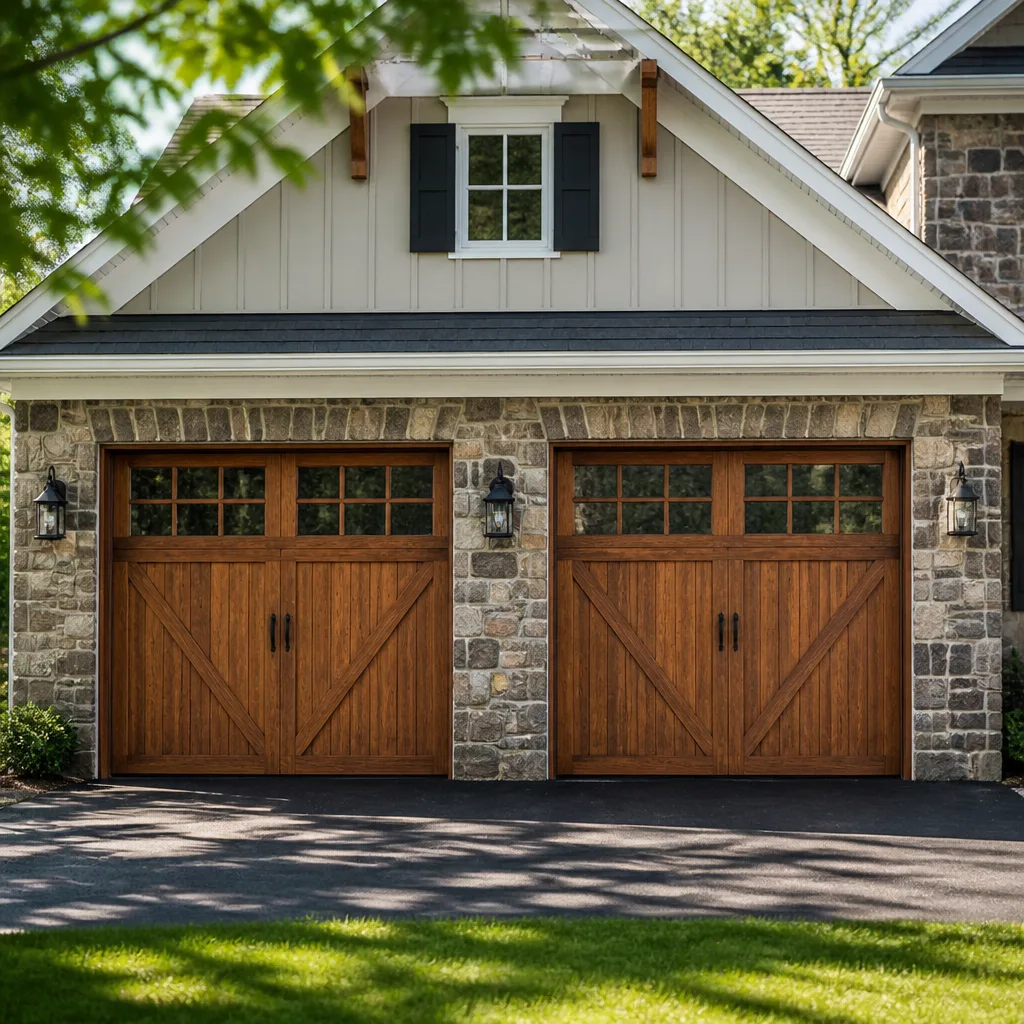 Carriage house
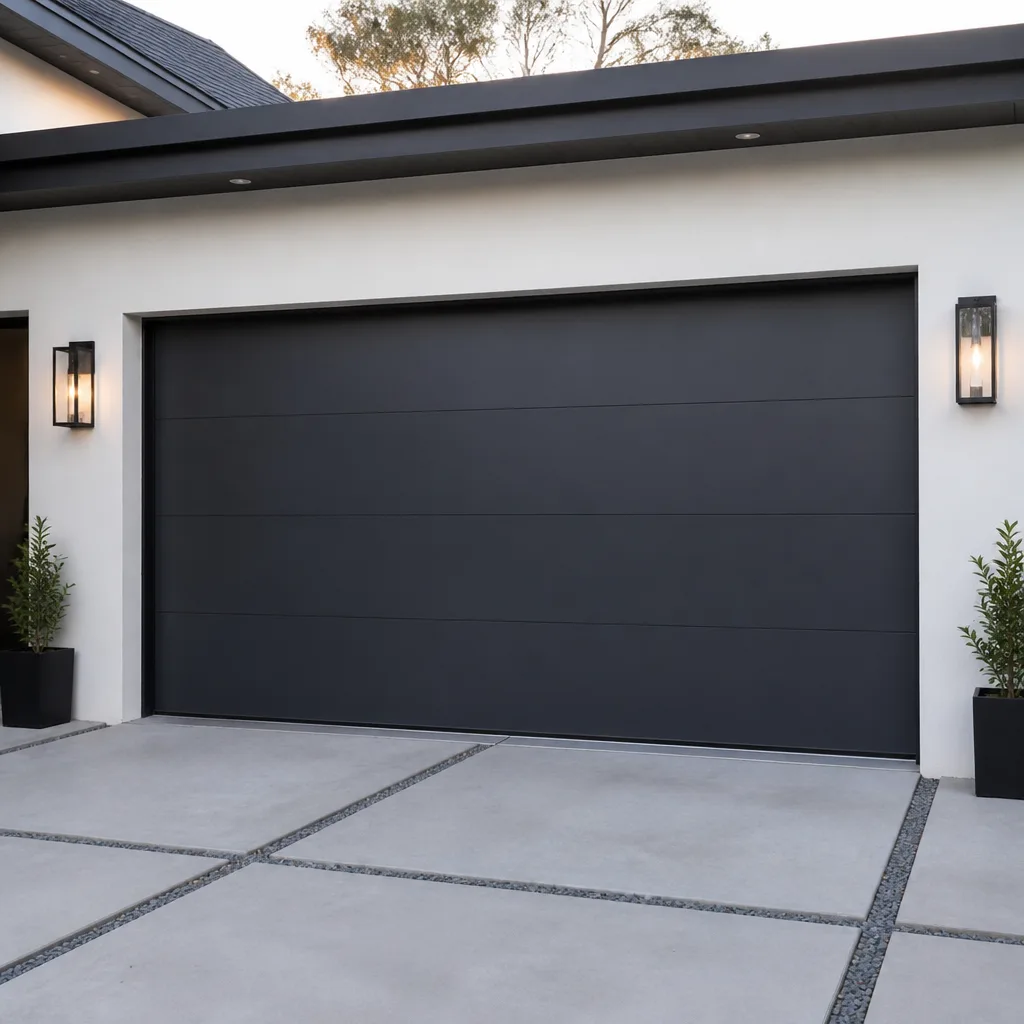 Modern flush
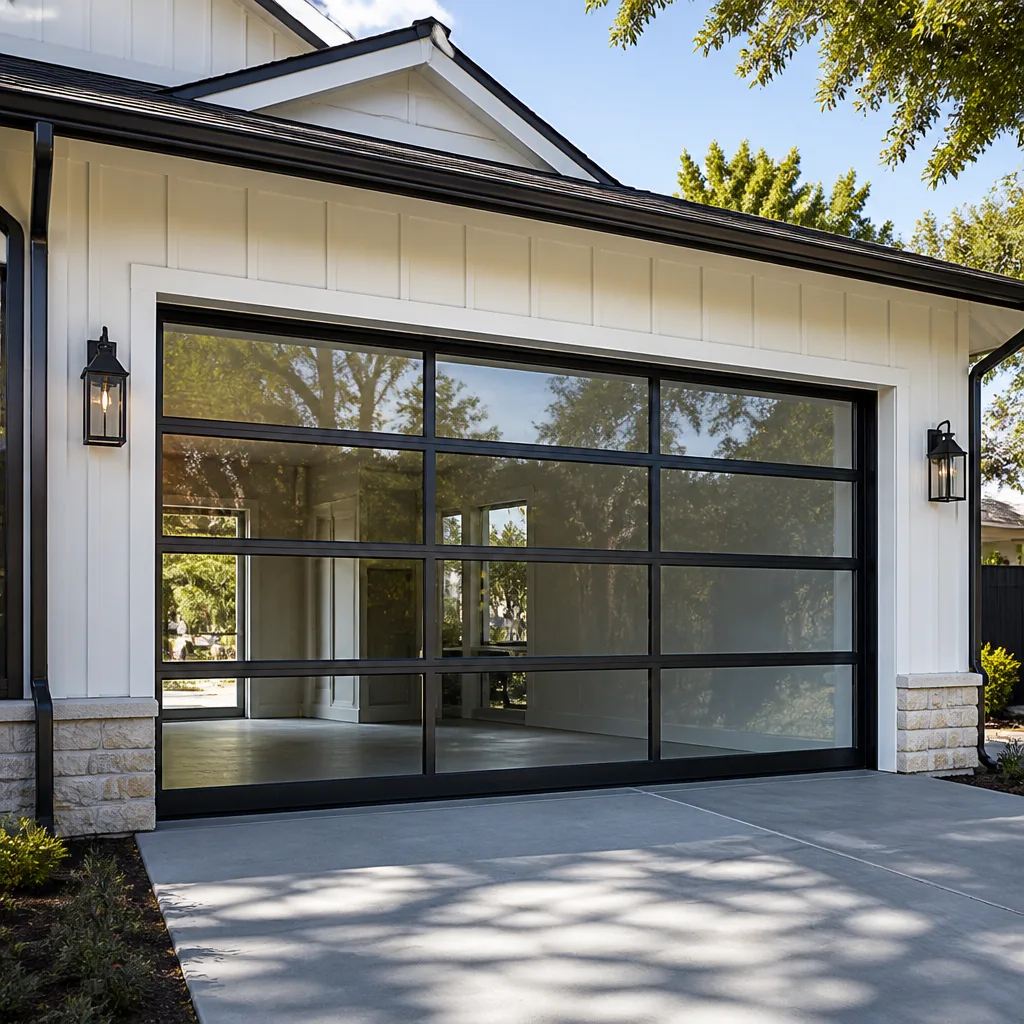 Full-view glass
 LiftMaster openers
 Chamberlain openers
Full 25-point door and opener safety check with every visit - springs, cables, rollers, tracks, and your LiftMaster or Chamberlain opener included
You get a price before we start. It does not change when the pro arrives.
Get your free estimateGarage Door Warning Signs: A Mount Washington Homeowner’s Reference Guide
A garage door that hesitates for half a second before closing isn’t “just getting old.” That little pause is often one of the clearest early indicators that the opener’s down-force limit is compensating for a failing spring, and that spring is typically weeks away from snapping. The difference between a small roller replacement and a much larger cable-and-drum repair is frequently just a few weeks of ignoring early symptoms. This guide translates the sounds, movements, and visual cues your door is already giving you into plain language, so you know what’s urgent, what can wait, and what you should never ignore. We’ve watched this exact sequence play out on doors across Mount Washington, and the pattern is remarkably consistent.
Quick Answer
A garage door that grinds, scrapes, shudders, reverses on its own, or hesitates before moving is warning you about a mechanical failure that’s already underway. The three most urgent signs are a snapped spring (the door won’t lift or slams down), a loose or frayed cable, and any door that closes on its own or won’t stay open. Everything else – a rattling roller, a squeaky hinge, a sluggish remote – usually gives you time to schedule a repair, but none of it fixes itself.
Styles & brands we work with
- Raised-panel steel
- Carriage house
- Modern flush
- Full-view glass
- LiftMaster openers
- Chamberlain openers
Table of Contents
- What Your Garage Door’s Sounds Are Telling You
- The Visual Tells Most Homeowners Miss
- Opener Behavior: When It’s the Logic Board, Not the Remote
- The Balance Test: A Safe Way to Check Your Spring System
- Urgency Tiers: Call Today vs. Schedule This Week vs. Monitor
- What Mount Washington’s Climate Does to Your Door
- Why the Brand on Your Door Matters for Diagnosis
- Common Mistakes to Avoid
What Your Garage Door’s Sounds Are Telling You
Your door has been making the same sounds every day, so your brain filters them out. That’s exactly why a new sound is easy to miss until something fails. The good news: each type of noise points to a specific component, and knowing which one is failing helps you decide how fast to act. Here’s how we separate them.
Grinding: Usually a Roller or Bearing
A low, steady grind as the door moves up or down typically means a roller has lost its bearing or a hinge has dried out. It’s rarely an emergency, but it accelerates wear on the track. Left alone for months, a seized roller can gouge the track itself, turning a cheap fix into a track replacement. This is a schedule-it repairable.
Scraping or Whining: Often the Cable Drum
A metallic scrape, or a whine that gets louder as the door climbs, often traces to a cable riding wrong on the drum or a drum that’s worn. Cables are under heavy tension, and a frayed one can whip loose. That’s a call-today sound, not a wait-and-see one.
A Loud Bang Followed by Silence: A Snapped Spring
If you heard what sounded like a firecracker from the garage, then the door wouldn’t open, a torsion spring has almost certainly snapped. Torsion springs are under extreme tension – this is not a DIY repair. Call a professional and leave the door closed until someone trained can look at it.
Binding or Popping: The Torsion Spring
A pop or bind at the same point in travel usually means the torsion spring is losing tension unevenly or the shaft has shifted. It won’t snap dramatically, but it will fail, and the force it takes to lift the door climbs every week in the meantime.
The Visual Tells Most Homeowners Miss
Sound is only half the story. A quick visual check – done with the door closed and the opener disconnected, never with hands near the springs – catches problems before they get loud. These are the four things worth looking at.
- Cable slack. With the door closed, the lift cables should sit taut and evenly wound on the drums. A cable that sags or looks loose is a serious safety issue and a call-today problem.
- An uneven gap at the floor. If one side of the door meets the floor and the other side shows daylight, the door is out of level. That points to a stretched cable, a worn drum, or a failing spring, not just an adjustment.
- Rust patterns. Surface rust on the bottom panel is cosmetic. Rust that follows a seam at the top of the door, or that appears around hinges and rollers, is structural and means the panel or hardware is degrading. In Mount Washington, our humid summers and freeze-thaw winters speed up both kinds.
- Bent or worn rollers. Rollers should be round and spin freely. A flat-spotted or cracked roller is cheap to replace and expensive to ignore.
If you see a loose cable or a badly uneven gap, don’t run the door to “test” it. Call (855) 525-7051. We answer 24/7, and dispatch runs 7am to 7pm, Sunday through Friday.
Opener Behavior: When It’s the Logic Board, Not the Remote
Most people blame the remote or the battery when the opener misbehaves. But the pattern of the failure usually tells you whether it’s the remote, the safety sensors, or the logic board itself. If your opener flickers its lights, delays before responding, or reverses for no reason, that points to the board, not a dead battery in the fob.
Here’s how we read it:
- Delayed response or a half-second pause before moving. The opener is straining against more resistance than it expects. Usually a failing spring or roller, occasionally a logic board issue.
- Lights flicker on their own. A power or board problem, not a mechanical one.
- Door reverses as it nears the floor. Often the safety sensors or a misjudged down-force limit. When the down-force limit compensates for a weak spring, the opener is working harder than it should, and the board can trigger a reversal.
- Reverses in mid-travel. More often a logic board or encoder problem than anything mechanical.
We handle garage door opener repair as a separate specialty for exactly this reason: opener electronics and smart-home integration behave differently from the mechanical door, and the two problems look alike at the wall switch. Most opener issues are diagnosed and resolved in a single visit.
The Balance Test: A Safe Way to Check Your Spring System
You can check whether your springs are doing their job without touching the torsion system. The balance test tells you if the opener is carrying weight it shouldn’t. Do it with care, and stop the moment anything feels unstable.
Before you start: never put your hands near the springs, cables, or drums. If the door won’t stay up on its own, stop and call us. A door that won’t hold is a spring that’s already failing.
- Close the door fully.
- Pull the red emergency release cord to disconnect the opener. The door should not drop.
- Lift the door by hand about halfway up. Then let go.
- A properly balanced door stays put, roughly halfway. A door that sinks down on its own, or shoots up, means the springs are out of balance.
- If it sinks fast or won’t stay up, close it, re-engage the opener only if you’re sure it’s safe, and call us.
This is a check, not a repair. Garage door springs are under extreme tension – this is not a DIY repair, and adjusting the torque on a torsion system is the single most dangerous garage door task there is. If the balance test fails, that’s your cue to call, not to grab a wrench.
Urgency Tiers: Call Today vs. Schedule This Week vs. Monitor
Not every warning sign is a same-day emergency, and treating it that way wastes money. Treating a real emergency as a “wait and see” costs more and risks injury. Here’s how we sort warning signs, from “call now” to “keep an eye on it.”
Call Today (Emergency)
- A snapped torsion spring, or a door that won’t stay open.
- A door that won’t close, leaving the house unsecured, or a door trapping a vehicle inside.
- A loose or visibly frayed cable, or a door that slams down.
- Any door that comes off its track.
Schedule This Week
- A grinding roller or squeaky hinge that persists after a lube check.
- A sluggish opener, or a remote that only works up close.
- A door that reverses inconsistently near the floor.
- An uneven gap at the floor you can see daylight through.
Monitor
- Surface rust on the bottom panel with no seam involvement.
- A door that runs smoothly but is getting noisier over several months.
- An opener that’s working but you’ve never had a professional look at it.
If you’re not sure which tier your door falls into, call us and describe what you’re hearing. We can usually tell you the likely cause and how fast it needs attention. Call (855) 525-7051. We answer 24/7. Fast dispatch from 7am to 7pm, Sunday through Friday.
What Mount Washington’s Climate Does to Your Door
Mount Washington sits at elevation, with cold winters, humid summers, and enough freeze-thaw cycles to work hardware loose over a season. That pattern shows up on garage doors here in specific ways. Mount Washington Garage Door Repair sees these patterns on doors throughout the neighborhood.
- Cold mornings are spring-break season. Torsion springs lose some tension in cold weather, and a spring that was already near the end of its life is most likely to snap on the first cold morning of the winter.
- Humidity rusts seams. Summer humidity settles into the seams and around hinges and rollers, and rust that starts at a seam is the structural kind worth watching.
- Freeze-thaw loosens hardware. Bolts and hinges work a little loose each cycle. A rattling door in late winter often just needs a torque check and a roller look.
- Snow and ice buildup under the door. Ice at the threshold, when the door is forced against it, strains the opener and can bind the track.
Neighborhoods up here – around Greenspring, over near Pimlico, and along the older tighter-driveway streets off Northern Parkway – have their share of older Amarr and Clopay doors, many with the original hardware. Those doors need the same seasonal visual check and a professional look whenever a sound changes.
Why the Brand on Your Door Matters for Diagnosis
A garage door is a system, and every brand has its own quirks. A LiftMaster opener with a failing logic board doesn’t present the same way a Genie does. A Wayne Dalton door with a TorqueMaster spring system doesn’t fail the way a standard torsion set up does. And a Chamberlain opener with smart-home integration can throw a “remote lost” error that’s really a board or signal issue.
We’re factory-familiar with eight of the major brands – LiftMaster, Chamberlain, Genie, Clopay, Amarr, Wayne Dalton, Craftsman, and Raynor. That means when we arrive, we already know the specific failed component patterns for your system, so we spend our time fixing it instead of diagnosing it from scratch. We work on the brand you already have. If your door is a Clopay or Amarr, we know the panel and hardware specs. If it’s a Wayne Dalton or a Raynor with a legacy spring system, we’ve seen that failure pattern before.
That brand knowledge also keeps you from getting a replacement pitch when a repair will do. A worn roller is a roller. A failing opener board is a board. Only when the door itself is structurally compromised does replacement become the conversation – and if it does, we handle that too, so you don’t need a second company.
If your repair turns into a replacement conversation, you can ask about garage door installation at the same visit rather than starting the search over.
Common Mistakes to Avoid
- Greasing the torsion spring. A spring isn’t supposed to be greased. Oiling the wrong component can trap grit, and getting near the torsion system is dangerous. Lube the rollers, hinges, and tracks – never the spring coils.
- Pulling the emergency release on a loaded door. If the door is partly up and the springs are weak, pulling the release can drop it fast. Know the door’s balance before you touch the release in Mount Washington’s cold months, when springs are most likely to be near failure.
- Adjusting the down-force limit to make a slow door close. Raising the down-force limit to force a closed door over a failing spring hides the real problem and puts more strain on the opener and the door. Fix the spring, don’t dial around it.
- Replacing the opener when the spring is the problem. A new opener on a failing spring fails too. Diagnose the door before you buy electronics.
- Ignoring a small gap at the floor. Daylight under one side isn’t a “close enough” tune-up. It’s a stretched cable or worn drum, and it gets worse.
- Running a bent door on its track. A door off its track can come down. Stop running it and call.
- Waiting for the “right time” on a noisy roller. A seized roller can chew the track. A scheduled fix is cheap; a track replacement isn’t.
See the difference
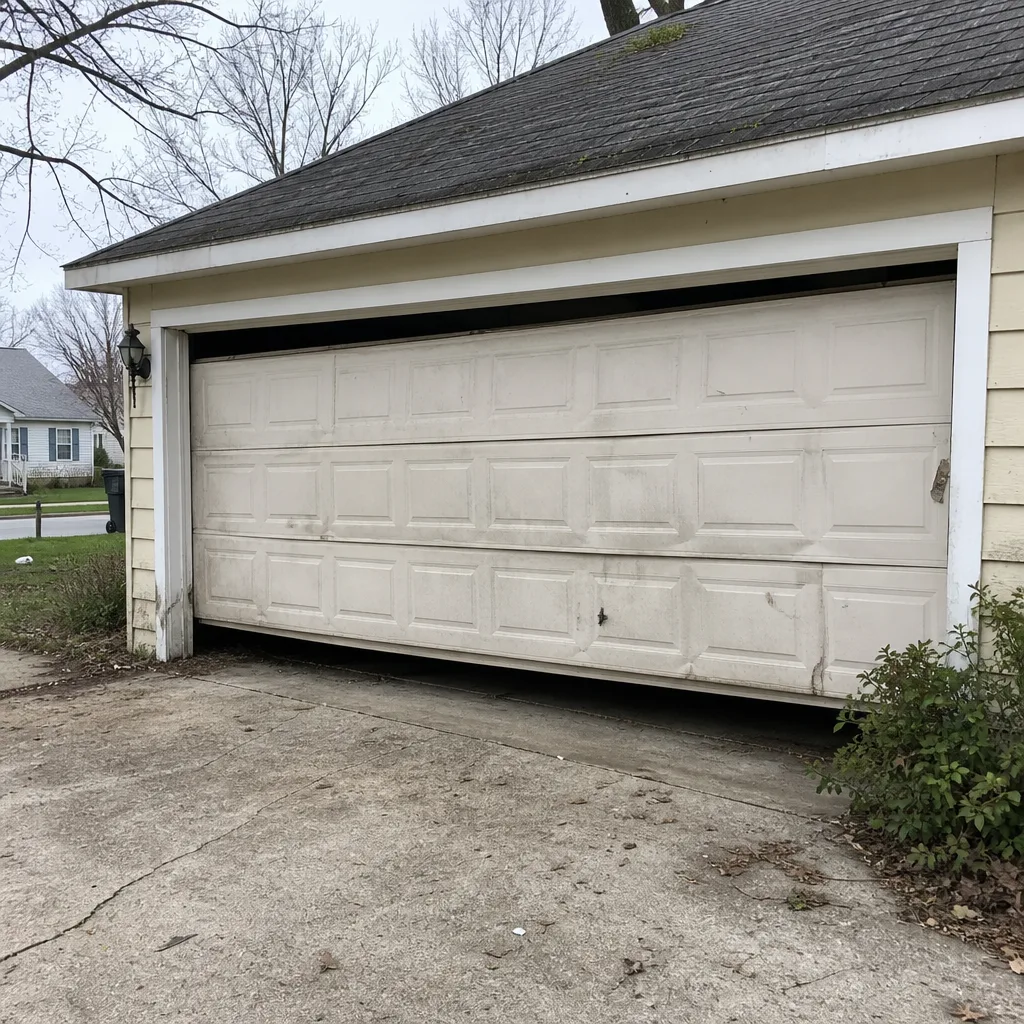 Before
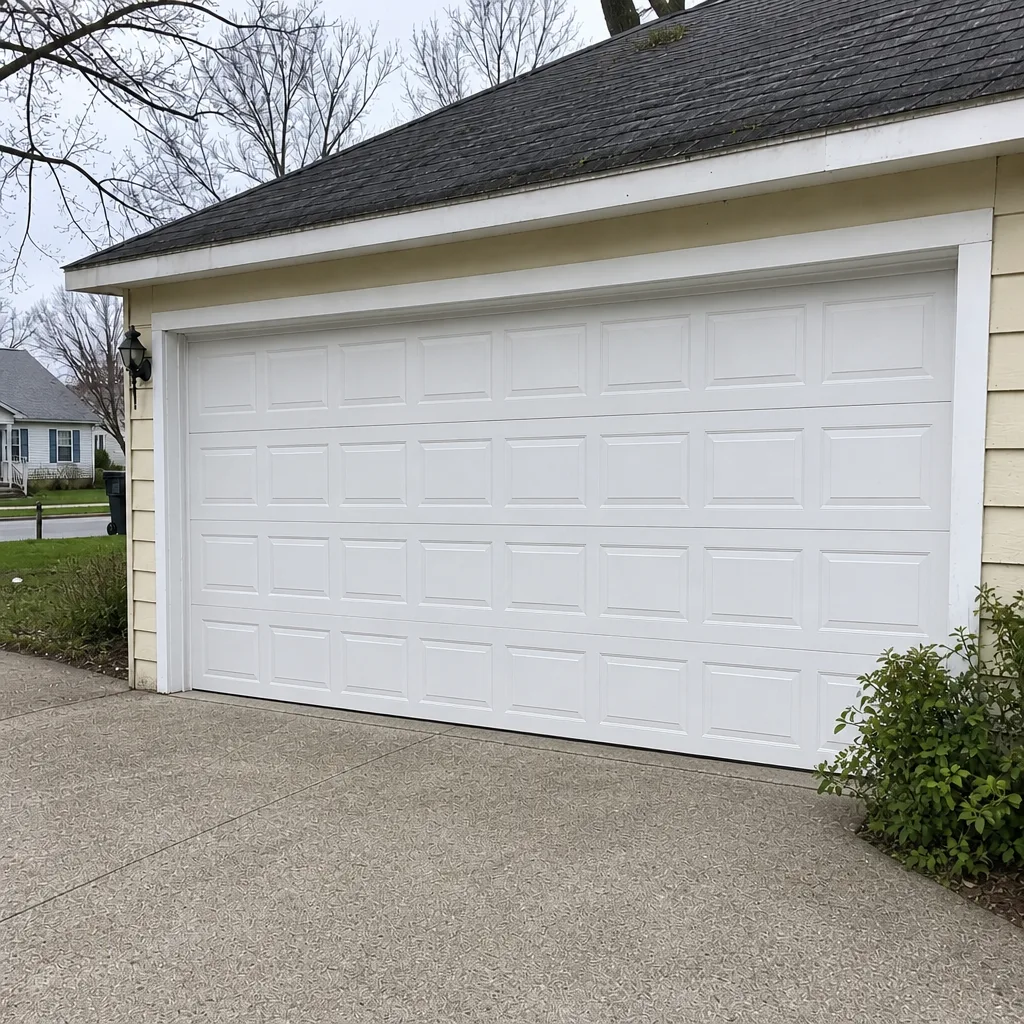 After
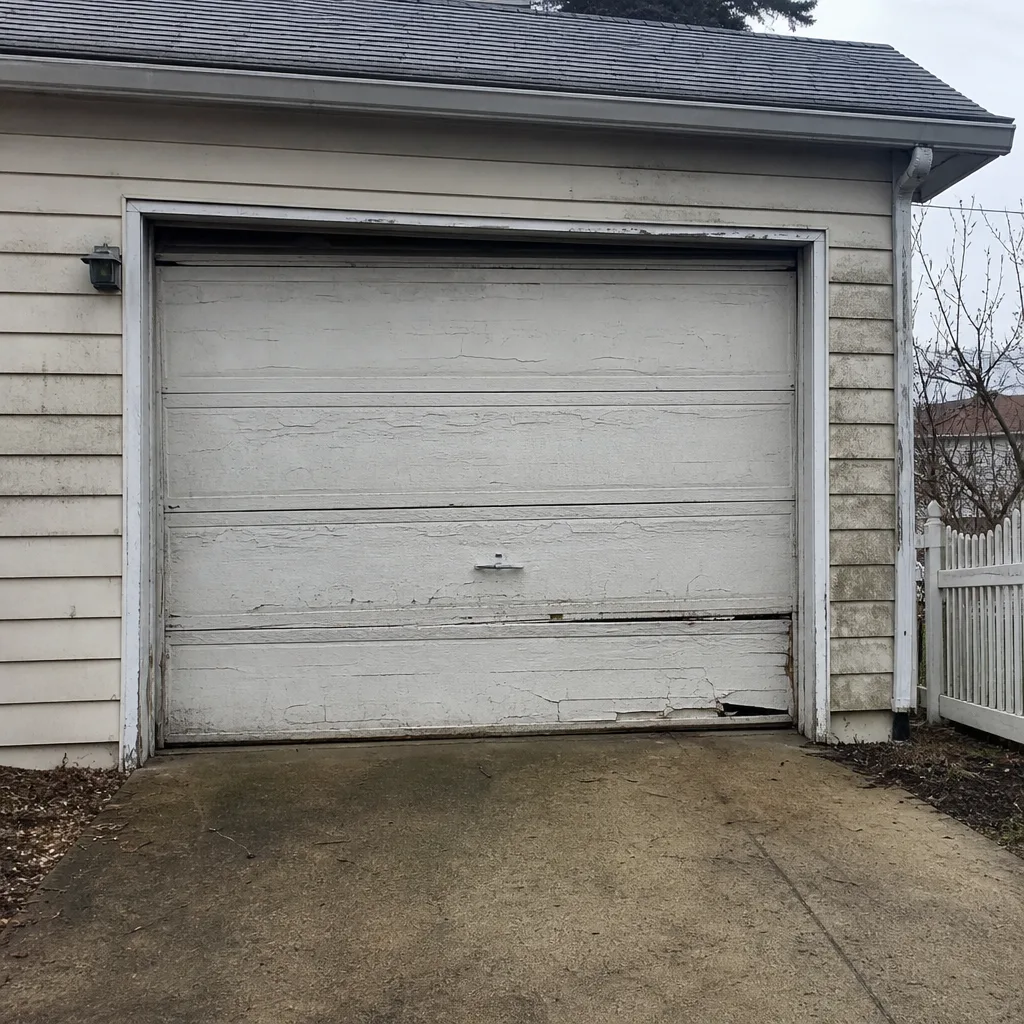 Before
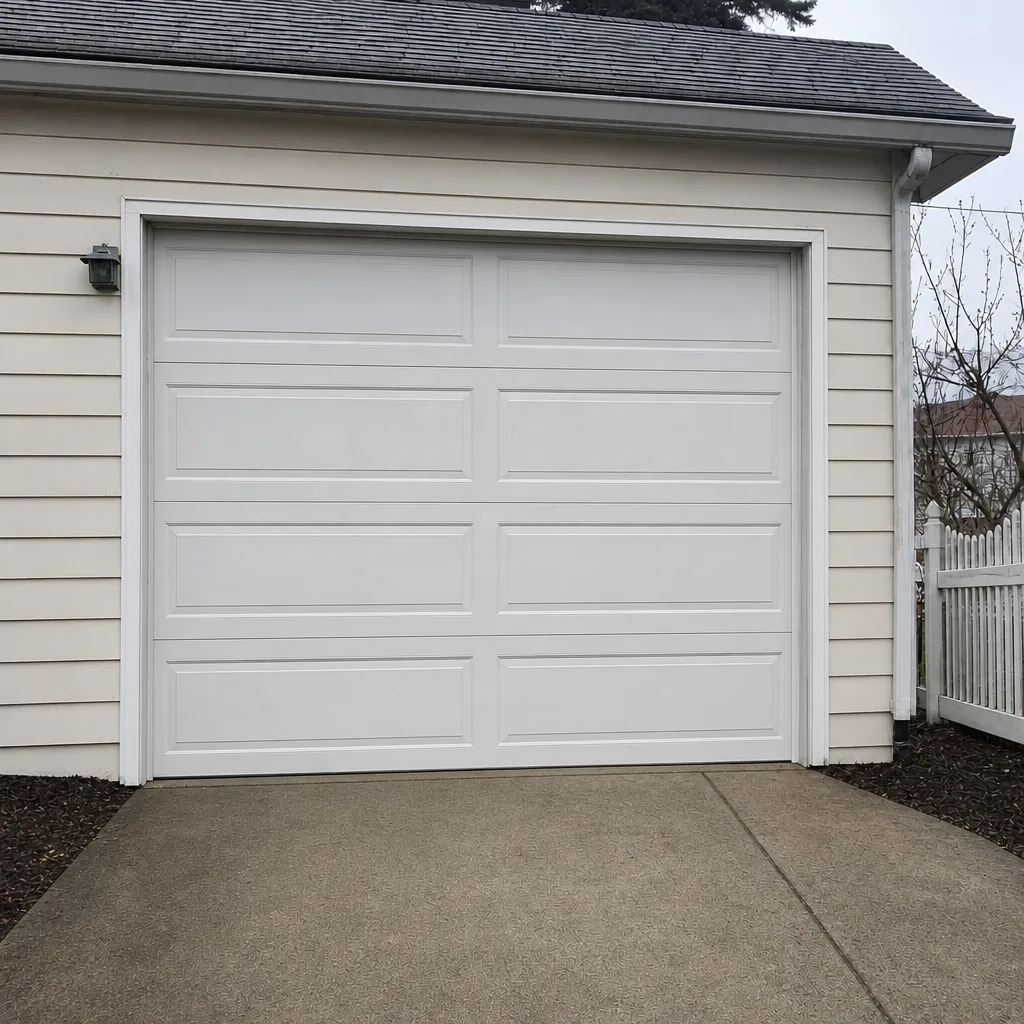 After
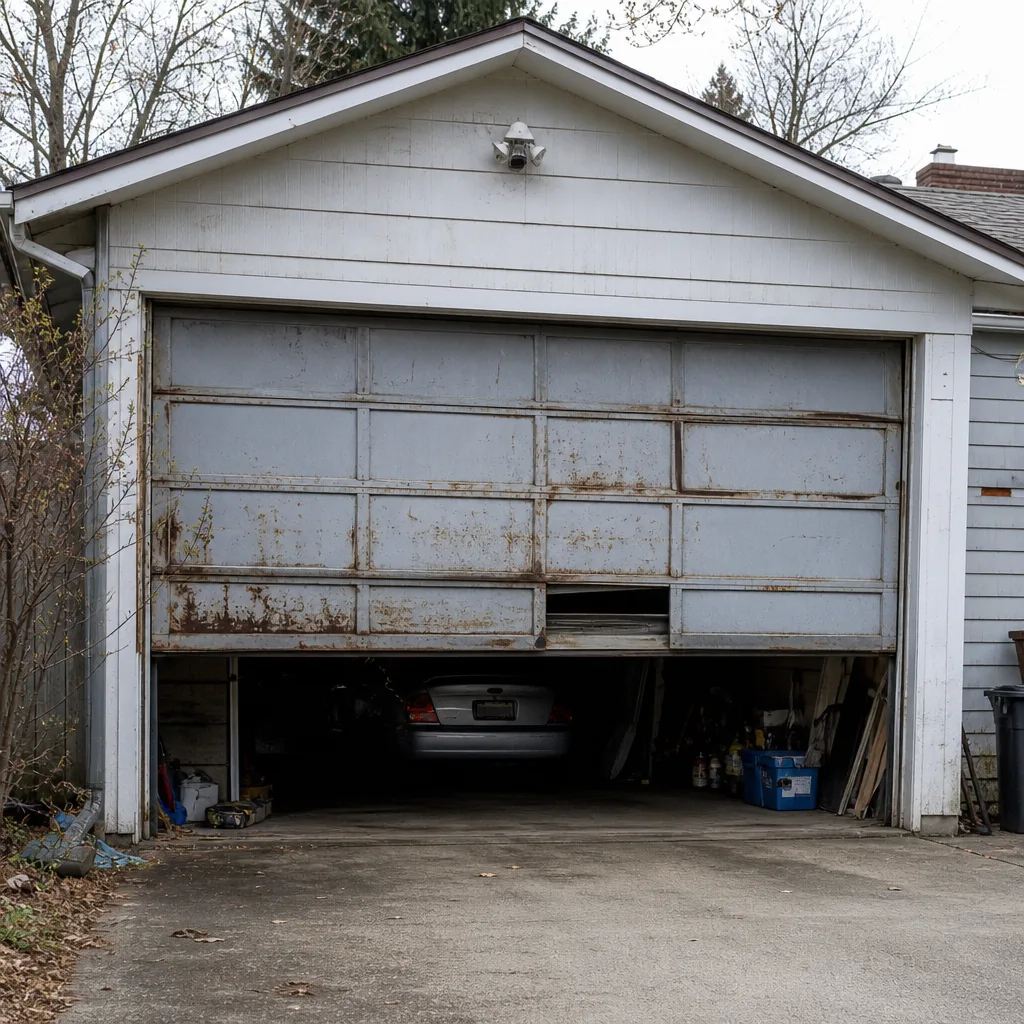 Before
 After
When to Call a Professional
Call a professional for anything involving the springs, cables, or drums. Those parts are under extreme tension, and a mistake there can cause serious injury. Also call when the door won’t close or stay open, when it comes off the track, when the opener reverses for no reason, or when you hear a bang followed by silence. If you’re not sure, describe it to us. Garage door repair is the core of what we do, and no repair is too small to look at. Mount Washington Garage Door Repair offers free estimates in Mount Washington – call (855) 525-7051.
Frequently Asked Questions
The first sign is usually a door that hesitates or struggles at one point in its travel, followed by the opener having to work harder. A loud bang from the garage and a door that won’t open is a snapped spring. Call (855) 525-7051 for an exact quote – estimates are free.
No. Garage door springs are under extreme tension, and adjusting or replacing them is the most dangerous garage door task there is. The failure can be sudden and severe. That’s a job for a trained technician.
Pricing depends on the spring type and the door, and we quote per job with a written estimate before any work starts, so there’s no surprise invoice. Call (855) 525-7051 – estimates are free.
Your written estimate sets the price. We diagnose the door, tell you what the repair involves, and agree on the price before any work begins. That’s true for a roller swap or a larger cable-and-drum repair.
Yes. A door that won’t close is a security issue and an emergency. We answer 24/7, dispatch runs 7am to 7pm Sunday through Friday, and we’re closed Saturday. Same-day service is available for urgent repairs.
Most likely, yes. We’re factory-familiar with eight major brands including LiftMaster, Chamberlain, Genie, Clopay, Amarr, Wayne Dalton, Craftsman, and Raynor. Call (855) 525-7051 and tell us what you have – estimates are free.
The Bottom Line
Your garage door tells you what’s failing before it fails, if you know what to listen and look for. A grind usually means a roller, a scrape usually means a cable drum, and a bind or pop usually means the spring. A door that hesitates, reverses on its own, or shows daylight at the floor is already asking for a repair, not a tune-up. Sort the signs into call-today, schedule-this-week, and monitor, and you’ll avoid the expensive repairs that start as cheap ones. And when in doubt – especially with springs or cables – never put your hands near the tension. Call us and we’ll help you sort it out.
Mount Washington Garage Door Repair handles garage door repair, spring repair, opener repair, installation, and emergency service for the brands on your home. Our technicians have up to 14 years of experience, we handle both the mechanical door and the opener system in a single visit, and we can work with your insurer where needed. Call (855) 525-7051 for a free estimate. We answer 24/7. Fast dispatch from 7am to 7pm, Sunday through Friday. Closed Saturday.
Written by the team at Mount Washington Garage Door Repair.