
Last updated November 21, 2026
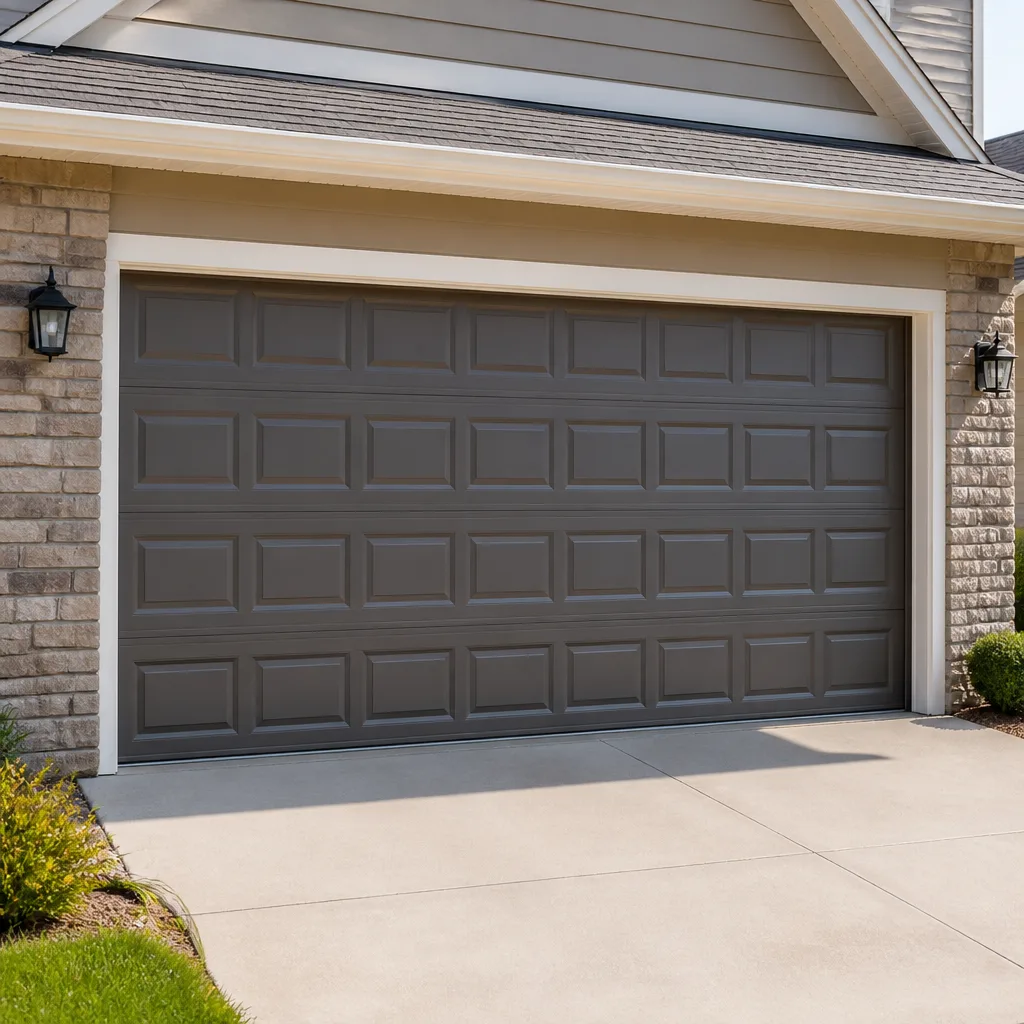 Raised-panel steel
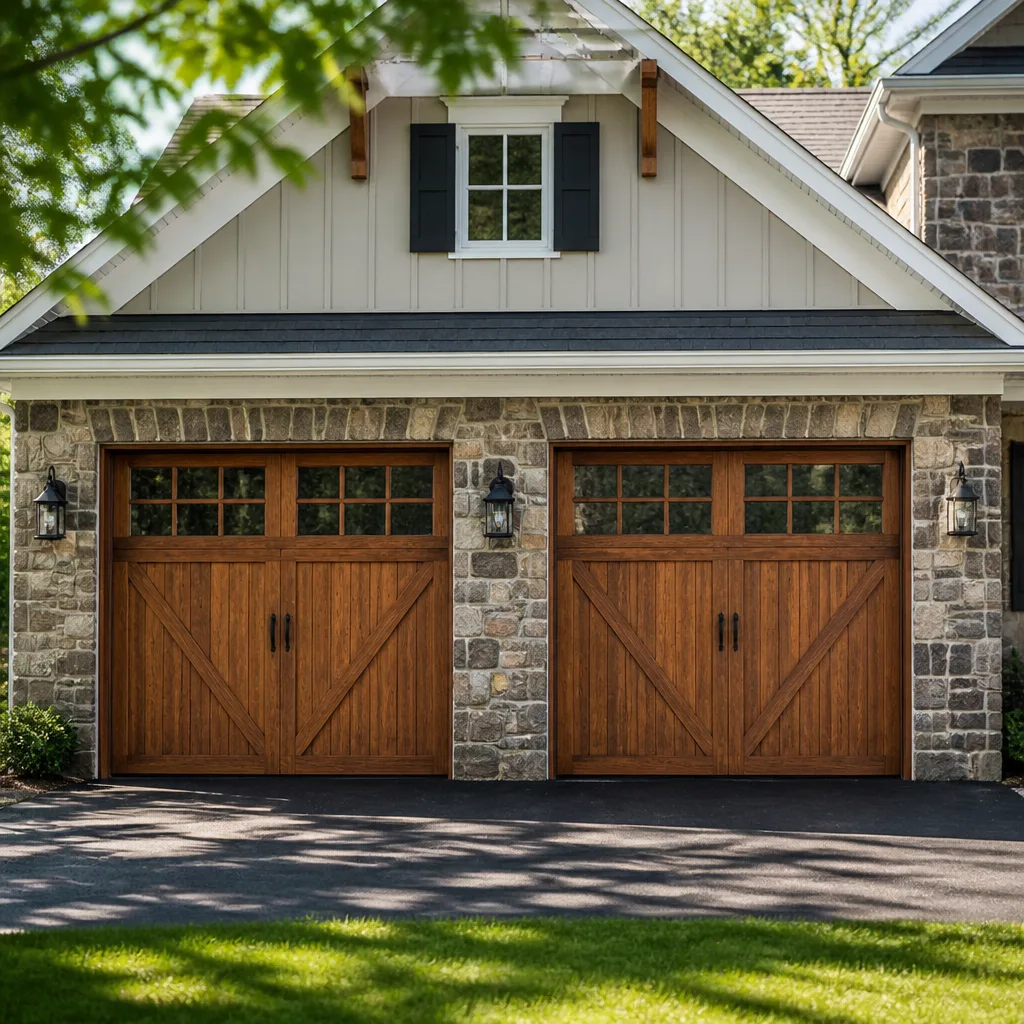 Carriage house
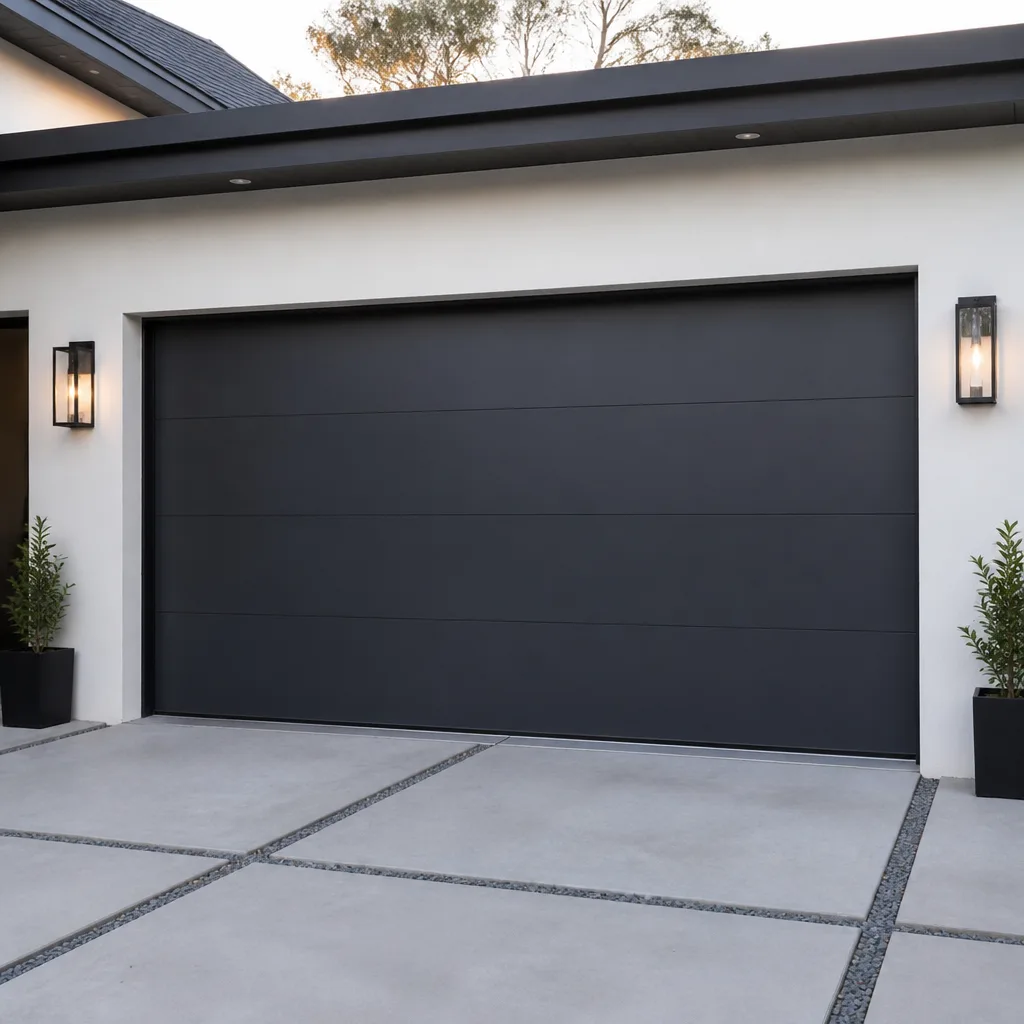 Modern flush
 Full-view glass
 LiftMaster openers
 Chamberlain openers
Full 25-point door and opener safety check with every visit - springs, cables, rollers, tracks, and your LiftMaster or Chamberlain opener included
You get a price before we start. It does not change when the pro arrives.
Get your free estimateHow to Hire a Garage Door Contractor in Mount Washington: A Step-by-Step Guide
Here’s the part most homeowners get backwards. When a garage door fails, the instinct is to collect three quotes and pick the lowest number. But cheap quotes only compare fairly if every contractor is quoting the same diagnosis, and most aren’t. A specialist will ask what brand your opener is and whether your spring is torsion or extension before saying much of anything. A generalist will quote a full replacement before opening the door. This guide walks you through hiring a garage door contractor in Mount Washington the way it should be done: verify the license, ask the questions that reveal a specialist, read the quote line by line, and understand the warranty before you sign. It’s built for homeowners who want the door fixed correctly the first time, not patched by whoever answered the phone.
Quick Answer
To hire a garage door contractor in Mount Washington, verify the contractor’s Maryland Home Improvement Commission (MHIC) license number before they arrive, ask three diagnostic questions on the phone to see whether they specialize in garage doors or treat them as a side job, insist on a written itemized estimate that separates parts from labor, and confirm the warranty covers both. A specialist identifies your existing system by brand and model, sources the correct parts, and only recommends replacement when a repair genuinely can’t hold. That last point matters more than people expect, because a generalist with a garage door section in the truck will often price a full replacement when a smaller repair is the honest answer.
Styles & brands we work with
- Raised-panel steel
- Carriage house
- Modern flush
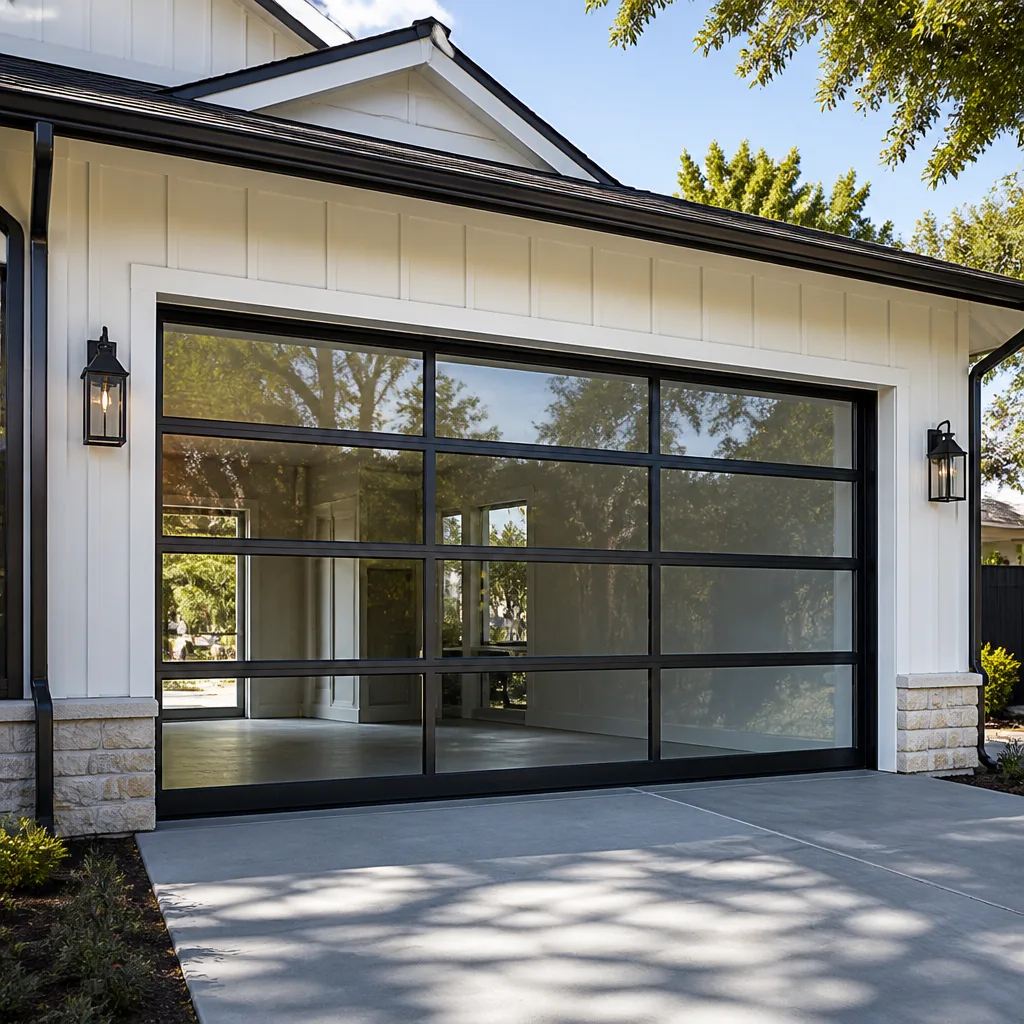
- Full-view glass
- LiftMaster openers
- Chamberlain openers
Table of Contents
- The Three Phone Questions That Separate Specialists From Generalists
- What Maryland MHIC Licensing Covers and How to Verify It
- How to Read a Garage Door Quote Line by Line
- Red Flags in Quotes and Sales Tactics
- How to Compare Quotes Fairly When the Recommendations Differ
- What a Legitimate Warranty Looks Like, and the Loopholes to Watch
- Torsion vs. Extension Springs: Why the Answer Changes the Quote
- When You’re Ready to Book the Work
The Three Phone Questions That Separate Specialists From Generalists
The phone conversation is where you learn the most about a garage door contractor, and you don’t need to be an expert to run it. Three questions, asked before you book a visit, will tell you whether you’re talking to someone who works on garage doors every day or someone who added them to a broader handyman list. The specialist’s answer is specific. The generalist’s answer is vague or defensive.
- “Based on my description, do you think this is a spring problem or an opener problem?” The specialist will ask a follow-up or two, because springs and openers fail in completely different ways. A snapped spring usually prevents the door from opening, while an opener problem often shows up as inconsistent travel, a door that reverses, or a remote that stopped working. If the person on the phone can’t describe that difference, that’s a signal.
- “What brand openers do you service?” A specialist names brands without pausing, because most homes in the Mount Washington area have common equipment. LiftMaster and Chamberlain are the most widely installed, and Genie turns up in older homes where the original opener was never replaced. We work on the brand you already have, which is why we’re factory-familiar with LiftMaster, Chamberlain, and Genie systems, plus Clopay, Amarr, Wayne Dalton, Craftsman, and Raynor.
- “Will the technician bring parts for my brand, or will this be a diagnostic visit with a follow-up trip?” This one catches generalists. A company that services garage doors daily knows the common parts and can often complete a repair in a single visit. A company without that depth will book you for a diagnosis and schedule the actual work later.
Ask them during the same call. The specialist will have no trouble answering all three. The generalist will give you something like “we’ll look at it when we get there,” and that answer, more than the quote, tells you what you’re getting.
What Maryland MHIC Licensing Covers and How to Verify It
Maryland requires home improvement contractors to hold a license from the Maryland Home Improvement Commission (MHIC). If a garage door repair or installation in Mount Washington is being done for compensation, the company doing it should be licensed, and you can verify the license before anyone arrives. This is not a formality. The MHIC framework exists to protect homeowners during home improvement work, and checking takes a few minutes. The specific rules and current requirements are set by the state, so confirm the details at the source rather than relying on what a contractor tells you.
Here’s how most people verify coverage, in the order that matters:
- Ask for the MHIC license number on the phone. A legitimate contractor provides it without hesitation. A refusal or a stall is your answer.
- Look the number up on the MHIC’s own database. Go to the state’s official search tool, not a company website, and confirm the name and status match what you were told.
- Ask about insurance. Ask directly whether the company carrying out the work is insured and bonded, and what those policies cover. The local pro who performs the work should be licensed and insured as the state requires.
- Get the contractor’s name and the license number in writing on the estimate. A legitimate quote carries them. A quote that doesn’t is worth asking about.
One clarification worth stating plainly: what you’re verifying is the credential of the professional who actually performs the work. When you hire through a connection service, the license and insurance belong to the local professional, so ask whose name is on the work and check that name. This is normal and expected in the trade. Any contractor who’s been around treats it as routine.
How to Read a Garage Door Quote Line by Line
A garage door estimate should be detailed enough that you can point at any line and know what it covers. The best quotes separate parts from labor, name the specific components being replaced, and state whether the price includes disposal, hardware, and adjustment. The phrase “labor included” on a single lump sum is not the same as an itemized estimate. When you compare quotes for a garage door job in Mount Washington, compare the line items, not the totals.
Here’s what a credible line-item structure looks like, as a general guide rather than a fixed price sheet:
- Springs. Listed by type, torsion or extension, and by quantity. A matched pair is normally replaced together, so a quote that names one spring on a two-spring door should say so and explain why.
- Cables and drums. Named separately if they’re being replaced. Cables take a lot of load and are typically replaced as a set when there’s visible wear.
- Rollers and hinges. Often listed as hardware sets. Ask how many are included.
- Opener. If the opener is being replaced or repaired, the brand and model should appear on the quote. A bare “opener replacement” line leaves too much open.
- Labor. Shown as its own line, separate from parts.
- Disposal or haul-away. Small line on some quotes, absent on others. Ask where it goes.
- Warranty terms. Parts and labor each have their own coverage; both should be stated.
Prices for garage door work are set per job by the written estimate, not published as a fixed number. The point of itemization isn’t to make the price smaller. It’s to show you a working diagnosis. “Springs, two torsion, matched pair, plus labor” is a diagnosis. A single line reading “repair door” is not, and it’s the most common format you’ll see from companies that don’t do this work regularly.
Red Flags in Quotes and Sales Tactics
Most of the pressure in garage door sales is soft. Nobody waves a contract at you. The pressure comes from the shape of the quote, the tone of the visit, and what’s left out. Once you know what to look for, the signals are easy to spot, and a specialist won’t show them.
- Replacement recommended before the brand is identified. If a technician recommends a full door replacement without first asking what brand your opener is, or whether you have torsion or extension springs, they’re guessing at a diagnosis. This is the single biggest flag in Mount Washington garage door quotes.
- Vague line items. “Door repair, includes parts and labor” is not a quote. A working diagnosis names the component. If you can’t tell from the estimate where the money goes, ask for an itemized version before agreeing to anything.
- Refusal to separate parts from labor. This is often how a price gets padded. A contractor who won’t itemize is asking you to take the number on trust.
- Same-day pressure. “This price is only good today” is a sales tactic, not a service fact. Garage doors fail the same way every day of the week. Nothing about the work requires you to decide on the spot.
- Springs quoted as one line for a two-spring door. A matched pair costs roughly twice a single spring, because you’re buying two. A quote that shows one price for a pair without saying so is hiding the number of parts.
- Warranty stated verbally but not on paper. If the coverage isn’t written into the estimate, treat it as zero.
- No license or insurance mentioned unless you ask. Not disqualifying by itself, but in practice the contractors who maintain credentials will usually name them.
None of these flags proves a contractor is dishonest. Plenty of honest generalists simply don’t have the depth, and their quotes show it. The point of reading for these signals is to see the gap between a specialist and a generalist before you’ve paid for a diagnosis.
How to Compare Quotes Fairly When the Recommendations Differ
The most confusing moment in hiring a garage door contractor is when one quote repairs the spring and another recommends replacing the spring assembly, the cables, the rollers, and the whole door. On paper, one number looks like a bargain and the other looks like a shakedown. Neither read is necessarily right. To compare fairly, you have to normalize the scope before you compare the totals.
Work through these steps in order:
- Write down the diagnosis from each contractor in plain language. “Torsion spring snapped, one of two, cables intact” and “broken spring assembly, replace as a set” are different claims, and you need to see them side by side.
- Identify what’s in one quote but not the other. If quote A covers one spring and quote B covers a matched pair, they’re not bids on the same job. Ask A to price a matched pair and ask B to price a single spring, so you have the apples-to-apples number.
- Ask each contractor what finding would change their recommendation. A specialist can describe, concretely, when a spring repair extends to the assembly. A generalist will usually just reassert the original recommendation.
- Confirm what’s included beyond the repair. Disposal, lubrication, adjustment, and a post-repair safety check are all worth naming. A quote that omits them isn’t wrong, but it’s not the same scope.
- Look at the warranty line on each. A cheaper repair with no parts warranty isn’t the lower cost if you’re back on the phone in a year. Whole-assembly replacements that come with better coverage are sometimes the honest call for an older door; the point is to price them against the repair, not to be sold into them.
After normalizing, most gaps shrink. The remaining gap is usually labor and the parts the contractor intends to use. That is where the real difference is, and it’s the right place to ask follow-up questions.
What a Legitimate Warranty Looks Like, and the Loopholes to Watch
A real garage door warranty names what’s covered, for how long, and what voids it. It’s on the estimate, or attached to it, in writing. It separates parts coverage from labor coverage, because those are usually different lengths. And it survives the paperwork: the work order, the receipt, and the phone call that might happen months later, all point to the same terms.
Here’s what a legitimate warranty includes, and the loopholes to look for:
- Parts and labor stated separately. A spring might carry a longer parts warranty than the labor to install it. That’s normal, but both should be named, so you know what you’re covered for at month 18.
- The specific part named. “Repair warranty” is too vague. It should say spring, cable, roller, or opener, and which of those is covered.
- Exclusion for misuse or damage. Reasonable warranties exclude dents, forced openings, and vehicle impacts. Read these exclusions and make sure they don’t extend to normal wear, which is what the warranty is supposed to cover.
- “Void if the door is operated” clauses. These exist in a small number of warranties on purpose. If the fine print says the warranty lapses if you use the door, it’s a loophole, not coverage.
- Warranty tied to a service plan or club membership you don’t want. Coverage that only applies if you subscribe monthly isn’t a warranty on the repair. Ask directly whether the warranty is unconditional on the repair itself.
- No written terms at all. If the warranty is verbal, treat it as absent. You have no way to enforce it once the technician drives away.
When you’re comparing two quotes, compare the warranties side by side. A slightly higher price with a clear parts-and-labor warranty usually beats the lower quote with nothing written down, particularly on springs, where the cost of doing the job twice is real.
Torsion vs. Extension Springs: Why the Answer Changes the Quote
Before you hire anyone in Mount Washington, find out which spring system your door has. It changes the quote, the parts, and the safety call. Torsion springs mount on a shaft above the door and do the lifting through a cable and drum system. Extension springs run along the horizontal tracks on each side and stretch as the door closes. Torsion is standard on most newer doors and heavier doors. Extension shows up on older and lighter doors, and it takes two springs, one on each side, so the parts count differs from the start.
Here’s why it matters for your quote:
- Parts count. A torsion setup may be one spring on a lighter door or a matched pair on a heavier one. A typical extension setup has two springs, one per side, so a “single spring” quote means something different on each system.
- Safety. Extension springs can fly if they break without a containment cable. Torsion springs carry stored energy on a wound shaft. Both systems are dangerous to work on, and the correct procedures differ.
- Repair versus convert. On an older extension system, some contractors recommend converting to torsion as part of a spring repair. That’s a legitimate option, but it’s a bigger scope and should be quoted as its own line item, not folded into a spring price.
Garage door springs are under extreme tension, and this is not a DIY repair. Winding, unwinding, or removing a torsion spring with the wrong tools or without the right knowledge has seriously injured experienced technicians, let alone homeowners. A specialist will tell you the same thing: this is a job for a trained professional, every time, and no video substitutes for the training. If you hire us, that’s the kind of warning you’ll get from the technician at the door before any work starts, not after.
When You’re Ready to Book the Work
The most common failure that forces a fast decision is a snapped spring, because the door won’t open and a car might be trapped inside. The other is an opener that’s stopped responding, which often gets diagnosed and resolved in a single visit. A door stuck open, or stuck halfway, is the third. If you’re in Mount Washington and dealing with any of those, the safest next step is to stop operating the door and call a technician.
Before the visit, have your MHIC questions ready, confirm the brand on your opener and door so the technician can plan parts, and ask what the estimate will include. For a repair that needs more than an opener adjustment, a proper garage door repair visit is where the diagnosis happens; for electronics and opener faults, that’s a separate category of work we handle as garage door opener repair. If a repair turns into a replacement conversation, the same technician relationship carries through to garage door installation, which means you’re not starting the hiring process over with a different company.
Mount Washington Garage Door Repair offers free estimates in Mount Washington. Call (855) 525-7051. We answer 24/7. Fast dispatch from 7am to 7pm, Sunday through Friday. Our technicians have up to 14 years of experience, and the price is quoted and agreed before any work starts.
Common Mistakes to Avoid
- Choosing on price alone without reading the scope. The cheapest quote often isn’t pricing the same job. If one contractor quotes a single spring and another quotes a matched pair, the totals aren’t comparable, and picking the lower one can mean paying twice.
- Skipping the MHIC license check. Ask for the number on the phone and look it up at the state’s database, not on a company website. The work done in your home should be by a professional who is licensed and insured as Maryland requires.
- Accepting a replacement quote before a diagnosis. If a technician recommends a full door replacement without first asking what brand opener you have or whether you have torsion or extension springs, they’re not diagnosing. They’re upselling.
- Letting same-day pressure shorten your decision. A garage door failure is urgent, but the work itself is not a flash sale. The price should be the same tomorrow. Anybody pushing you to sign today is compressing your time for a reason.
- Not asking about warranty coverage in writing. Verbal promises of “we’ll take care of it” evaporate. Get the parts and labor warranty terms on the estimate itself, and name the parts covered.
- Trying the spring yourself. Springs are under extreme tension. Even one bad turn can release stored energy into your hand or face. It’s worth the call, not the risk.
- Ignoring the opener brand when choosing a contractor. Some brands behave differently, and a specialist is familiar with the specifics. We handle LiftMaster, Chamberlain, Genie, Clopay, Amarr, Wayne Dalton, Craftsman, and Raynor equipment, which means no brand-guessing visit.
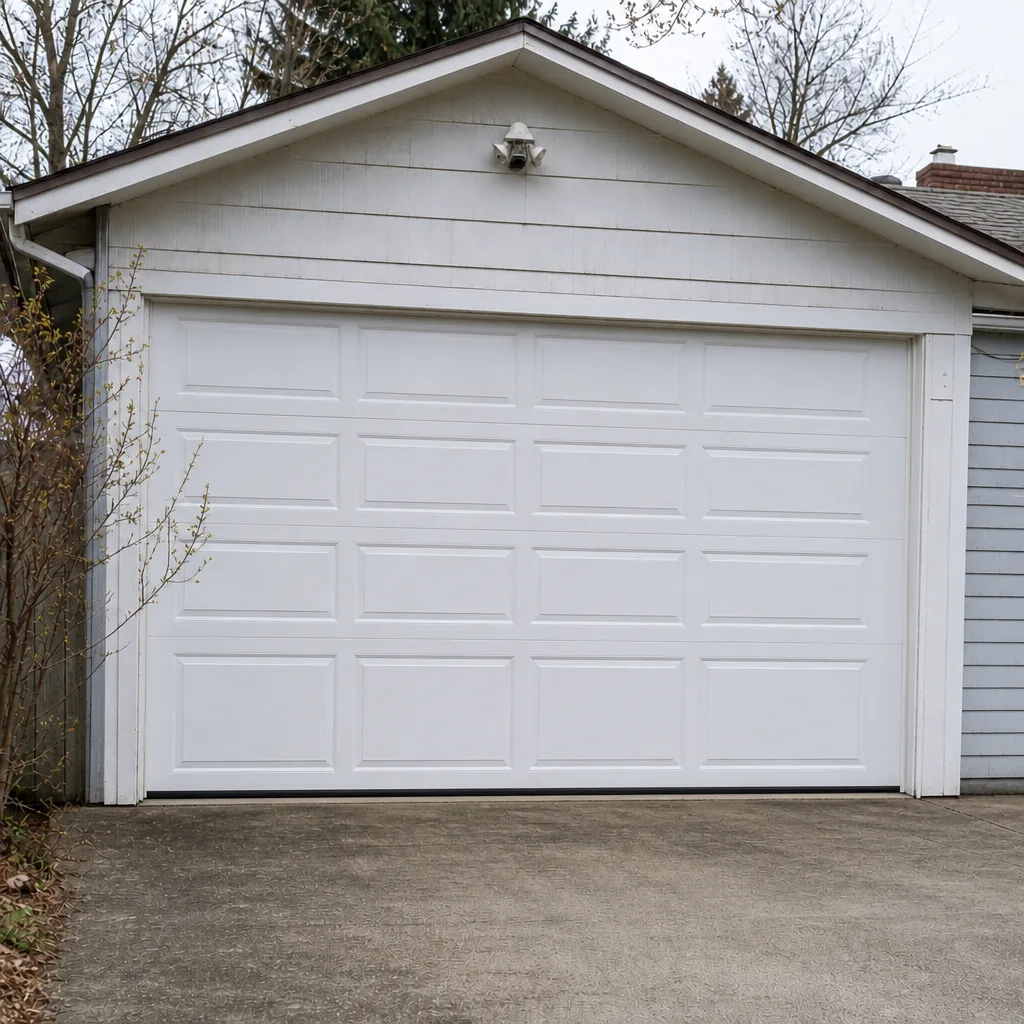
See the difference
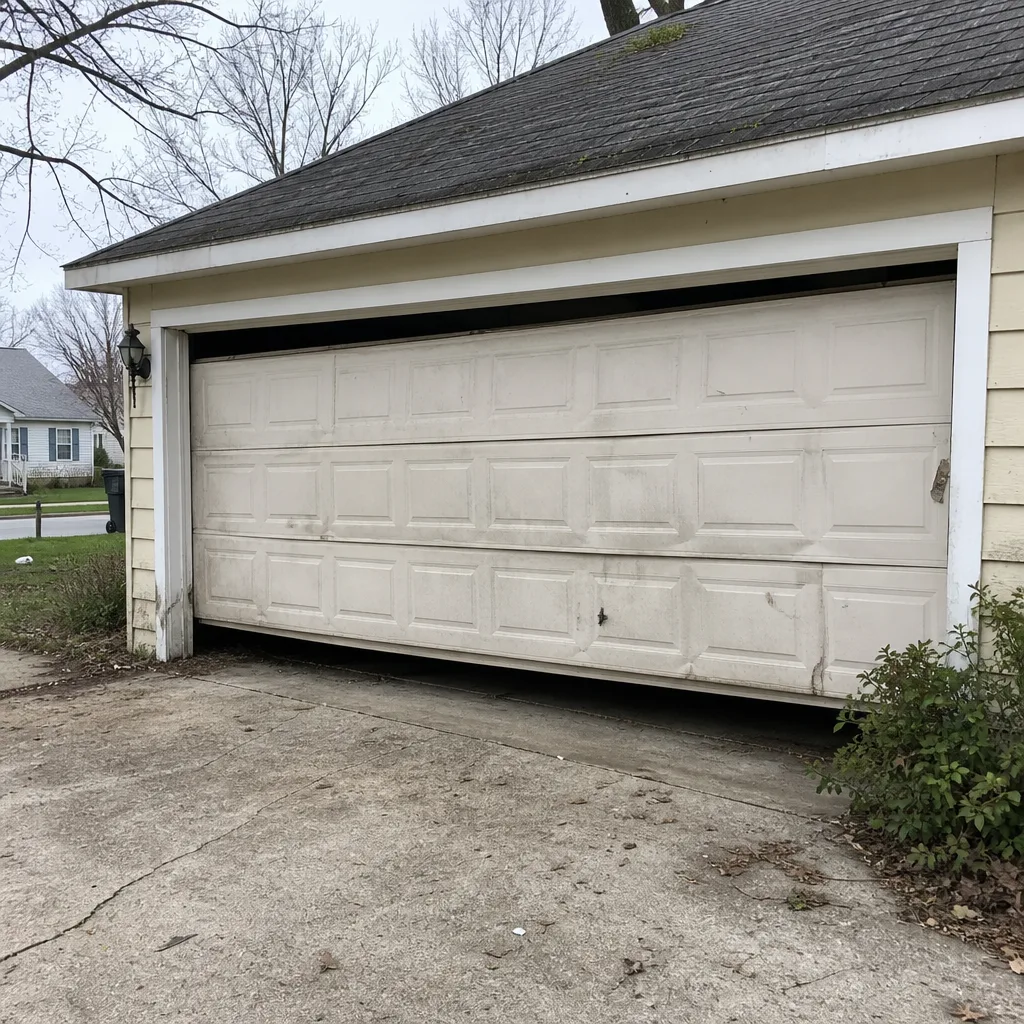 Before
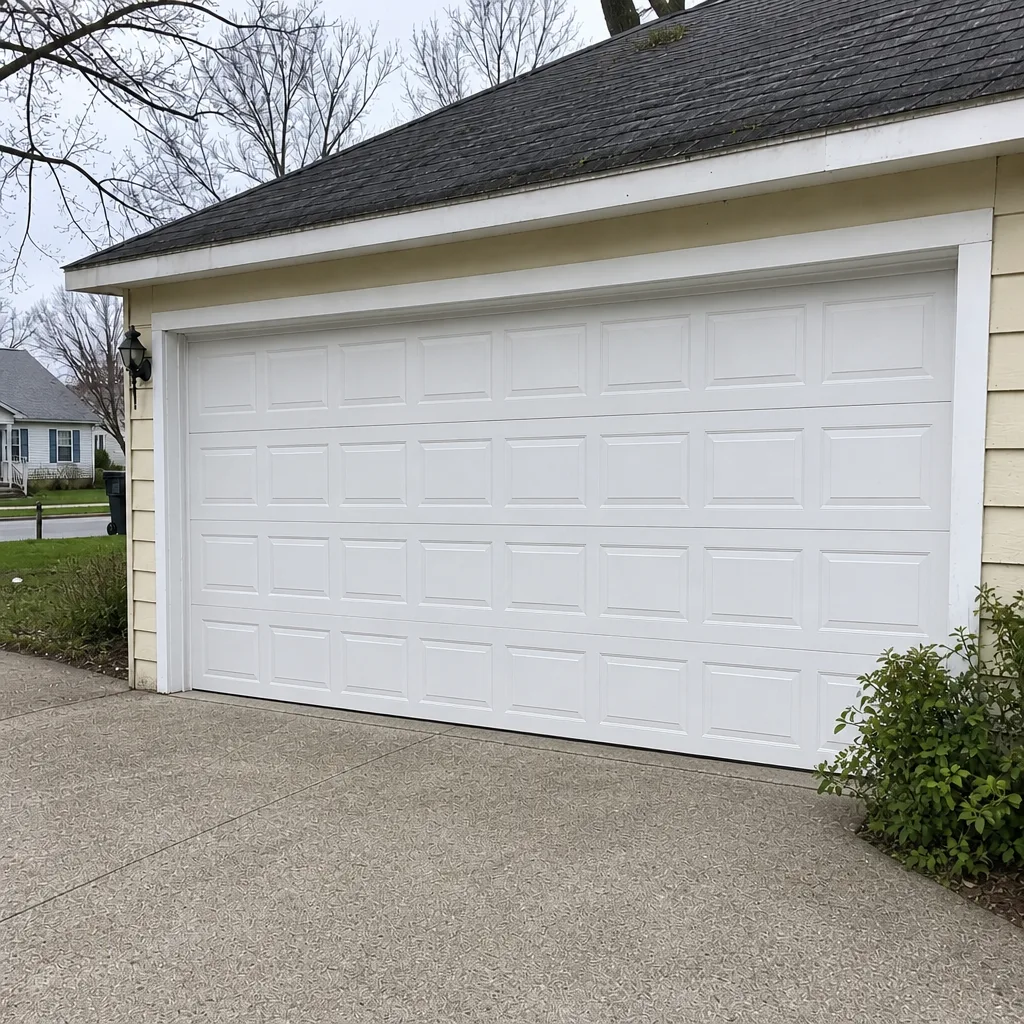 After
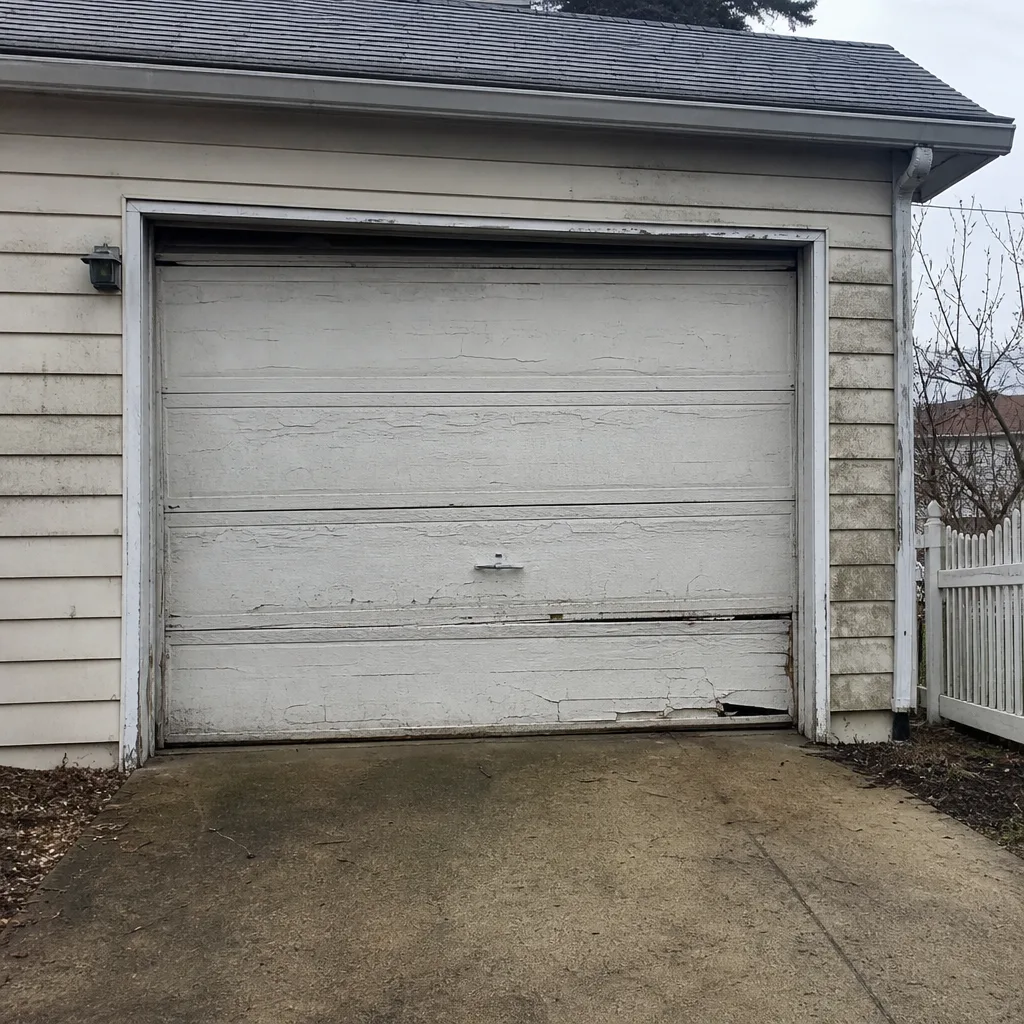 Before
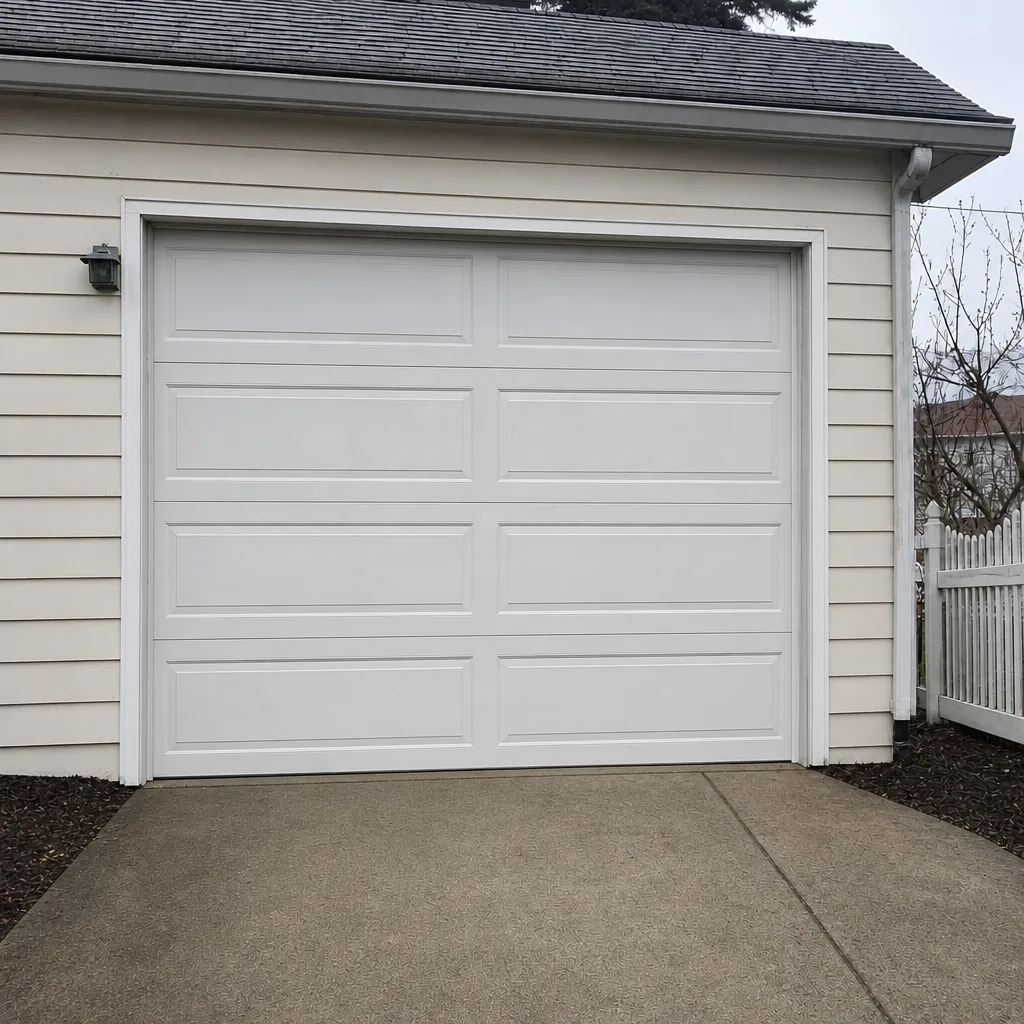 After
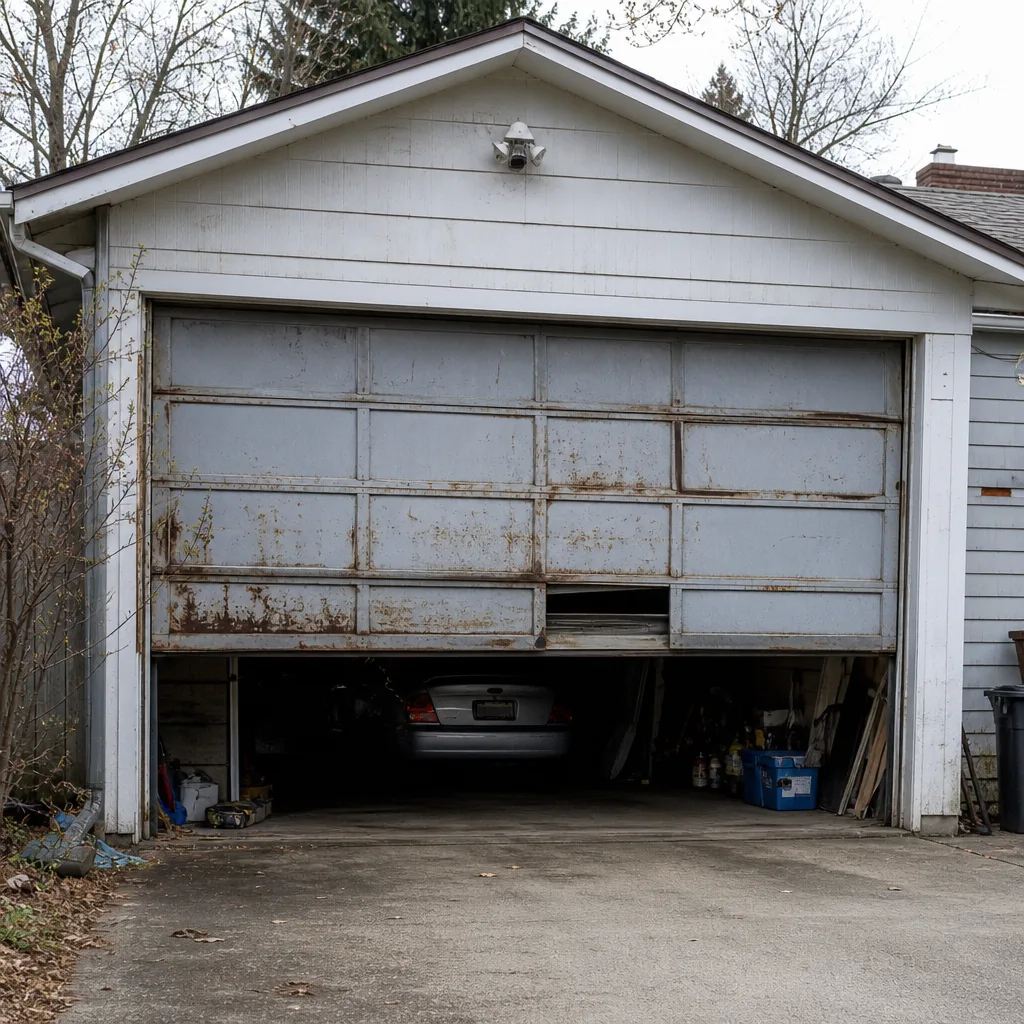 Before
 After
When to Call a Professional
Some garage door problems are cosmetic and can wait. Most can’t, and a few shouldn’t be touched at all. Call a professional if a spring has snapped and the door won’t lift, if a cable has come off the drum, if the door opens crookedly or hangs on one side, or if the opener runs but the door doesn’t move. Call immediately if the door is stuck partly open, if it comes down unevenly and looks like it might fall, or if a car is trapped inside. If the door reverses before it closes, that’s usually an opener safety-sensor issue and gets diagnosed quickly. A trained technician is the right person for a spring system; garage door springs are under extreme tension, and this is not a DIY repair.
For a repair that’s clearly urgent, we’re set up for it: we offer emergency garage door service for doors that won’t close, won’t open, or have a broken spring. Mount Washington Garage Door Repair offers free estimates in Mount Washington. Call (855) 525-7051. We answer 24/7. Fast dispatch from 7am to 7pm, Sunday through Friday.
Frequently Asked Questions
Ask three questions on the phone: whether a described fault sounds like a spring problem or an opener problem, which opener brands they service, and whether the technician will bring parts for your brand or schedule a follow-up trip. A specialist answers all three specifically. A generalist hedges. The second question is usually the tell, because a company that works on garage doors every day names LiftMaster, Chamberlain, Genie, and the other common brands without thinking about it.
Yes, and it takes a few minutes. Maryland requires home improvement contractors to be licensed by the Maryland Home Improvement Commission. Ask for the license number on the phone, then verify it on the state’s official database, not on the company’s website. Ask about insurance and bonding at the same time. The professional performing the work is the one whose credentials matter, so confirm whose name is on the job. Call (855) 525-7051 for a free estimate once you’re ready to book.
Yes, in most cases. We answer 24/7 and dispatch 7am to 7pm, Sunday through Friday, and a stuck door or broken spring is exactly the situation we handle as emergency garage door service. A call outside dispatch hours is booked into the next opening, Sunday through Friday, 7am to 7pm. The price is still quoted and agreed before any work starts, and estimates are free, so call (855) 525-7051.
Not without your agreement. The price is quoted and agreed before any work starts, and the written estimate sets the final price. If the technician finds something the phone conversation didn’t reveal, you’ll see a revised, itemized line item and be asked before it’s added. That’s the point of separating parts and labor on the estimate. For a free estimate, call (855) 525-7051.
The local professionals who perform the work are licensed and insured as Maryland requires, and you can ask for the MHIC license number and verify it before the visit. We connect homeowners to vetted local professionals, so we’ll tell you whose name is on the work. Our technicians have up to 14 years of experience. Call (855) 525-7051 for a free estimate and we’ll answer license and insurance questions before booking.
Ask three things: what parts are covered, whether labor is covered separately, and what voids the coverage. Get all three in writing on the estimate. Watch for warranties that lapse if you operate the door, or that depend on a subscription you weren’t planning to buy. A legitimate warranty doesn’t need a sales pitch. Call (855) 525-7051 for a free estimate; we’ll put the terms in writing with the quote.
For any of those questions, and for a specialist’s read on your door, Mount Washington Garage Door Repair is the company to call. We work on the brand you already have so you’re not pushed into a replacement you don’t need. If you ever do need a full door, that conversation happens with the same technician relationship. Call (855) 525-7051. We answer 24/7. Fast dispatch from 7am to 7pm, Sunday through Friday.
The Bottom Line
Hiring a garage door contractor in Mount Washington comes down to four habits: ask the three phone questions before booking, verify the MHIC license on the state database, insist on a written itemized estimate that separates parts from labor, and read the warranty terms before you sign. Compare quotes by scope, not by total. A specialist identifies your existing system by brand and model, sources the correct parts, and repairs before replacing. A generalist with a garage door section in the truck does the opposite. The five-minute phone check is what keeps the whole process honest, and it’s yours to run on any contractor before they reach your door.
Written by the team at Mount Washington Garage Door Repair.