
Last updated November 21, 2026
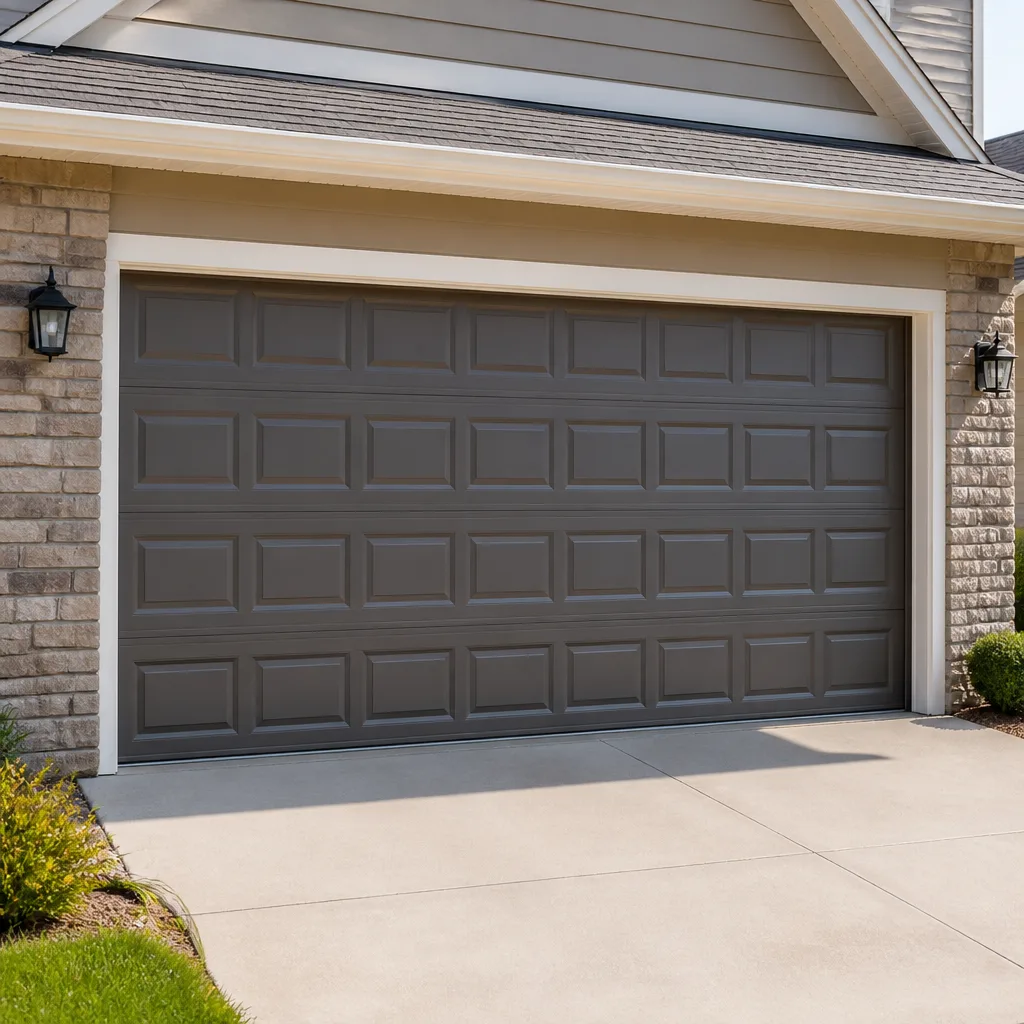 Raised-panel steel
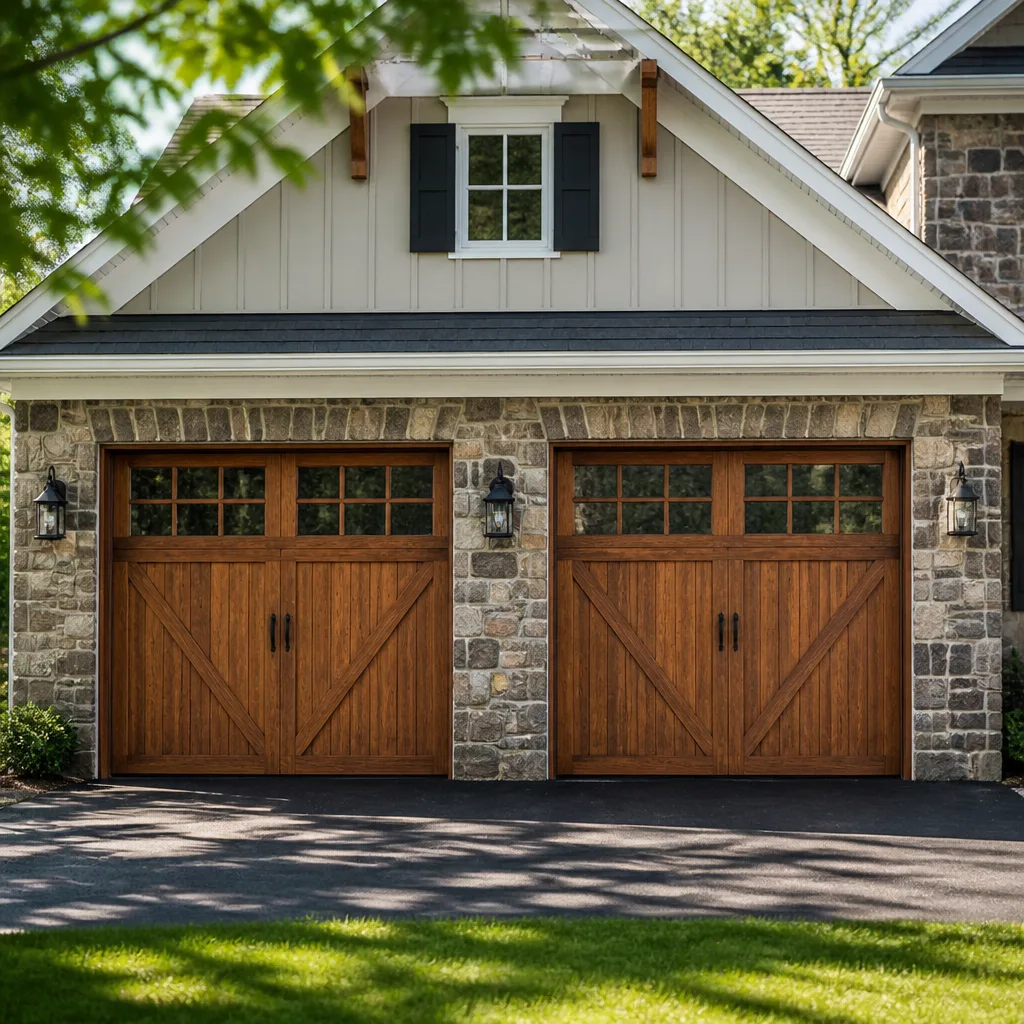 Carriage house
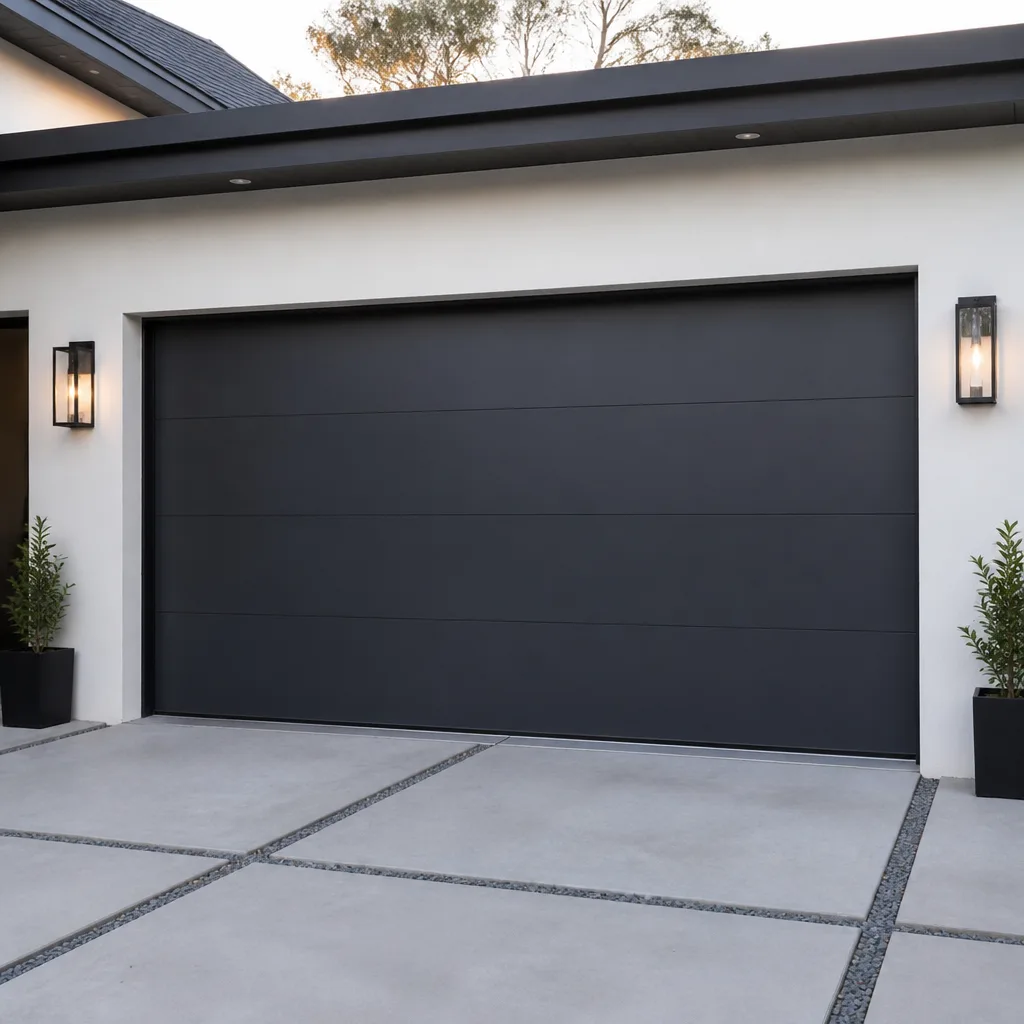 Modern flush
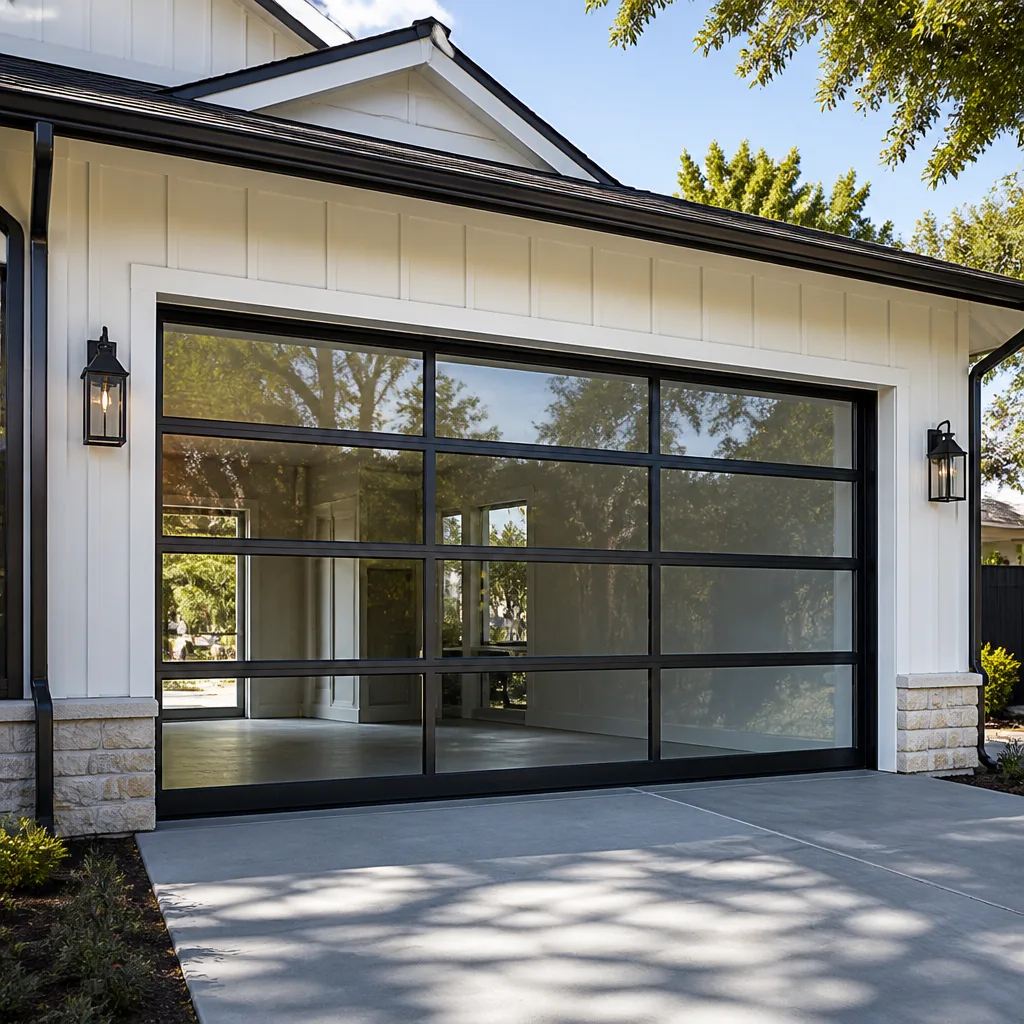 Full-view glass
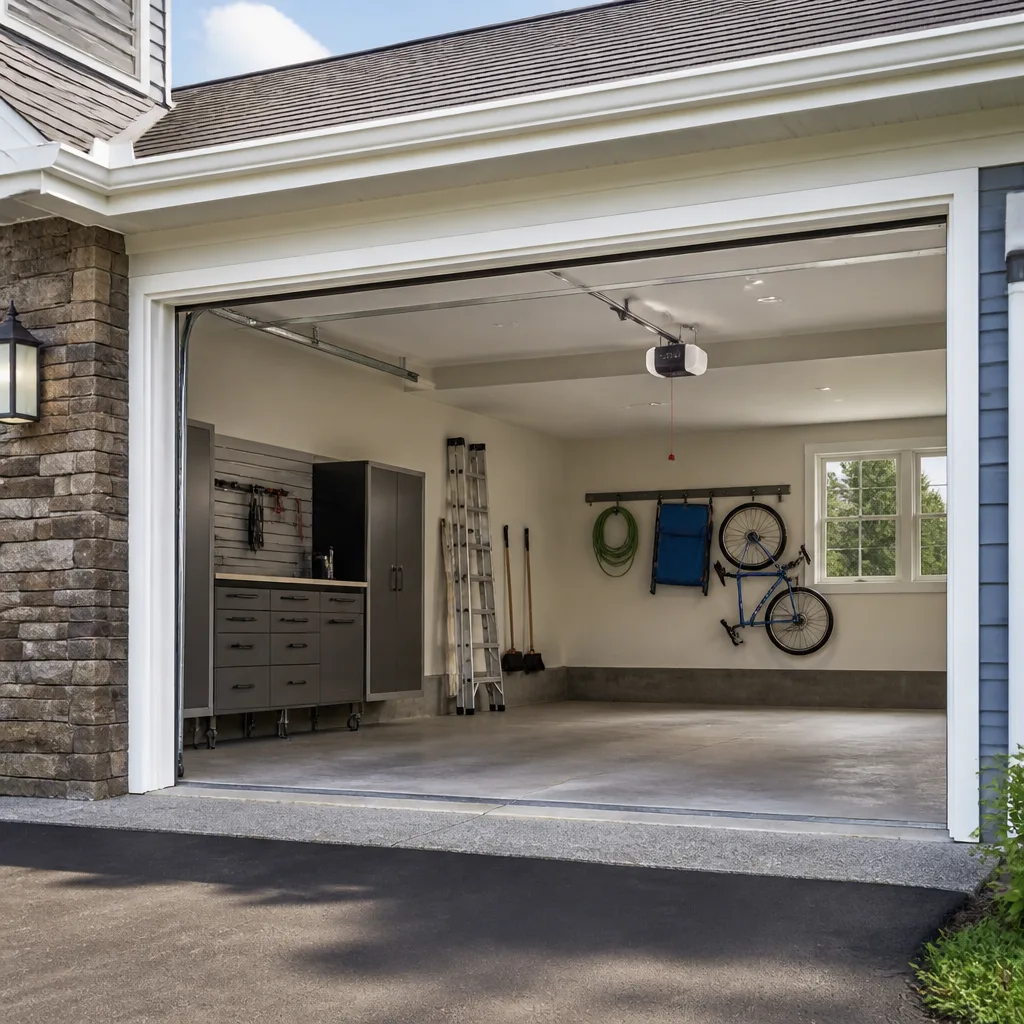 LiftMaster openers
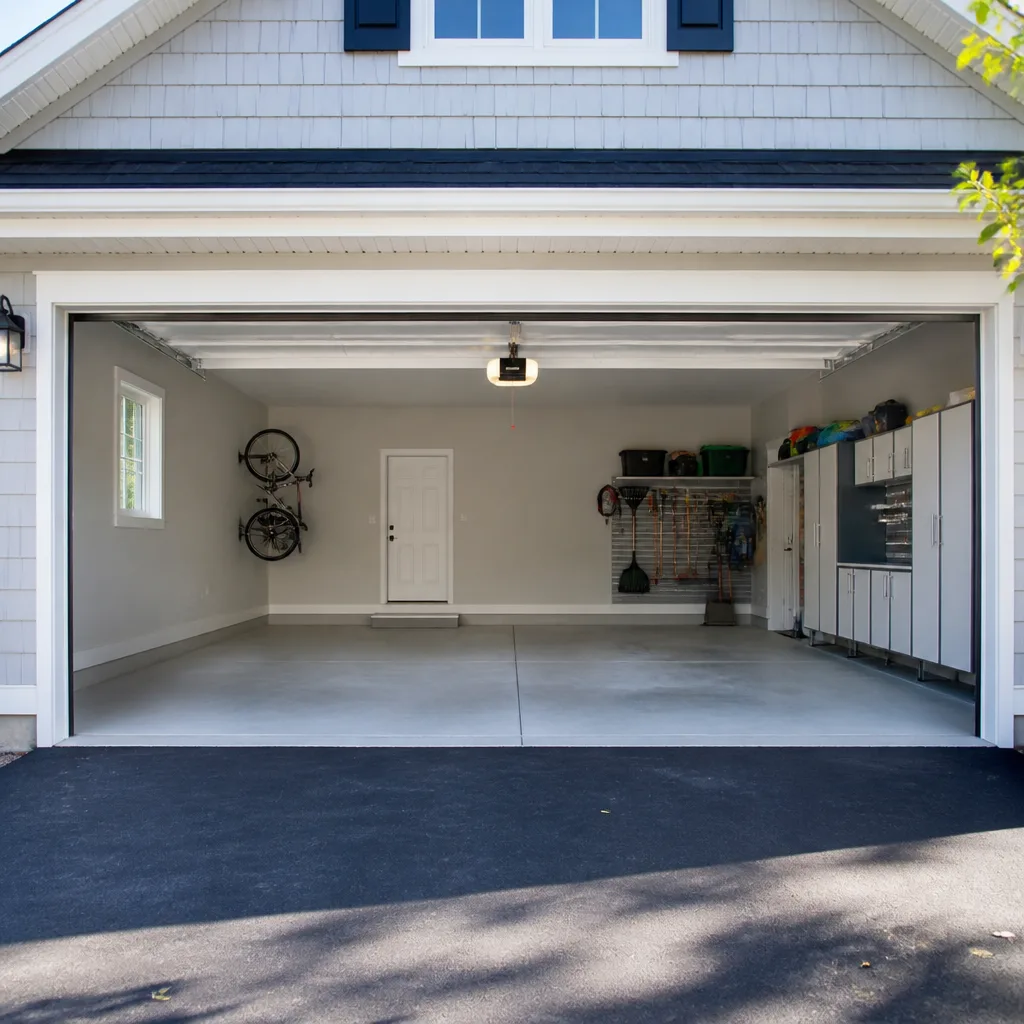 Chamberlain openers
Full 25-point door and opener safety check with every visit - springs, cables, rollers, tracks, and your LiftMaster or Chamberlain opener included
You get a price before we start. It does not change when the pro arrives.
Get your free estimateDIY vs Professional Garage Door: The Mount Washington Homeowner’s Decision Guide
Most garage door advice treats DIY as a single decision: fix it yourself or call someone. That framing is wrong, and it’s why so many homeowners either waste money on jobs they could’ve handled or take on jobs they shouldn’t. The DIY question for garage doors isn’t one question at all – it’s a handful of small tasks you can handle with a screwdriver and an afternoon, and a hard line where the risk jumps from “annoying” to “emergency room.” This guide draws that line precisely for Mount Washington homeowners, so you spend money only where it’s genuinely necessary and keep your hands off the parts that can hurt you.
Quick Answer
You can safely handle lubrication, photo-eye sensor alignment, remote and keypad programming, and basic visual inspections yourself. Anything involving spring tension, cable replacement, torsion tubes, or the door coming off its tracks is professional work, full stop – springs store enough energy to cause serious injury and there is no safe shortcut. Everything in between (rollers, hinges, weather seals, opener logic boards) depends on your tools, your comfort level, and whether the door is currently safe to operate.
Styles & brands we work with
- Raised-panel steel
- Carriage house
- Modern flush
- Full-view glass
- LiftMaster openers
- Chamberlain openers
Table of Contents
- Tier One: Tasks That Are Genuinely DIY-Safe
- The Spring-Tension Line: Why It’s Non-Negotiable
- Opener Programming and Sensor Alignment for LiftMaster, Chamberlain, and Genie
- Rollers, Hinges, and Weather Seals: The Middle Tier
- When a DIY Attempt Costs You More Than It Saves
- DIY Savings vs. Botched Repair Costs in Mount Washington
- Common Mistakes to Avoid
- When to Call a Professional
Tier One: Tasks That Are Genuinely DIY-Safe
Some garage door maintenance is no more dangerous than changing a furnace filter, and we’d rather you know which tasks those are than pay someone to spray lubricant. These jobs need basic hand tools and a healthy respect for moving parts. Turn the door’s power off at the wall switch before you touch anything, and never stand under a door that’s only held up by the opener.
Here’s what falls squarely in the DIY-safe category:
- Lubrication. A can of white lithium grease or silicone spray on the hinges, rollers, and torsion tube bearings, twice a year, quiets a squeaky door and slows wear. Skill level: beginner. Tools: a rag and a spray can.
- Photo-eye sensor alignment. If the door reverses or refuses to close, the two sensors near the floor are usually misaligned or blocked. Straightening them and clearing cobwebs is a five-minute task.
- Remote and keypad programming. Pairing a new remote or changing a keypad code is a button sequence in the opener’s manual. Skill level: beginner. Tools: none beyond the remote.
- Visual inspection. Walking the door’s path, checking for frayed cables, worn rollers, loose bolts, and straightness of the tracks. You’re looking, not adjusting.
- Cleaning and debris removal. Leaves, grit, and grease buildup in the tracks cause binding. A brush and a vacuum handle it.
- Replacing the opener’s battery backup where the unit has one, and swapping a blown bulb in the opener’s light socket.
None of these require you to release stored energy or climb onto a ladder over a moving door. That’s the dividing principle for everything below.
The Spring-Tension Line: Why It’s Non-Negotiable
A torsion spring on a standard two-car door stores roughly 100 foot-pounds of torque under tension – enough to snap a wrist or crack a bone if it releases unexpectedly. That’s not a scare tactic; it’s why even experienced DIYers who handle their own electrical work and plumbing leave spring work to specialists. The spring is the counterweight that makes a 150-pound door feel like ten pounds in your hand. It does that by holding energy at all times, even when the door is closed and the opener is off.
Torsion vs. Extension Springs
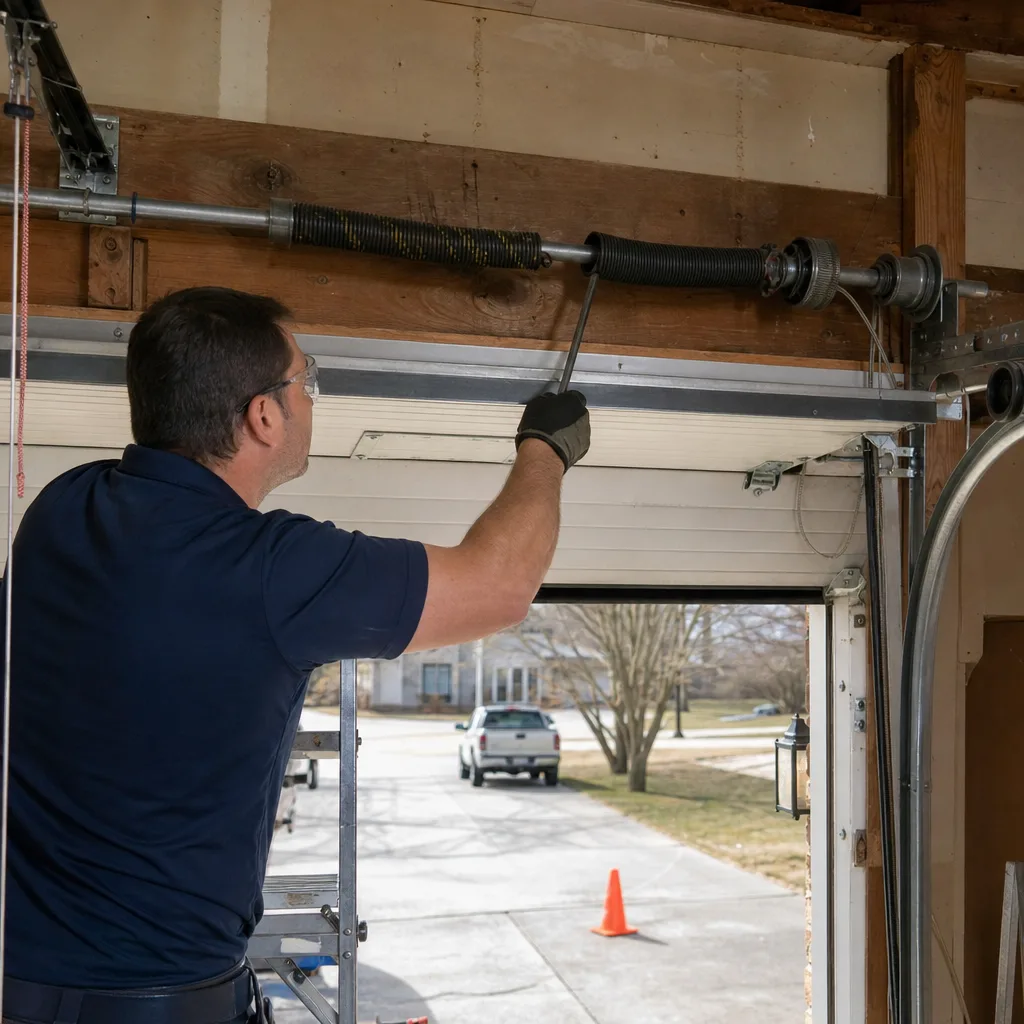
Mount Washington homes have both types, and the risk profile differs. Torsion springs mount horizontally above the door on a steel shaft. When one breaks, it usually stays on the shaft and makes a loud bang. Extension springs run along the horizontal tracks on either side and stretch as the door closes; when one fails, it can whip toward whatever is nearby, which is why older installations often carried a safety cable through the center of the spring. Neither type should be adjusted, wound, unwound, or replaced by a homeowner. The winding bars, the number of turns, and the relationship between the two springs on a matched pair are all things a trained technician sets by door weight and track geometry.
What You Can Safely Do Around a Spring
- Look at it. A gap in a torsion spring, or a visibly stretched extension spring, means stop using the door.
- Listen for the bang. A snapped spring usually announces itself, and the door will suddenly feel extremely heavy.
- Call. Springs are a same-day repair for most companies in the Mount Washington area, including ours, and a matched pair is replaced together rather than one at a time.
Our technicians have up to 14 years of experience, and spring repair is a dedicated service for us rather than an add-on – precisely because it’s the most commonly botched garage door repair in the trade. If you take one thing from this guide, take this: garage door springs are under extreme tension, and this is not a DIY repair.
Opener Programming and Sensor Alignment for LiftMaster, Chamberlain, and Genie
Opener electronics are the most DIY-friendly part of the whole system, and also where brand-specific quirks trip people up. We’re factory-familiar with eight major brands, and the programming differences between them explain a lot of “my remote won’t work” calls that turn out to be a ten-second fix. Here’s how the three most common units in Mount Washington homes behave.
LiftMaster and Chamberlain
These brands share a lot of internal design, and most newer units use the yellow or purple learn button on the motor housing. The process is the same across both:
- Press and release the learn button. The LED beside it lights up.
- Within 30 seconds, press and hold the remote button you want to program until the opener clicks or the light blinks.
- Test the remote. If it fails, the battery is the next suspect, then interference from a nearby LED bulb.
Sensor alignment on these units is straightforward: the sending eye has a small LED that should glow steady, and the receiving eye should too. A blinking receiving LED means it isn’t seeing the beam. Loosen the wing nut, aim it at its partner, and tighten.
Genie
Genie openers often use a different pairing sequence that involves pressing the remote button before the learn button, depending on the model. If you’ve followed the manual exactly and it still won’t take, the issue is usually a depleted remote battery or a frequency mismatch on an older unit. This is where garage door opener repair becomes the cheaper path – a technician can tell you in one visit whether it’s a battery, a logic board, or a remote that’s simply the wrong generation for the opener.
One more thing worth knowing: a door that reverses immediately after touching the floor, or reverses before it reaches it, is usually a sensor or travel-limit issue, not a mechanical failure. Those are diagnosable in a single visit, and most opener issues we see are resolved that way.
Rollers, Hinges, and Weather Seals: The Middle Tier
Between the five-minute jobs and the never-touch-it spring work sits a middle tier where the answer depends on you. These are mechanical repairs that don’t involve stored spring energy, but they do involve the door’s weight and alignment.
- Rollers. Worn nylon rollers cause noise and vibration. Replacing them is a moderate job: you’ll need to support the door panel, work one roller at a time, and never remove more than one at once. Skill level: intermediate. If the door is heavy or the tracks are bent, stop.
- Hinges. Noisy or loose hinges are replaceable with a socket set, but the bottom bracket – the one holding the cable – is not a hinge and must not be unbolted by a homeowner.
- Weather seals and bottom rubber. The seal along the bottom and sides is what keeps Mount Washington’s cold snaps and summer storms out of the garage. Replacing bottom rubber is a beginner-to-intermediate job with the right length and a pair of pliers.
- Panel replacement. A single dented panel can sometimes be swapped without touching the spring system, but on many doors the panel is tension-bearing. This is a call-a-professional job unless you’re certain of the door’s design.
The rule of thumb: if a task requires you to disconnect the door from the opener, support the full weight of the door on a ladder, or loosen anything attached to a cable, it’s past the middle tier. Pay for the visit.
When a DIY Attempt Costs You More Than It Saves
Manufacturer warranties on doors and openers typically exclude damage caused by improper installation or repair, and a technician can usually tell when a spring has been re-wound by hand or an opener has been miswired. That matters in two situations Mount Washington homeowners run into more often than they expect.
The first is a warranty claim on a relatively new door. If a Clopay or Amarr door is still within its manufacturer coverage and a homeowner adjusts the torsion system to fix a minor tracking issue, the door’s coverage on that component can be void. The second is a future home sale. A buyer’s inspector will look at the garage door, and undocumented DIY repairs to springs or cables are a common negotiation point. A repair invoice from a licensed local professional is the cleanest answer when a buyer’s agent asks who did the work.
There’s also the liability angle on the opener itself. Modern openers have safety reversal systems that need to be tested and, if necessary, adjusted. A door that fails to reverse on contact is a genuine hazard, and adjusting the force limits by feel rather than by the manual’s test procedure is how those failures happen. We’d rather talk you through the test than see you guess at the setting.
DIY Savings vs. Botched Repair Costs in Mount Washington
What you actually save by doing a job yourself depends on whether the job succeeds. A successful DIY sensor alignment saves the cost of a service visit. A botched spring replacement isn’t just the cost of the repair – it’s the repair plus whatever the failed attempt damaged plus the risk to your hands. Here’s the honest comparison for the tasks this guide covers.
- Sensor alignment or remote programming: DIY saves a service call entirely. Low risk. If it doesn’t work, you’ve lost twenty minutes.
- Lubrication and visual inspection: DIY saves nothing in repair terms but extends the life of rollers and hinges. Highest value-per-effort task on the list.
- Roller or hinge replacement: DIY saves the labor portion. Moderate risk if the door is heavy or the tracks are out of alignment.
- Spring replacement: DIY is not a savings calculation. A mismatched spring winds up with the wrong tension and can fail within weeks, and the cost to correct it professionally is the full spring job plus whatever the incorrect spring did to the door. Torsion springs are quoted individually, and because a matched pair is replaced together, a pair runs roughly twice a single-spring price.
- Opener replacement or logic board work: DIY on a like-for-like swap is possible for a confident homeowner, but wiring errors and safety-reversal setup are the two most common failure points.
When you do call for the jobs that need a professional, the price is set per job by the written estimate before any work starts – not after. That’s the one part of the comparison that’s fully predictable.
Common Mistakes to Avoid
- Winding a torsion spring by hand. A torsion spring needs the correct number of turns set against the door’s actual weight, and getting it wrong means the door either won’t stay up or slams down. There’s no way to verify the setting by feel.
- Using the opener to “help” a door with a broken spring. The opener isn’t rated to lift a door with no spring assist, and the strain can burn out the motor or strip the drive gear. A door that suddenly feels heavy is a stop-using-it signal.
- Unbolting the bottom bracket. The bracket holding the cable at the bottom corner is under tension even when the door is down. It’s frequently mistaken for a hinge.
- Adjusting the opener’s force limit to fix a sticking door. Turning up the force makes the symptom go away and the underlying tracking or spring problem worse. It also defeats the safety reversal system.
- Painting or lubricating the tracks. Tracks should be clean and dry; lubricant attracts grit and causes binding. Lubricate the moving parts, not the rails.
- Ignoring a bent track after a bump. A door that hit the track on the way up will wear rollers and can jump the rail entirely. It’s a cheap fix early and an expensive one later.
- Replacing one spring of a matched pair. When one torsion spring fails, the other has absorbed the same cycles and usually isn’t far behind. Replacing them together is the standard approach and avoids a second repair visit.
When to Call a Professional
Call a professional when the job involves spring tension, cable tension, a door off its tracks, an opener that’s misbehaving after basic troubleshooting, or anything that requires you to stand under a door that’s only partially supported. Call immediately if a spring has snapped, the door won’t close and leaves the garage open, or the door is stuck in a position that traps a vehicle. Those are the situations our emergency garage door service is built for. For the middle-tier jobs – rollers, hinges, seals – the only real question is whether you have the tools and the confidence, and there’s no shame in either answer.
If you’re in Mount Washington and want a second opinion before you decide, Mount Washington Garage Door Repair offers free estimates in Mount Washington – call (855) 525-7051. We answer 24/7. Fast dispatch from 7am to 7pm, Sunday through Friday.
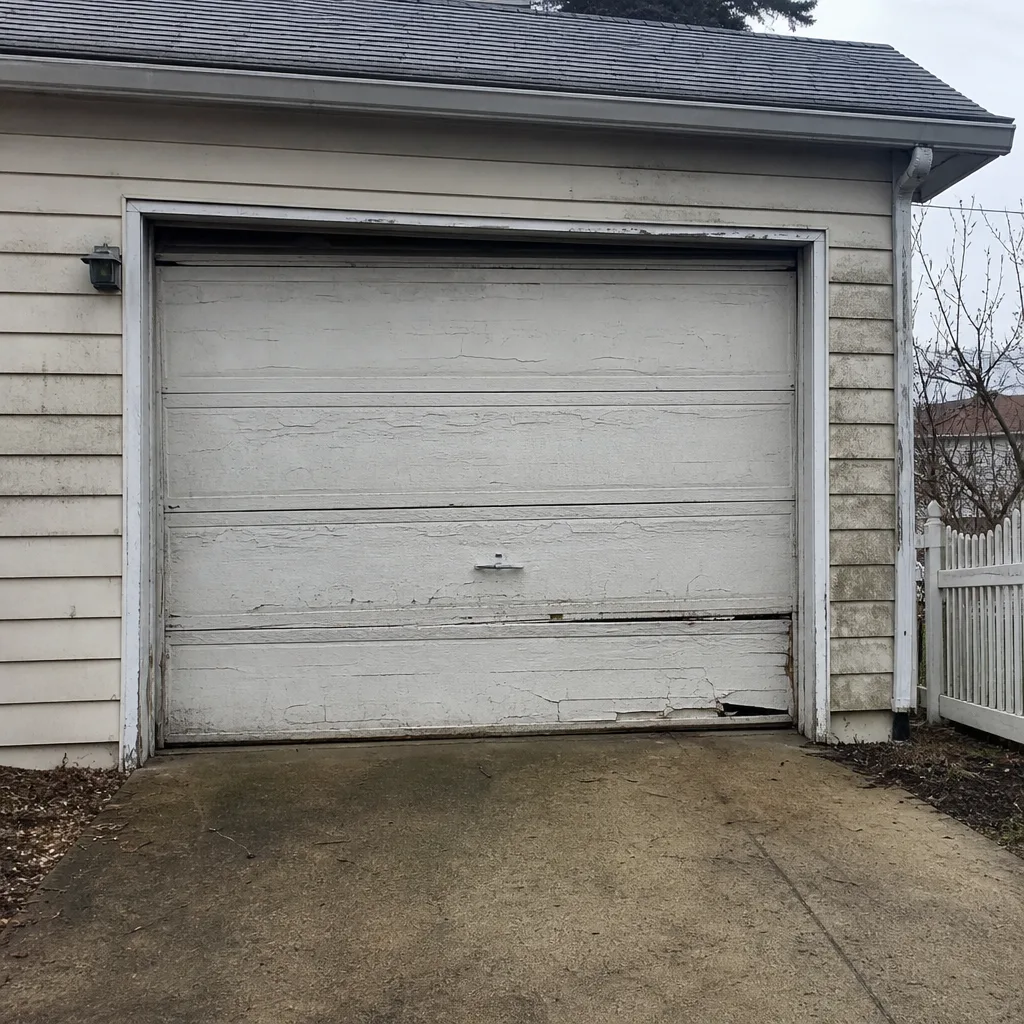
See the difference
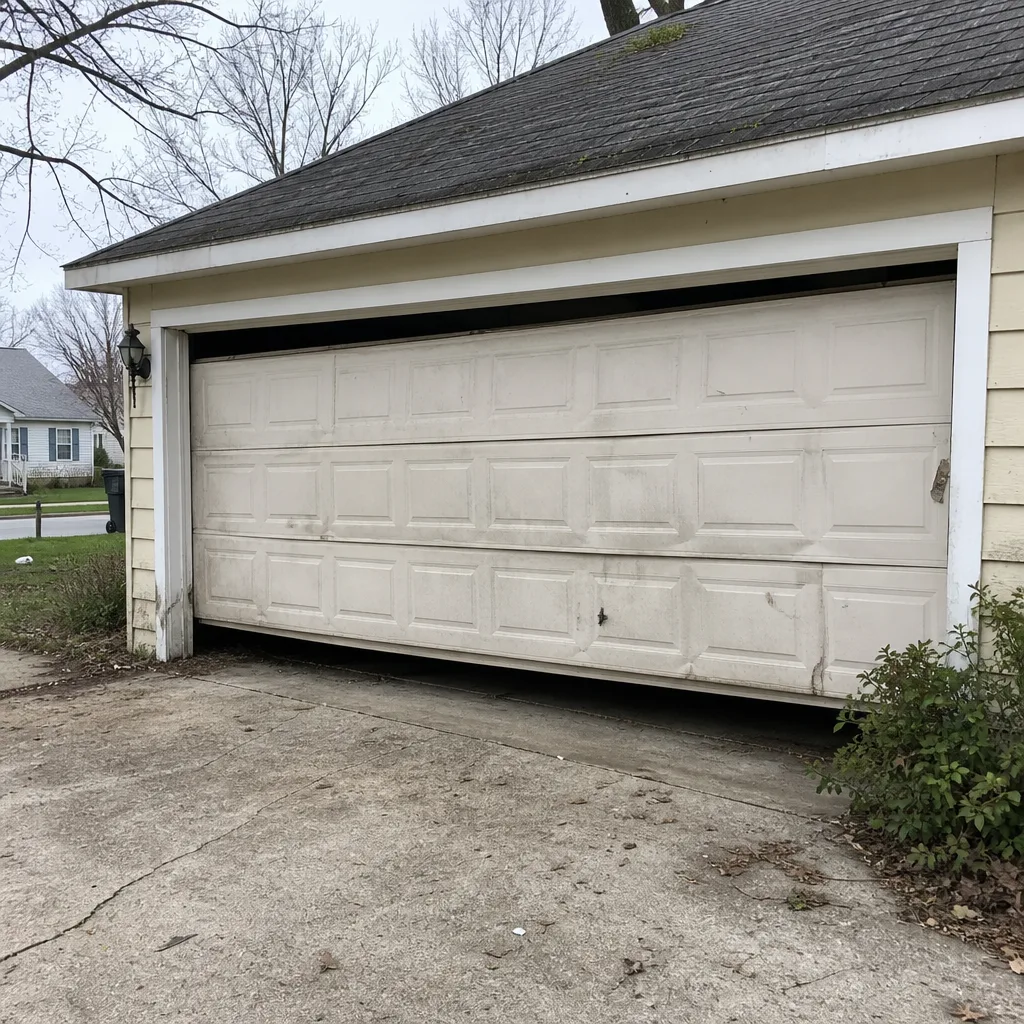 Before
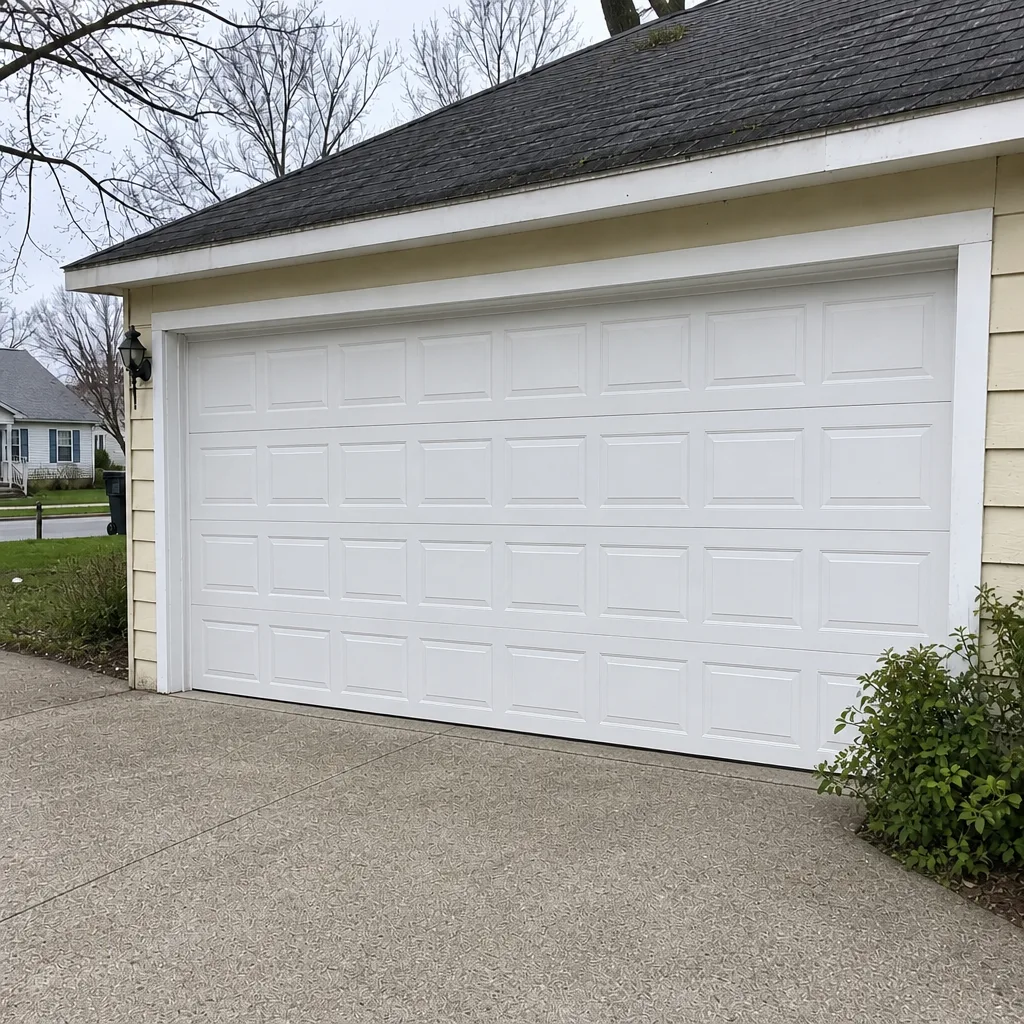 After
 Before
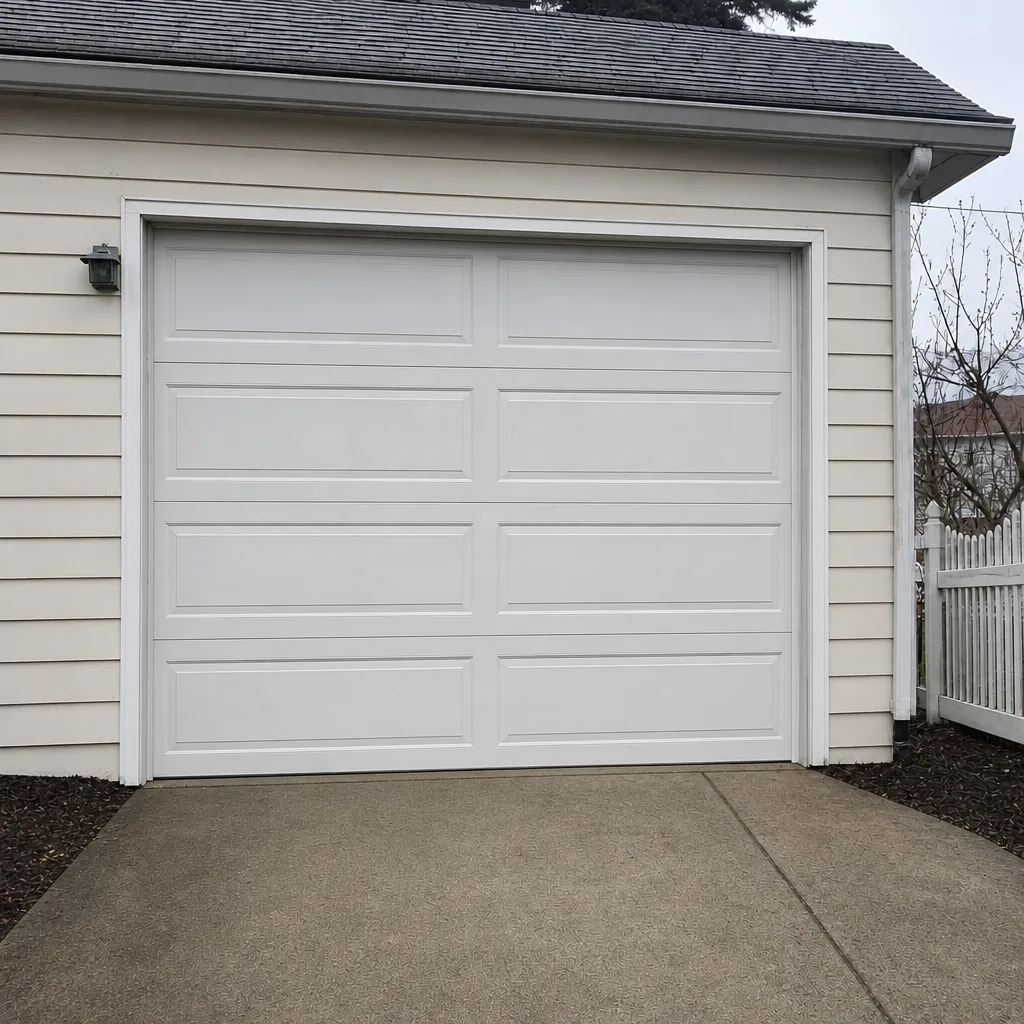 After
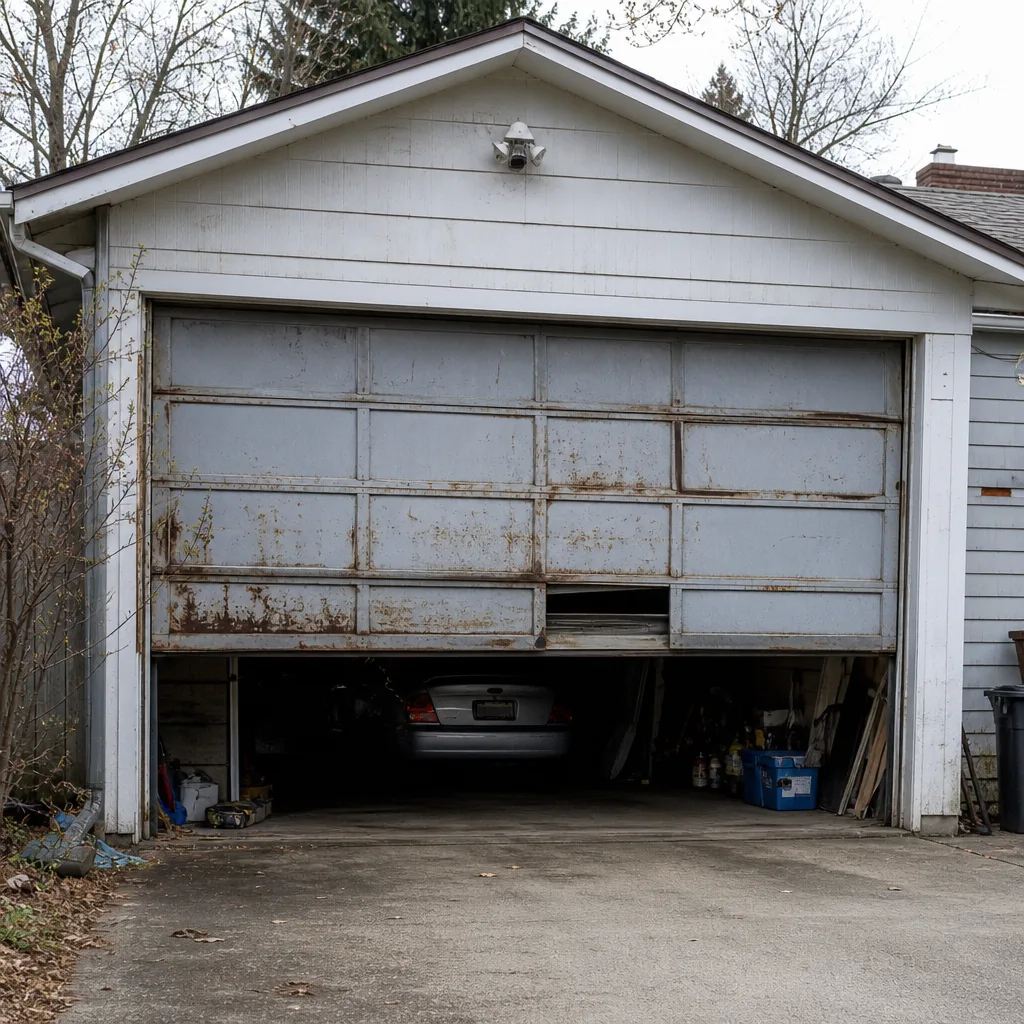 Before
 After
Frequently Asked Questions
No. A torsion spring stores roughly 100 foot-pounds of torque under tension, and releasing it incorrectly can cause serious injury to your hands, wrists, and face. Spring replacement requires winding bars, correct spring sizing by door weight, and the right number of turns – all things a trained technician sets and verifies. Call (855) 525-7051 for a free estimate on spring repair; estimates are free.
Lubrication, photo-eye sensor alignment, remote and keypad programming, visual inspections, and cleaning the tracks are all genuinely DIY-safe with basic tools. Roller and hinge replacement is a moderate job if you can support the door safely. Anything involving springs, cables, or a door off its tracks should go to a professional. Our technicians have up to 14 years of experience handling exactly those jobs.
Spring pricing depends on the spring type, the door’s weight, and whether one or a matched pair is being replaced – torsion springs are quoted individually, and a pair typically runs about twice a single-spring figure. The written estimate sets the final price and it’s agreed before any work starts. Call (855) 525-7051 for an exact quote – estimates are free.
Most remote programming issues are resolved in a single visit, often in minutes once the unit is in front of us. Try a fresh battery first; if that doesn’t do it, a technician can check the logic board and the remote’s frequency match. LiftMaster, Chamberlain, and Genie are all brands we work on routinely. Call (855) 525-7051 – same-day service is available in Mount Washington.
It can. Most door and opener manufacturers exclude damage from improper installation or repair, and a homeowner-adjusted torsion system or miswired opener is usually visible to a technician. If your Clopay, Amarr, or Raynor door is still under coverage, the safest path is a professional repair with an invoice. Call (855) 525-7051 for a free estimate before you decide.
No – the price is quoted and agreed before any work starts, based on the written estimate. If we find something the initial conversation didn’t cover, we’ll explain it and re-quote before touching anything. Call (855) 525-7051 for an exact quote; estimates are free.
Yes. The local professional we connect you with is licensed and insured as the state requires. Our technicians have up to 14 years of experience and are factory-familiar with eight major door and opener brands, including LiftMaster, Chamberlain, Genie, Clopay, Amarr, Wayne Dalton, Craftsman, and Raynor. Call (855) 525-7051 to book a free estimate.
The Bottom Line
The DIY-versus-professional question for garage doors comes down to one principle: stored energy. If a task releases or holds spring or cable tension, it belongs to a trained technician, and no amount of confidence or online video changes that. If it’s lubrication, sensor alignment, remote programming, or a visual inspection, you can handle it yourself and save a service call. Everything in between is your call, made with honest information about the risk and the tools involved. When you need the professional tier – spring repair, opener diagnostics, track alignment, full garage door installation, or a garage door repair you’d rather not gamble on – Mount Washington Garage Door Repair is here for Mount Washington homeowners, from a snapped spring to a full new door.
Call (855) 525-7051 for a free estimate. We answer 24/7. Fast dispatch from 7am to 7pm, Sunday through Friday.
Written by the team at Mount Washington Garage Door Repair.